Museum & Heritage Case study
Environmental and structural monitoring at Canterbury Cathedral
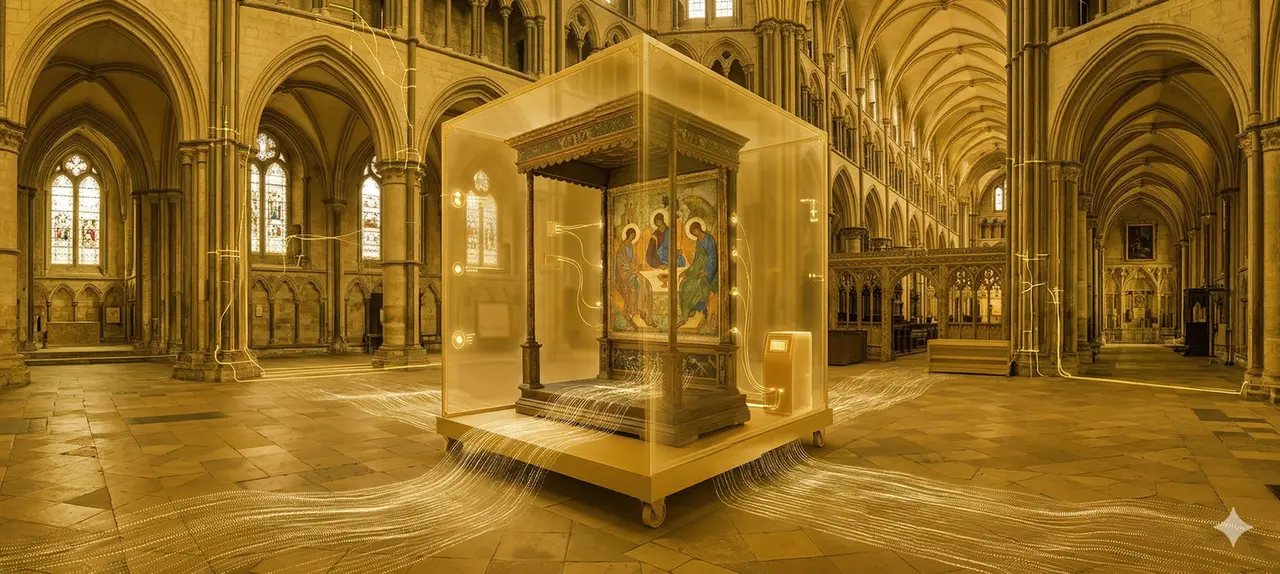
Since 2007 the Eltek wireless telemetry system has grown with Canterbury Cathedral, from a single painted panel to a site-wide network of roughly 70 transmitters and 200 channels of continuous data logging, proving the flexibility, ruggedness and reliability of the range across one of Britain’s most complex historic sites.
2007
Monitoring since
~70
Wireless transmitters
200
Channels of data
UNESCO
World Heritage Site
A living, complex site
Canterbury Cathedral is the Mother Church of the worldwide Anglican Communion and a UNESCO World Heritage Site since 1988, in continuous use since the 7th century. Understanding the micro-climates within and around the building, and changes in the fabric itself, is crucial to caring for the structure, its collections and its visitors.
Eltek works in close co-operation with Tobit Curteis Associates, a practice specialising in the investigation, monitoring and control of environmental deterioration in historic buildings and the conservation of wall paintings.
From one painting to the whole cathedral
Monitoring began at the Black Prince’s Tester, a painted image of the Holy Trinity exposed to high light levels and a heating-driven temperature gradient, using visible and UV light, crack, surface/ambient/radiant temperature, humidity and local-weather sensors.
Repeaters then extended radio coverage to libraries, archives and heavily built strong rooms, then to the stained glass (with sensors developed to measure surface wetness and airflow) and to structural monitoring: crack and joint movement, inclinometers measuring wind loading and the ringing of the Bell Harry bells, and piezo bore-hole sensors tracking the water table.
One application, one picture
All of it flows into Darca Heritage software, which calculates derived parameters such as absolute humidity and dewpoint and divides the site into zones for each user group, so every specialist immediately sees the conditions most relevant to their work.
The result is a single, site-wide data logging record, from the crypt to the bell tower, delivered over a wireless telemetry network that required no invasive cabling through the cathedral's ancient fabric.
The platform
The Darca solutions behind it
One connected platform, Collect, Connect and Command, configured for this application.
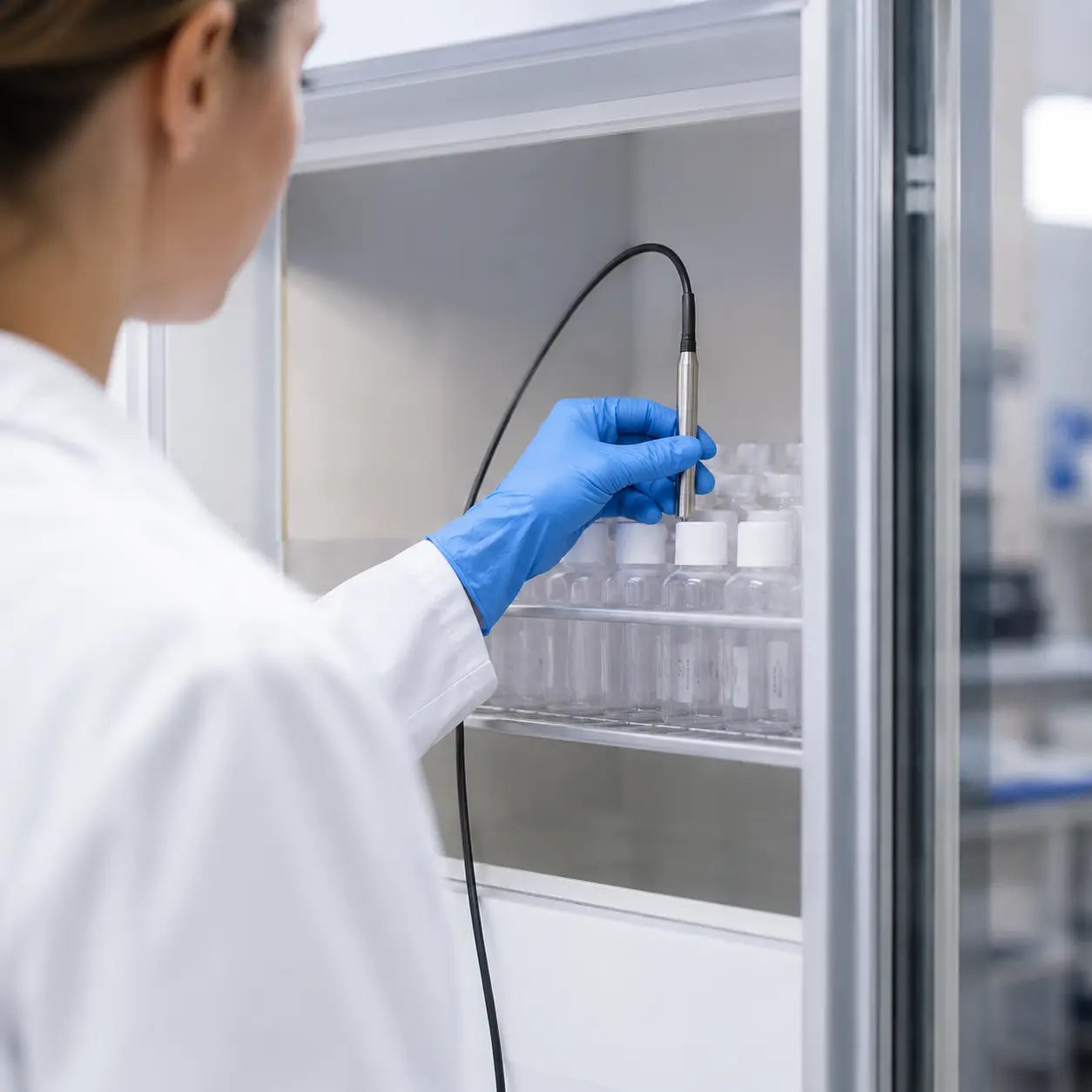
Darca Collect
Light, RH/T, crack, inclinometer and bore-hole sensors, extended across the site with repeaters, placed without invasive cabling through historic fabric.
Explore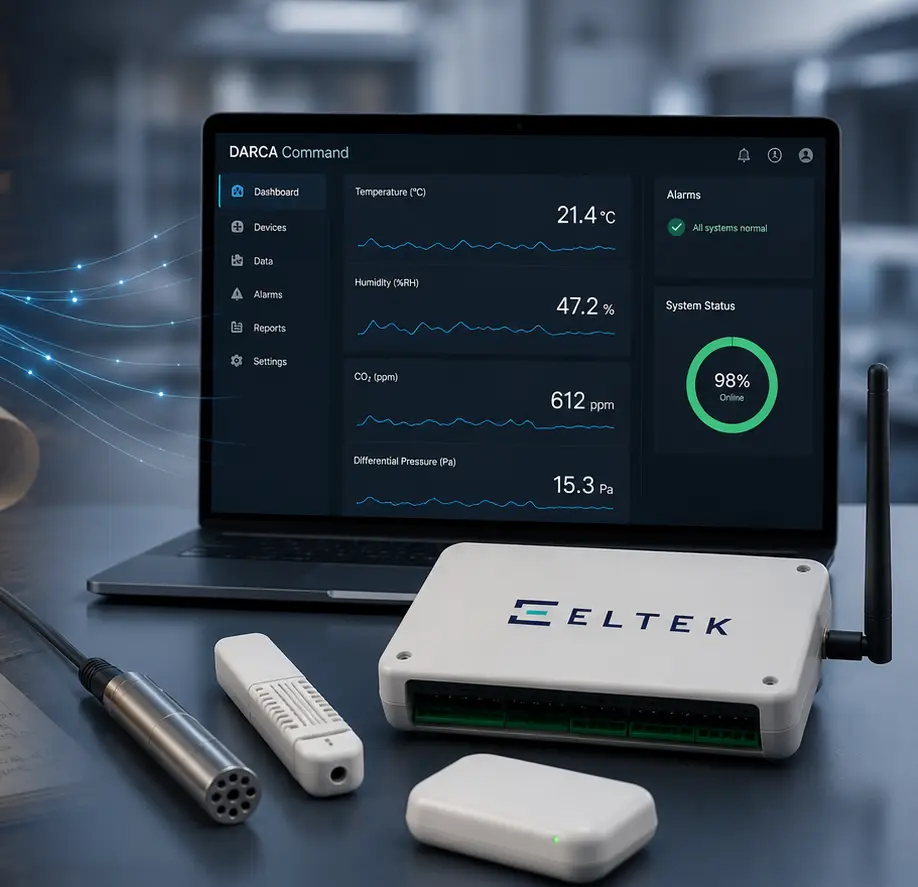
Darca Command
Darca Heritage divides the cathedral into zones and derives absolute humidity and dewpoint for conservation decisions.
Explore