
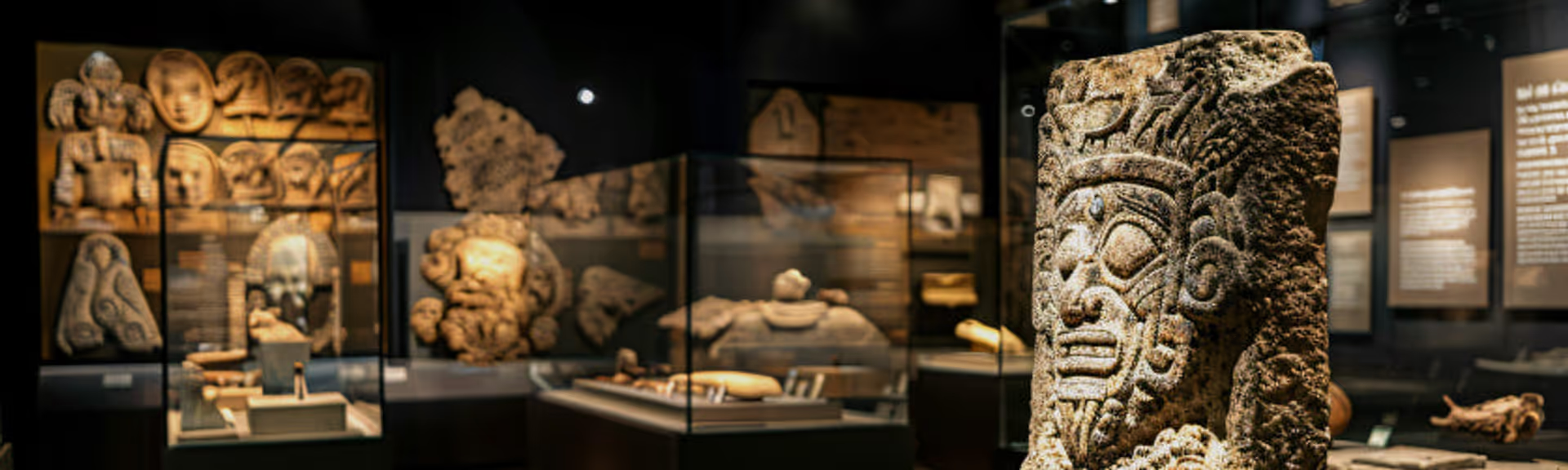
Museums & Heritage
Protect collections for future generations
Continuous environmental monitoring for museums, galleries, archives and historic buildings, helping you preserve collections, understand changing conditions and make confident conservation decisions.
Trusted by Canterbury Cathedral, the Natural History Museum, Westminster Abbey, the RAF Museum and more.
Museums, galleries, cathedrals and archives that trust Eltek










Why Eltek
Monitoring built for galleries, archives and historic interiors
From museums and galleries to archives, libraries and historic buildings, Eltek helps preserve irreplaceable collections by monitoring temperature, humidity, light and environmental conditions in real time. Wired or wireless, the same connected solution scales from a single display case to a cathedral, and has been trusted by leading heritage organisations for over 40 years.
Museum and heritage collections are protected by holding temperature and relative humidity stable within collection-appropriate ranges, and by catching harmful drift early before it damages fragile fabric or objects. Eltek does this with continuous, wireless environmental monitoring across a building, alerting conservation teams to changing conditions long before an irreplaceable collection is at risk.
Conservation teams at named UK institutions rely on Eltek monitoring, including St Paul’s Cathedral, Canterbury Cathedral, the Natural History Museum and the RAF Museum. Four decades of UK monitoring engineering, since 1985, sits behind every deployment.
What is a museum data logger, and how does it protect a collection?
A museum data logger is a wireless sensor that monitors temperature, relative humidity and light levels continuously inside galleries, stores and historic interiors. Eltek’s battery-powered GenII transmitters require no cabling through listed fabric and deliver time-stamped, audit-ready records so conservators can evidence conditions, respond to alarms, and act before environment-driven damage occurs.
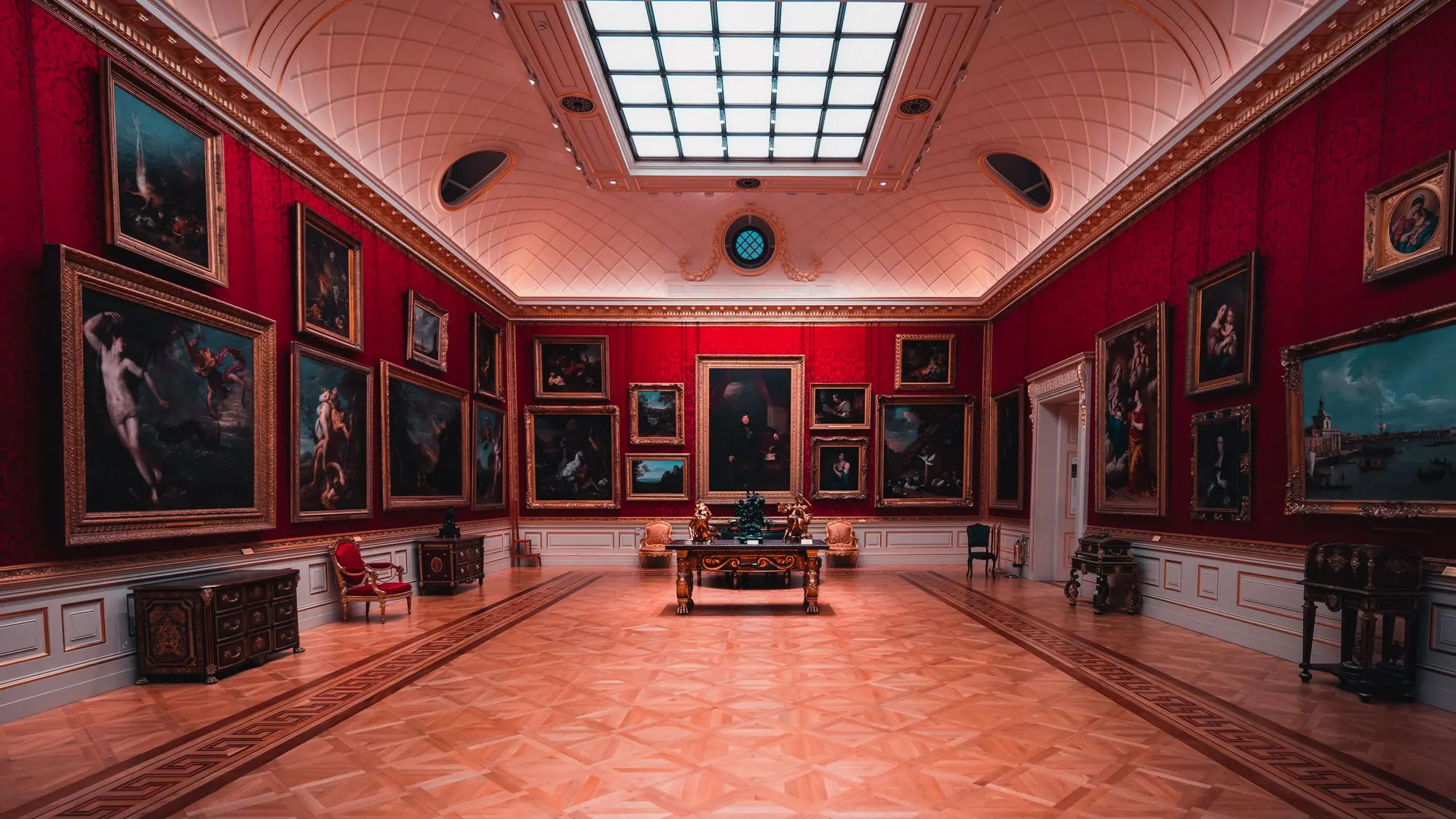
Wireless and non-invasive
Battery-powered GenII transmitters mean no cabling through listed, painted or fragile fabric, so sensors go exactly where the collection needs them, with minimal visual impact. Wired options are available where a permanent connection suits.
Temperature, humidity and light
Monitor the conditions that drive deterioration, temperature, relative humidity and visible and UV light exposure, continuously and in one place.
Built for preventive conservation
Long-term data with floor plans and trend analysis lets conservators see patterns, investigate causes and act before damage occurs.
Scales across the whole estate
Repeaters extend radio range across large, multi-room and multi-building sites. Canterbury Cathedral alone runs around 70 wireless transmitters across roughly 200 channels.
Supports loans and accreditation
Clear, audit-ready reports help satisfy lenders, loan agreements and accreditation, and prove the environment your collection was held in.


Preservation priority
What environmental conditions do museums and heritage collections need, and how do you monitor them?
Heritage collections are damaged less by a single wrong reading than by instability: temperature and relative humidity that swing, spike or drift over hours and seasons. The protective goal is therefore stability within ranges appropriate to each collection and material, rather than one universal setpoint, because materials vary in what they can safely tolerate.
Monitoring turns that goal into evidence. Continuous, wireless sensors record temperature and relative humidity across galleries, stores and historic interiors, so conservation teams can:
-
See the whole building at once on one dashboard, including hard-to-reach stores and display cases.
-
Catch drift early with alarms that warn before conditions move outside the agreed range.
-
Hold a complete record of conditions over time, to review, report and demonstrate care of the collection.
-
Install without disruption because wireless sensors avoid running cabling through fabric that must not be altered.
The result is a documented, defensible picture of the storage and display environment, which is exactly what caring for irreplaceable collections requires.
The working method
Six steps to continuous, audit-ready environmental monitoring
Conservation teams protect collections by monitoring conditions continuously and acting on evidence. Eltek’s workflow uses the Darca Solutions Suite:
-
Set up survey the sites, place sensors in galleries, stores and cases, configure alert thresholds matched to each collection’s risk profile
-
Monitor temperature, relative humidity and light are recorded continuously across all spaces via Darca Collect
-
Alert Darca Connect notifies the right person the moment conditions drift outside agreed ranges
-
Review conservation teams examine trend data on floor plans and dashboards to spot patterns and investigate causes
-
Report scheduled, automated reporting to conservators, loan officers and accreditation assessors
-
Audit evidence retained time-stamped records provide documentary evidence of care conditions when audits or loan requests require retrieval
Accepted practice
What is BS 4971, and what does it recommend for monitoring collections?
BS 4971:2017, “Conservation and care of archive and library collections”, is the UK standard giving risk-based guidance on caring for and storing archive and library collections. It gives recommendations covering policy and planning, managing the storage environment (temperature and relative humidity), and preventive and remedial conservation, so decisions reflect each collection’s materials and risks rather than a fixed setpoint.
In practice, this means understanding what materials a store holds, what risks those materials face, and setting stable conditions matched to that specific collection. Monitoring is how a conservation team evidences that the conditions it has agreed are actually being maintained over time. Two archives, or two objects within the same store, can legitimately require different conditions, and each collection needs its own continuous record to show the conditions it was actually held in.
Sustainable heritage care
Risk-based environmental management can reduce energy use
BS 4971 aligns conditions to each collection’s specific materials and risks, not a fixed setpoint. The Bizot Green Protocol (2023), voluntary guidance from the Bizot Group, goes further: where continuous monitoring demonstrates that conditions are stable and appropriate for the collection, lenders and conservators may accept wider environmental ranges - and that is where energy-intensive climate control can come down. Eltek’s risk-based alert profiles can be configured for Bizot-aligned set-points, producing the continuous evidence record lenders require.
Areas we serve
Explore by the kind of site you look after
Historic Houses & Heritage Buildings
Cathedrals, country houses and historic estates. Battery wireless monitoring for buildings you cannot drill, cable or visit often.
ExploreArchives & Collections Storage
Archive stores, off-site repositories and special collections. Continuous temperature and humidity monitoring for the conditions paper, photographs and rare books depend on.
ExploreGalleries, Exhibitions & Loans
Temporary exhibitions, travelling shows and incoming or outgoing loans. Continuous temperature, humidity and light records that evidence the conditions a lender agreed.
ExploreThe platform
The Darca Solutions Suite
One connected platform, wired and wireless, for protecting museums, galleries, archives and historic buildings.
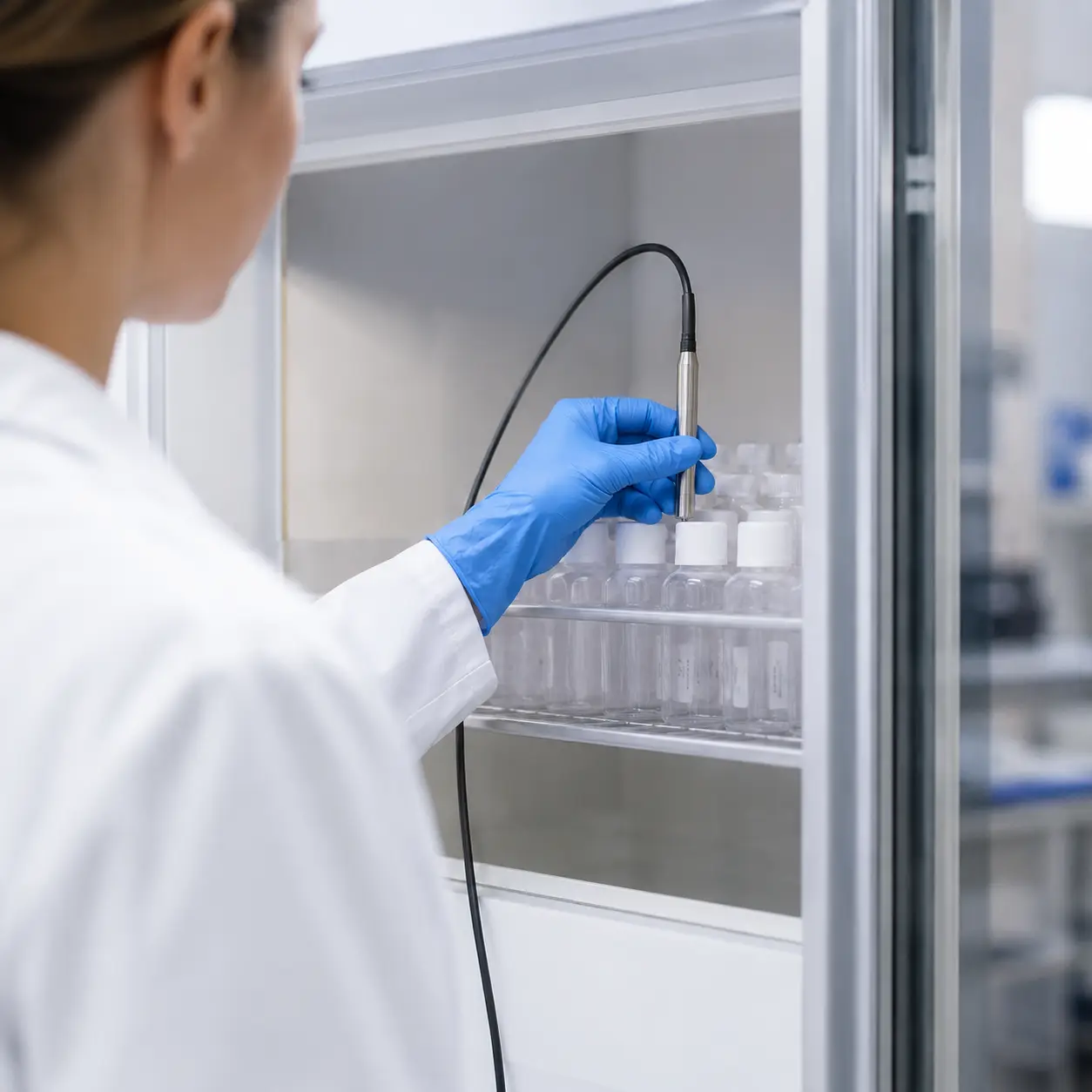
Darca Collect
Wireless GenII transmitters, light and RH/T sensors and repeaters placed without invasive cabling, plus wired probes where a permanent connection suits, the sensing layer for galleries, stores and historic interiors.
Explore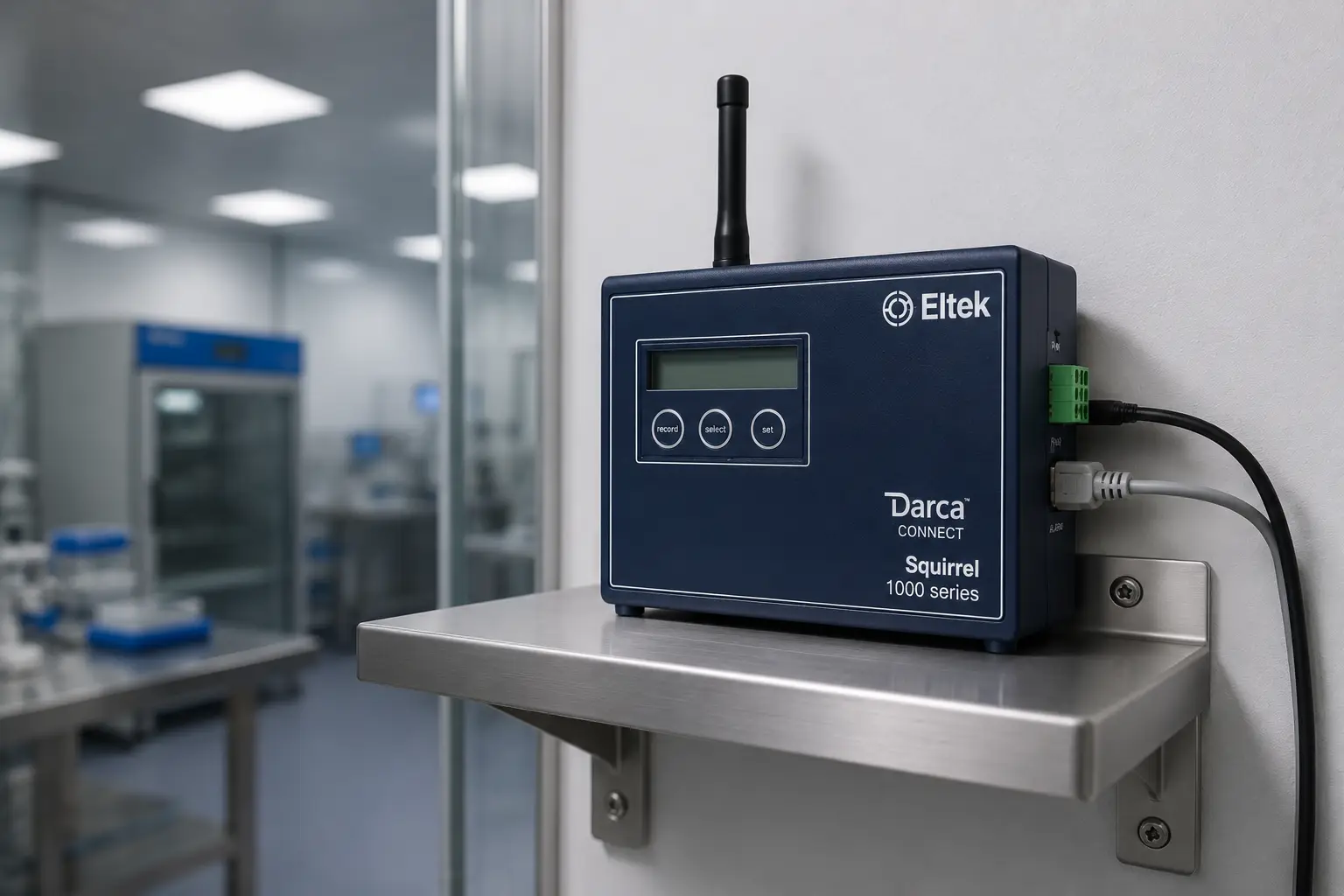
Darca Connect
The SRV450 hub keeps data flowing and SMS450 alarms notify the right person the moment conditions drift.
Explore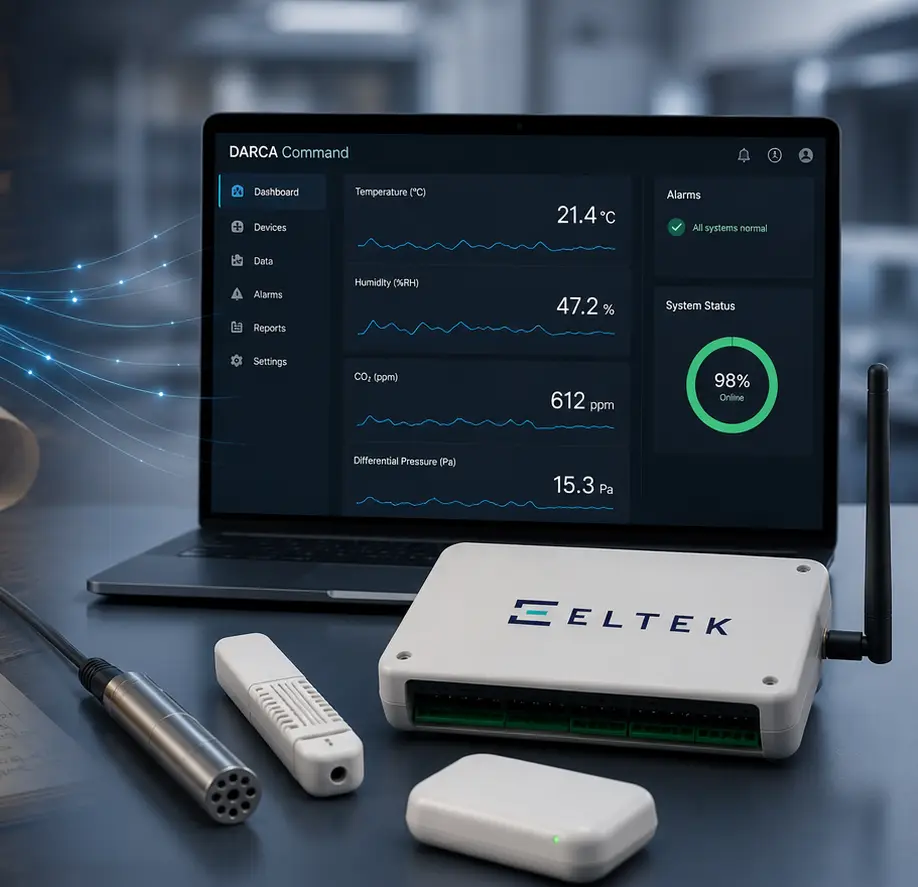
Darca Command
Floor plans, trend analysis and audit-ready reporting so conservation and facilities teams see every space at a glance, from anywhere.
ExploreFeatured case study
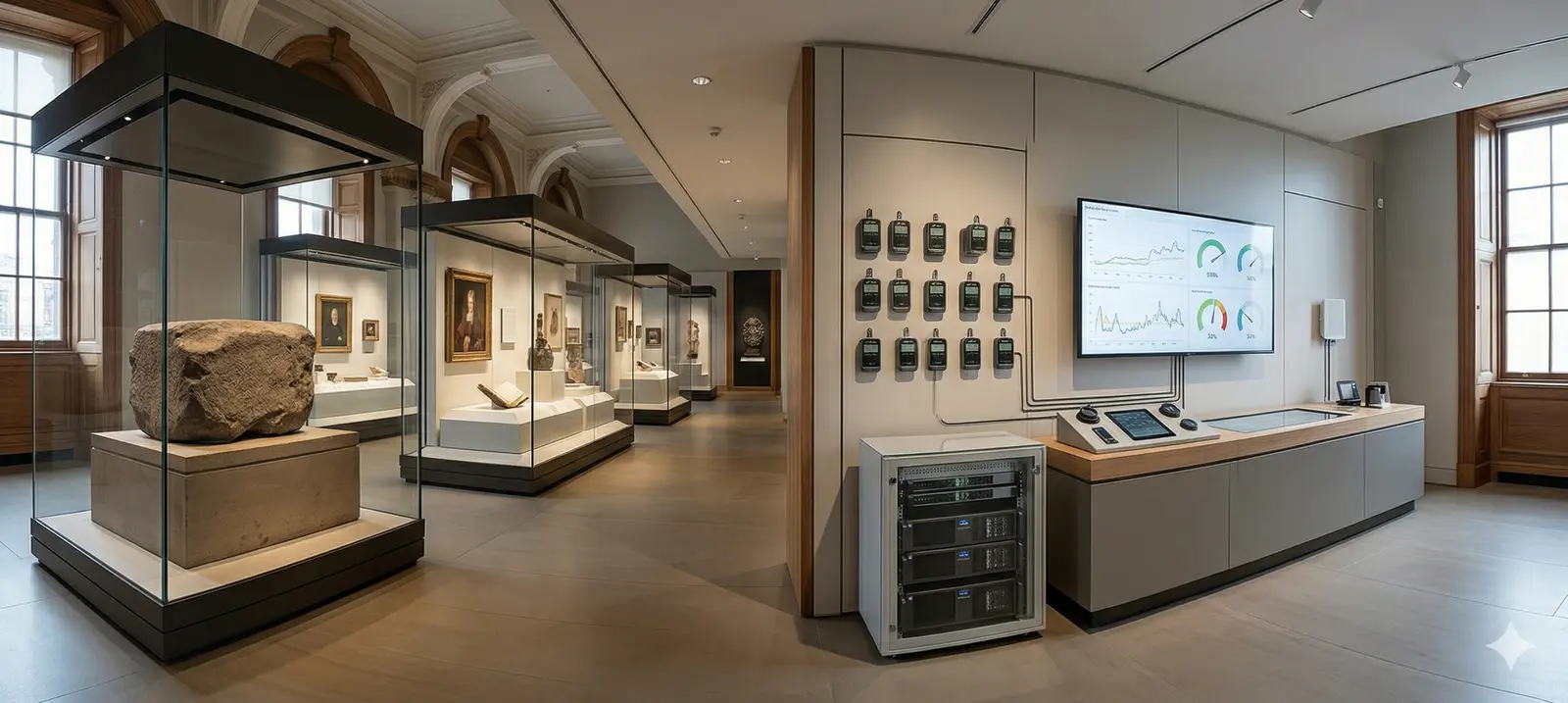
Culture Perth & Kinross: five heritage sites, home of the Stone of Destiny
Culture Perth & Kinross cares for a nationally significant collection and operates five sites monitored by Eltek’s environmental system.
In 2024, Culture Perth & Kinross completed a £27 million redevelopment and opened the new Perth Museum, with the Stone of Destiny, returned to Perthshire for the first time in over 700 years, at its heart. The project covered Perth Art Gallery, a city-centre store, the new Perth Museum, Alyth Museum and the Crieff Town Hall Monuments, all monitored continuously via Darca Command on the mobile data network. The Perth Museum project was supported by Museums Galleries Scotland.
Protecting heritage sites
Trusted to protect Britain’s, and the world’s, most important collections
Canterbury Cathedral has run Eltek monitoring since 2007, now spanning roughly 70 wireless transmitters across 200 channels of structure, glass and wall paintings. At the Natural History Museum, around 600 transmitters protect 80 million-plus specimens at home and on tour, and, in the words of Senior Conservation Officer Gill Comerford, “in effect we can police our specimens remotely.” At Trinity College Dublin, Chief Conservator Dr John Gillis watches over the Book of Kells and the Long Room from anywhere via Darca Command, “it’s a real game changer.”
“I’d recommend Eltek every time.”
- Canterbury Cathedral
- Natural History Museum
- Trinity College Dublin
- RAF Museum
- Carmarthenshire County Council

Speak to an Eltek expert
Tell us what you need to monitor, and our UK engineers will help you specify the right connected solution for your museums & heritage application.
Other applications

Life Sciences
Labs, biobanks, IVF clinics and cold chain. Continuous, validated monitoring where regulatory failure is not an option.
Explore
Manufacturing & Industrial
Process monitoring, manufacturing and multi-site estates. Rugged, scalable wired and wireless networks from the factory floor to the cloud.
Explore
Built Environment
Offices, hospitals, universities and commercial estates. Indoor air quality, temperature and humidity monitoring for healthier, better-performing buildings.
ExploreFrequently asked questions
What is BS 4971 and how does it apply to museum environmental monitoring?
UK museums, libraries and archives use BS 4971:2017 to guide collection care based on each collection's specific materials and risks. Continuous monitoring with time-stamped records and alarms gives conservation teams the evidence to demonstrate that agreed conditions are being maintained and to act before damage occurs.
Can environmental monitoring protect a museum without invasive cabling?
Yes. Eltek’s wireless GD10 and GC10 transmitters extend across galleries, stores and historic fabric without drilling or running cable, which matters in listed buildings and historic interiors. Institutions including Canterbury Cathedral, the Natural History Museum and Trinity College Dublin monitor temperature, humidity and light this way.
Which museum data logger is right for a heritage collection?
The right museum data logger depends on what needs to be measured and the sensitivity of the fabric. Eltek’s GenII wireless transmitters monitor temperature, relative humidity and light without invasive cabling, making them well suited to listed buildings and delicate interiors. For sites where permanent wired connections suit, wired probes are available on the same connected Darca platform. Canterbury Cathedral, the Natural History Museum and Trinity College Dublin all run wireless Eltek systems across collections of national and international significance.
What are best practices for environmental monitoring in collections care?
Good collections care means monitoring temperature, relative humidity and light continuously rather than by occasional spot checks, watching the rate and range of change as much as absolute values, and keeping long-term records to evidence conditions. Eltek supports this with wireless sensors, floor plans, trend analysis and audit-ready reports, so conservators can spot patterns and act before damage occurs.
How does environmental monitoring protect a museum collection from humidity damage?
Unstable humidity drives many forms of deterioration, from mould to the cracking and warping of organic materials, so protecting a collection means catching humidity swings early. Eltek monitors relative humidity alongside temperature and light continuously, alarms when conditions drift outside agreed tolerances, and logs time-stamped records, giving conservators both the early warning and the evidence to intervene before humidity damages the collection.
What is the right temperature and humidity for a museum collection?
There is no single correct figure. Appropriate conditions depend on the materials in the collection and the risks those materials face, so the target is stability within the range agreed for each specific collection. The practical focus is catching harmful drift early rather than chasing a number that does not apply universally.
How does BS 4971 relate to PD 5454?
BS 4971:2017 is a technical revision that brought together conservation and care guidance for collections, incorporating conservation aspects previously associated with PD 5454:2012 (the earlier guidance on storage and exhibition of archival materials). BS 4971:2017 (with BS EN 16893:2018) replaced PD 5454:2012, which is withdrawn.
How do conservation teams monitor to meet BS 4971?
Continuous, wireless temperature and relative-humidity monitoring gives conservation teams the evidence the standard relies on. Sensors record conditions across stores, galleries and cases, alarms warn when readings drift outside the agreed range, and the stored history documents that the environment has been kept stable, informing decisions and demonstrating care of the collection.