Museum & Heritage Case study
Upgrading the Fitzwilliam Museum’s environmental monitoring, one phase at a time
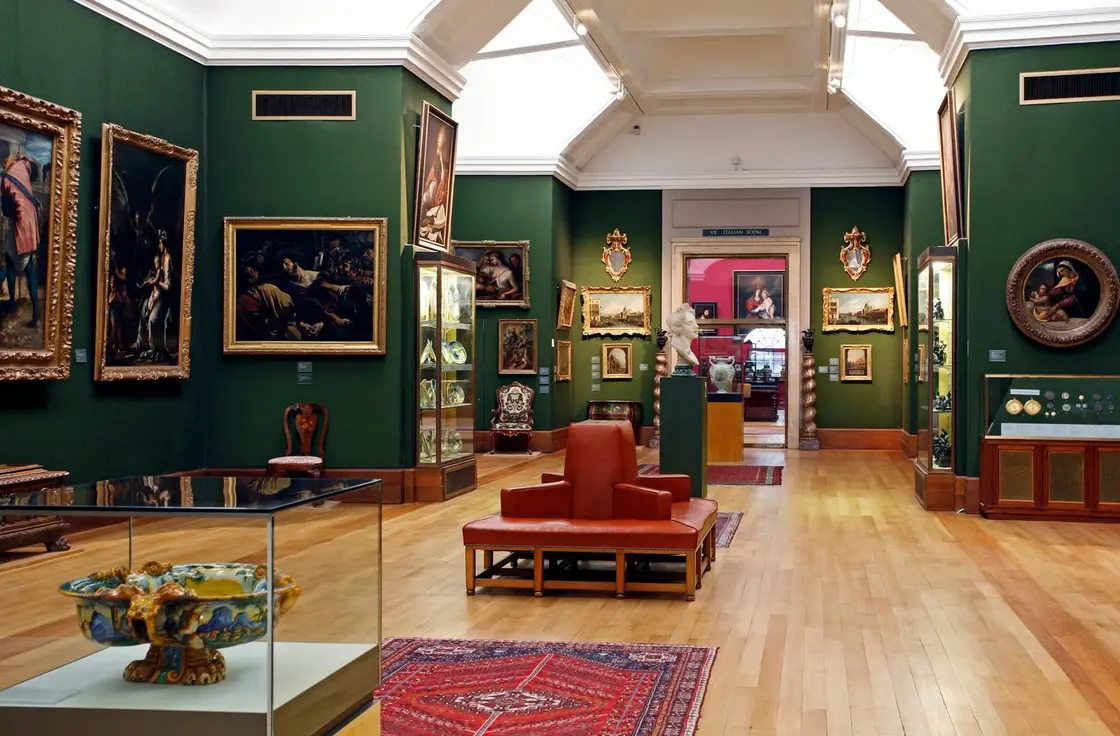
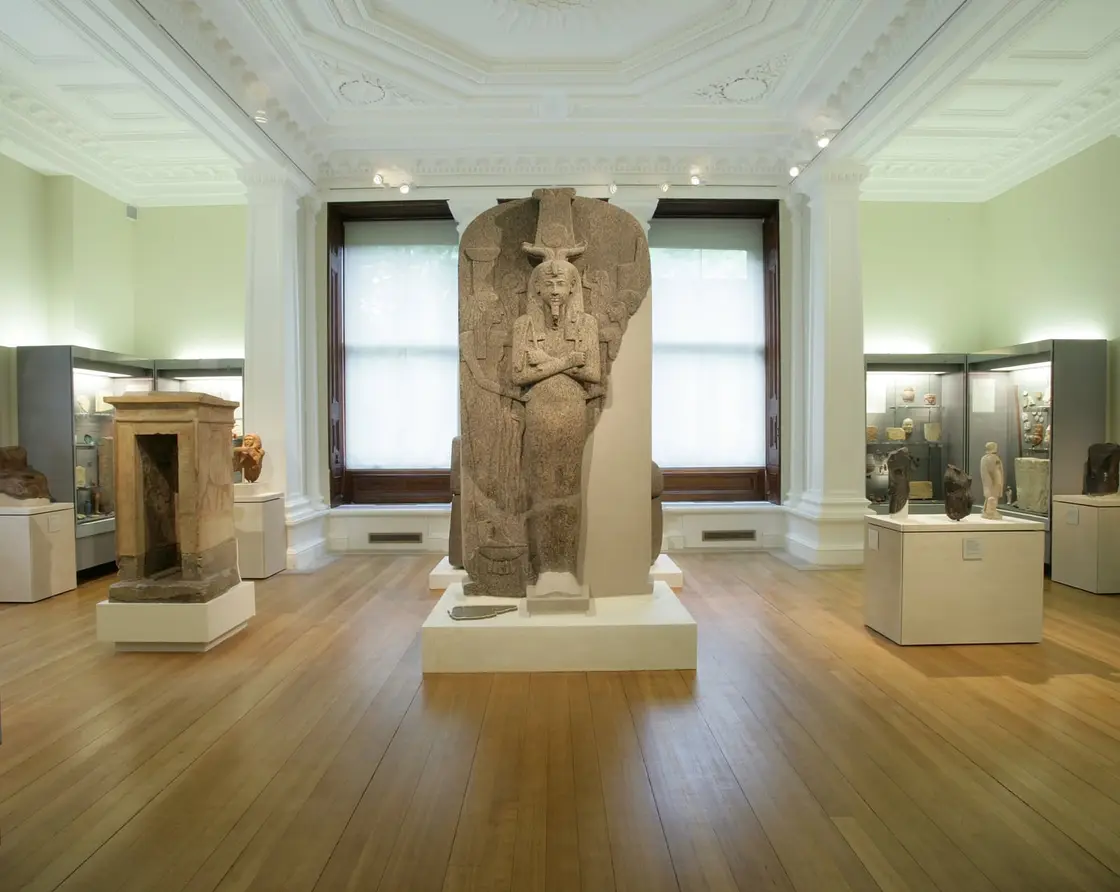
For the Fitzwilliam Museum, environmental monitoring is, in the conservator’s words, “arguably the most important thing when it comes to the preservation of our collections.”
In their words
Hear it from the museum
The challenge: irreversible, gradual, and easy to miss
The Fitzwilliam’s preventive conservation team checks its environmental monitoring system multiple times a day, watching for fluctuations in temperature and humidity that could threaten the stability of the collections. Temperature, relative humidity and light can all cause irreparable damage, so all three are monitored continuously.
The risks are cumulative and mostly invisible day to day. Higher temperatures accelerate chemical degradation in organic materials such as paper, textiles and photographic media, leaving objects brittle, discoloured or structurally weakened. Fluctuations in relative humidity make hygroscopic materials expand and contract, causing warping, cracking and delamination, especially in composite objects; too-high RH invites mould, pests and metal corrosion, while too-low RH causes desiccation. As guidance from bodies like the Institute of Conservation reflects, stability often matters more than hitting exact numbers, so minimising fluctuations is the goal.
The solution: Darca Connect, and a bridge instead of a rebuild
Eltek’s online system, Darca Connect, significantly improved how the museum monitors conditions compared with its previous system. A customisable dashboard gives a broad view of every sensor across the building while letting conservators focus on specific areas with widgets such as charts and gauges. A notes feature let the team migrate their previous environmental-issue and air-handling-unit action logs onto the monitoring system itself, and export those notes into reports to track issues over time, for example when they are tied to weather events or mechanical failures.
Crucially, the museum did not have to replace everything at once. A cost-benefit analysis found that replacing the entire environment system would cost a significant amount. The Eltek Bridge let the museum port its existing system over gradually, keeping much of its legacy hardware for a fraction of that cost, and build towards a full Eltek system over time. Much of the existing hardware stayed in place, so the transition was gradual in the real sense, and for a heritage institution without an unlimited budget that phased path is more sustainable both financially and environmentally.
The impact: a fault caught before it mattered, and hours returned to the collection
The reach now extends well beyond the building. At an offsite store some distance away, the museum runs two of Eltek’s data loggers and monitors conditions, including fluctuations it could not previously see remotely. In one recent example, conditions in the store looked as if they were about to drift high; the system alerted the conservator pre-emptively, so she could contact the estates team and have a mechanical fault investigated and resolved before the store fell out of acceptable conditions.
Closer to home, the museum has significant reporting commitments, including to bodies such as Arts Council England. With Darca Connect’s automatic reporting, the team can export all the required data at once, multiple graphs, averages and readings, rather than exporting and organising it by hand, so specialist time goes to collections care rather than data collation.
The relationship continues to develop. Eltek has worked with the museum on smaller light, humidity and temperature monitors that can sit inconspicuously inside display cases to meet exhibition design requirements, and has been responsive to feedback such as adjusting how reports are generated to better fit the museum’s needs.
“The Eltek Bridge system is definitely worth the investment.”
The platform
The Darca solutions behind it
One connected platform, Collect, Connect and Command, configured for this application.
Darca Collect
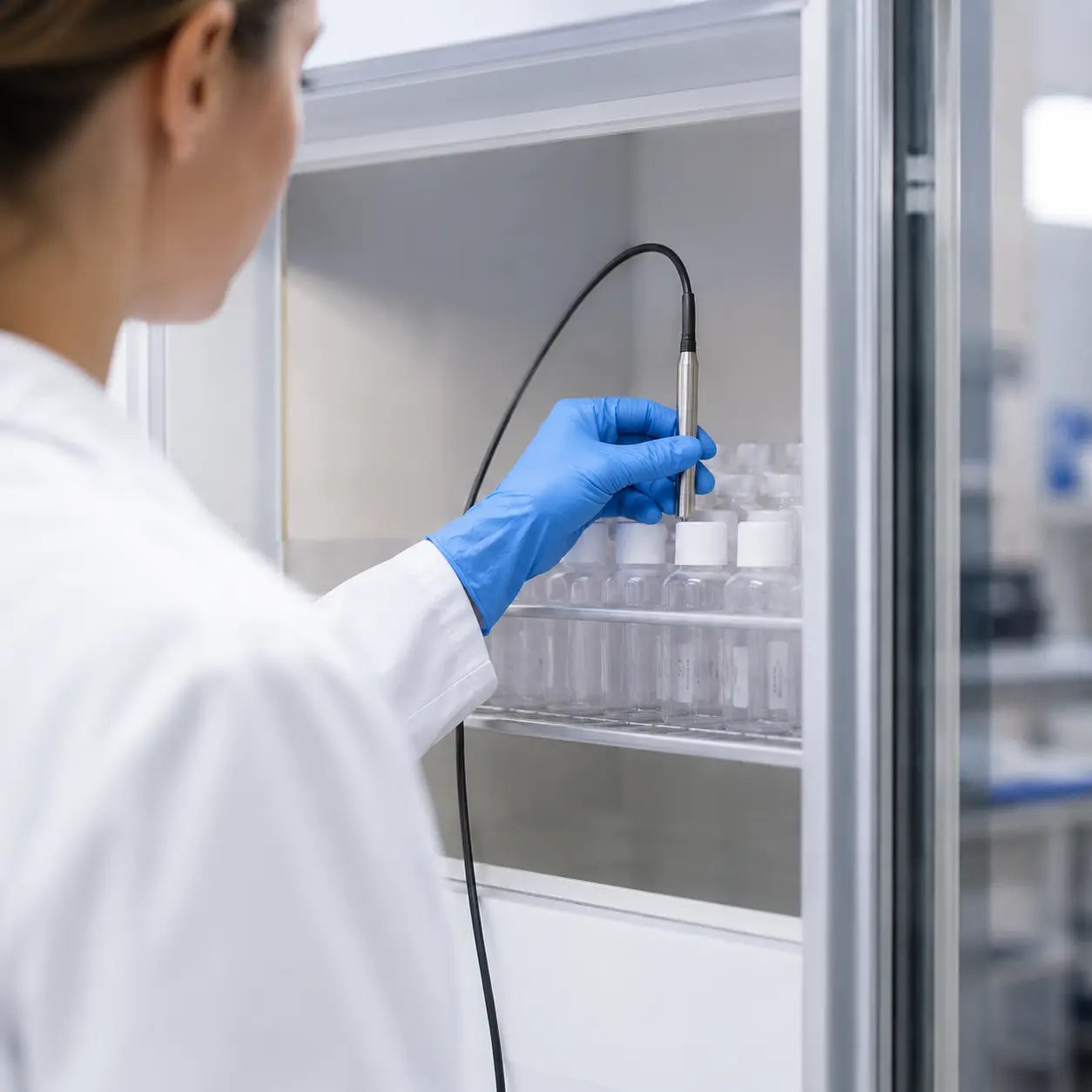
Wireless data loggers monitor temperature, RH and light, including two at a distant offsite store that reveal fluctuations the old system could not see remotely.
Explore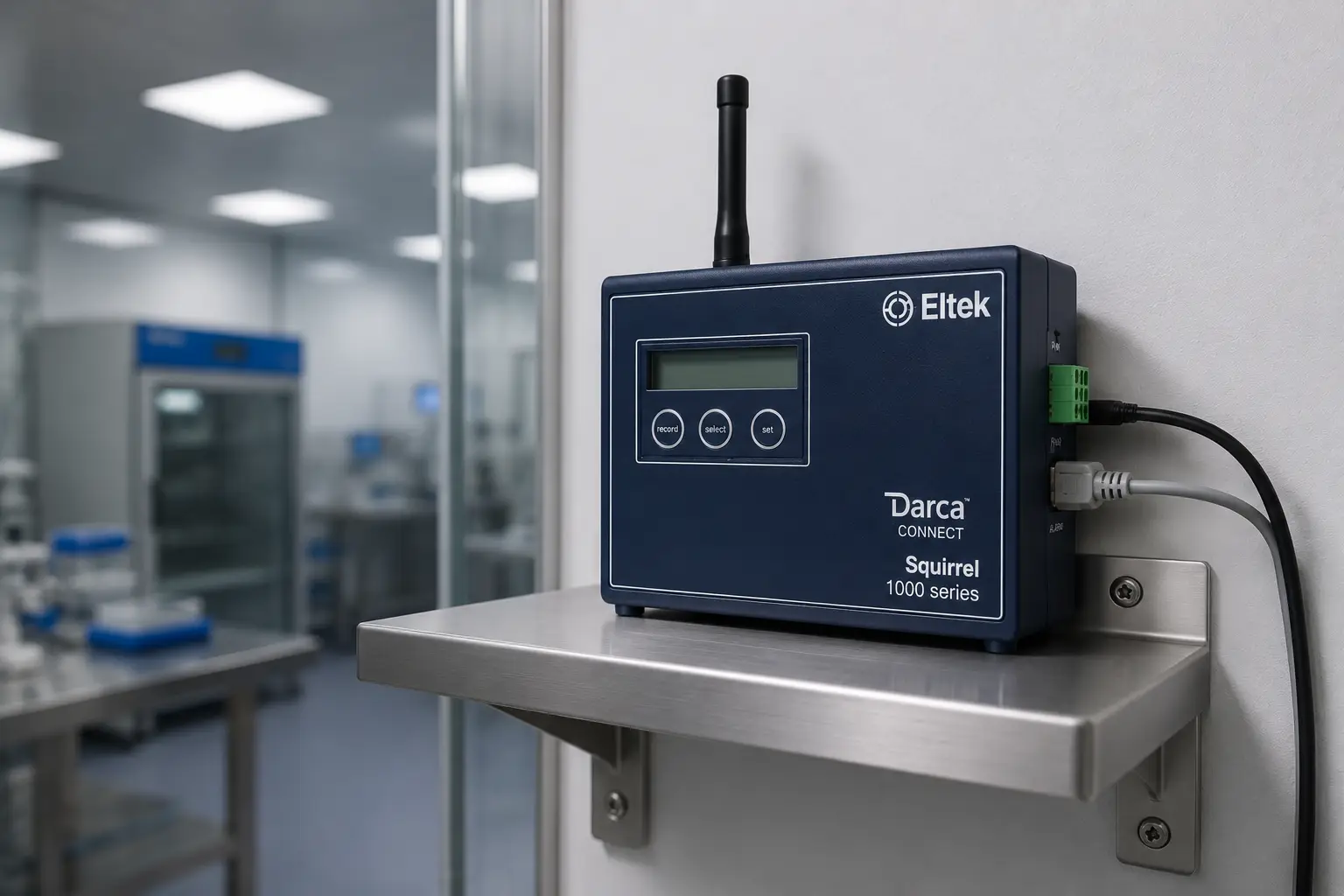
Darca Connect
Darca Connect’s customisable dashboard, notes and automatic reporting give a building-wide view, pre-emptive alerts, and one-step exports for Arts Council England reporting.
Explore