Insight
The Hidden Cost of Manual Temperature Checks
Manual temperature checks look inexpensive, but the true cost is the time, risk and inefficiency built into the process. What a continuous temperature monitoring system saves, and where the hidden costs hide.
The Eltek Engineering Team6 min read
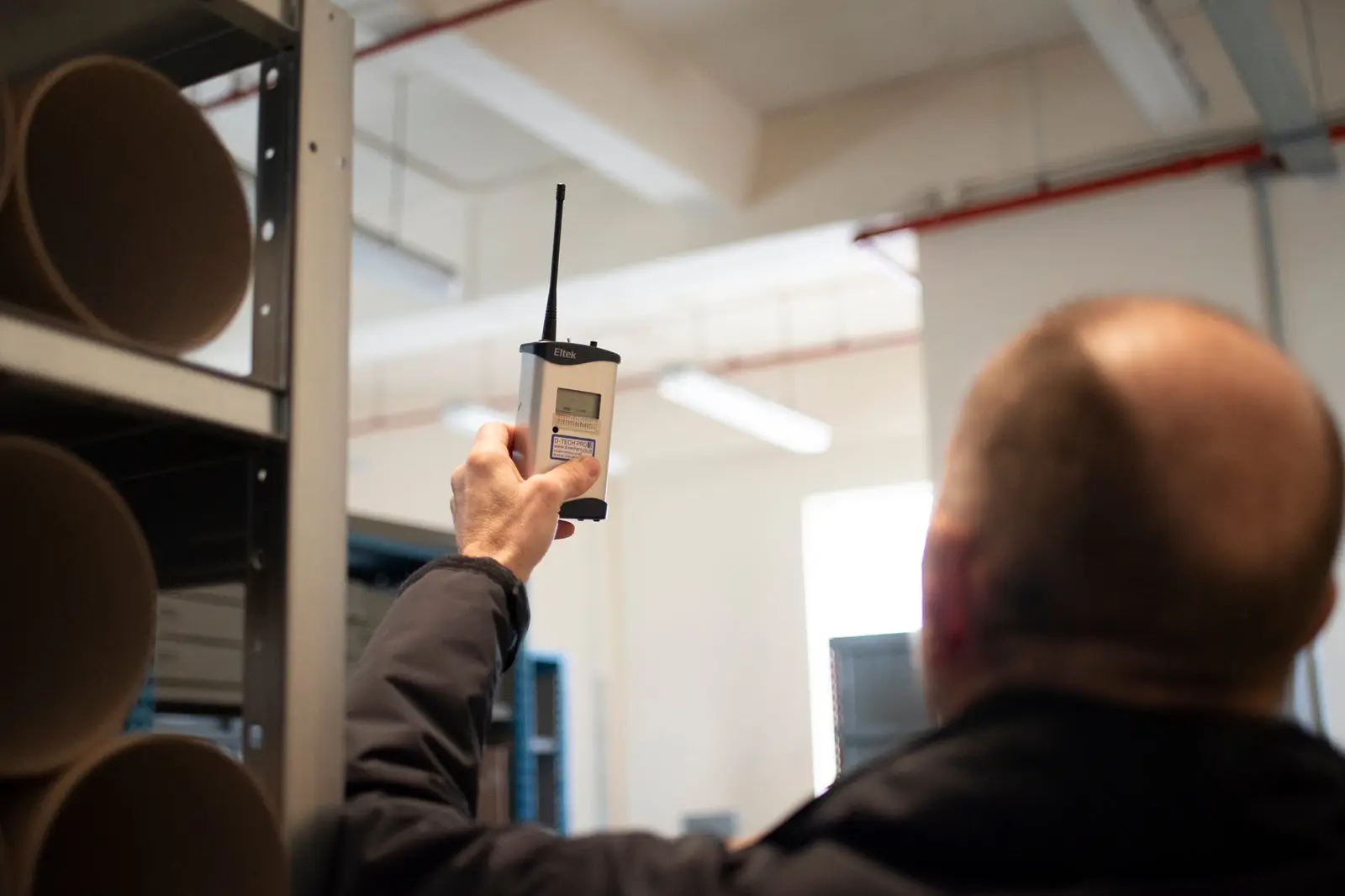
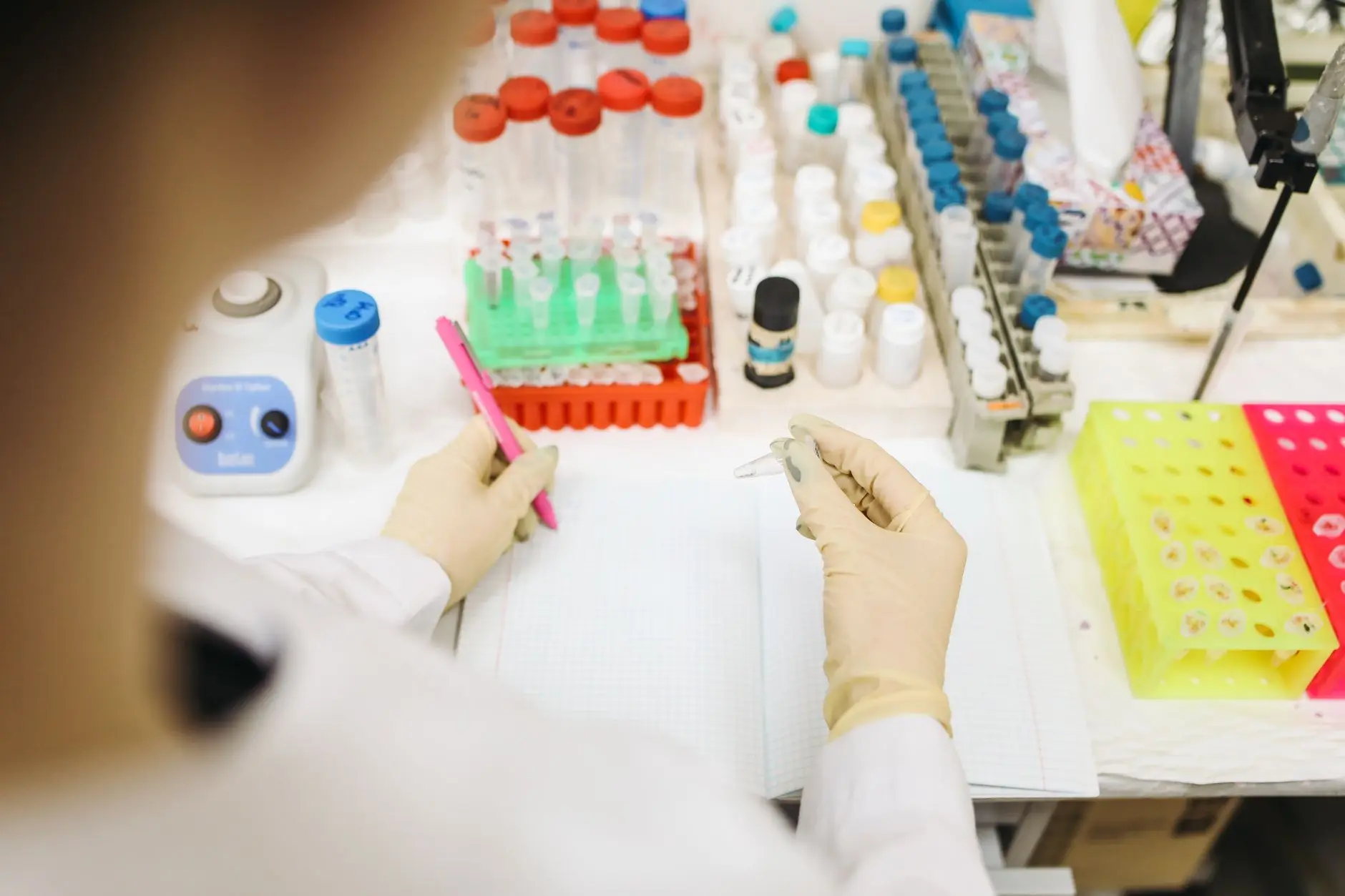
Walk into almost any laboratory and you’ll find staff carrying out routine temperature checks.
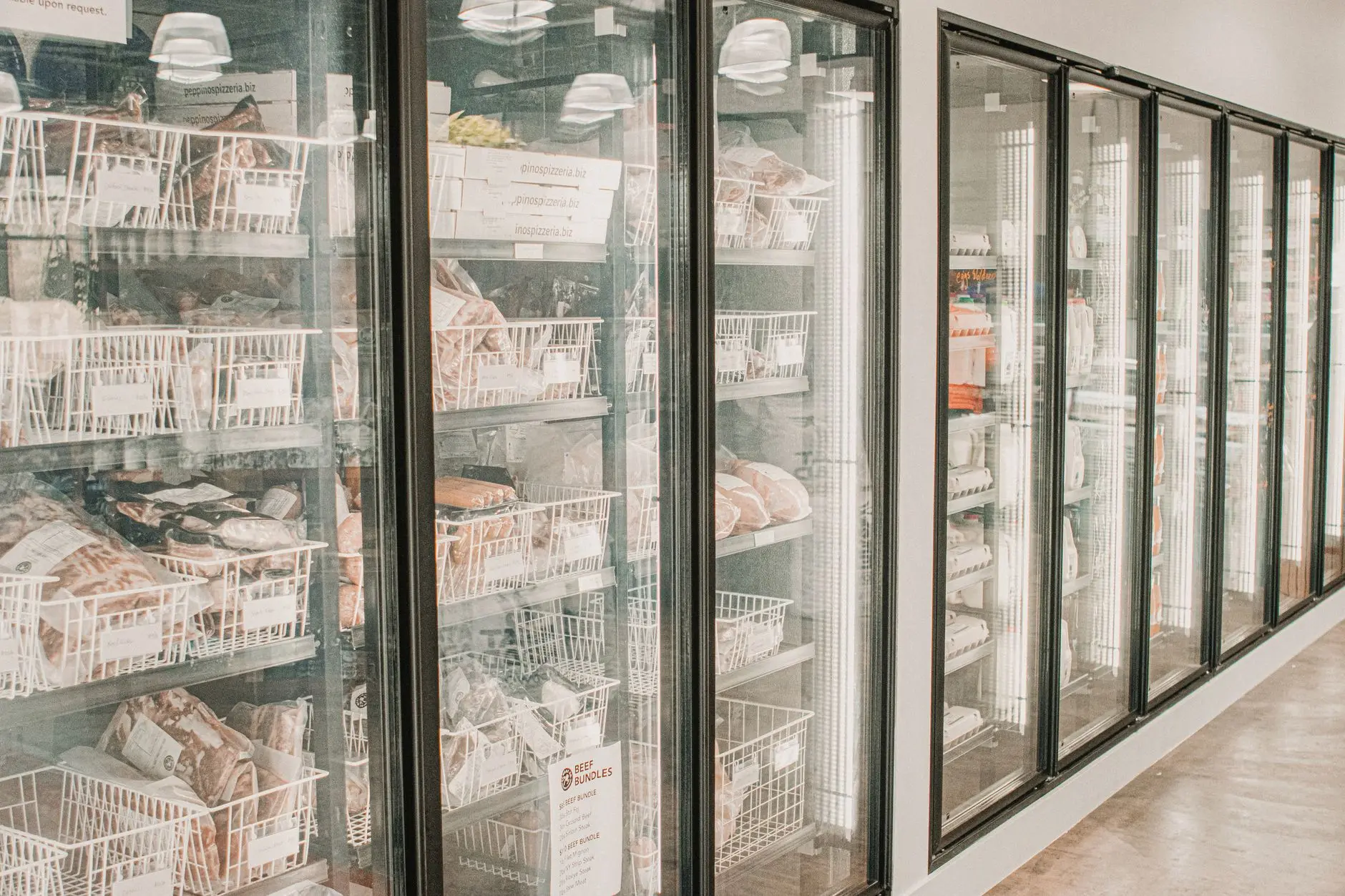
Refrigerators are inspected. Ultra-low temperature freezers are recorded. Incubators are verified. Cold rooms are checked.
For decades, this has been considered normal laboratory practice.
But while manual temperature checks appear inexpensive on the surface, they often carry hidden operational costs that many organisations never fully calculate.
The true cost isn’t the thermometer.
It’s the time, risk and inefficiency built into the process.
What does manual temperature monitoring really cost a laboratory?
Manual temperature monitoring looks cheap but carries hidden costs: staff hours spent walking and recording, blind spots between readings, human error, administrative effort, and rising workload as you grow. A continuous temperature monitoring system removes much of that by collecting data automatically and alerting teams only when action is genuinely required.
The Cost of Time
Let’s consider a simple example.
Imagine a laboratory with:
- 50 refrigerators
- 30 ultra-low temperature freezers
- 20 incubators
That’s 100 monitored assets.
If each manual inspection takes just three minutes, including walking to the equipment, recording the temperature and completing documentation, that equates to:
- 300 minutes every day
- Five hours of staff time
- More than 1,200 hours each year
For many laboratories, this represents several months of skilled employee time dedicated solely to routine environmental monitoring.
Time that could otherwise be spent supporting research, quality activities or laboratory operations.
The Cost of Missed Events
Manual monitoring only captures conditions at the moment a reading is taken.
If a refrigerator fails at 10:30 pm but the next inspection isn’t until 8:00 am, the laboratory has no visibility of what happened overnight.
Questions immediately arise:
- When did the excursion begin?
- How long did it last?
- Which samples were affected?
- Was the temperature ever outside specification?
- Can product integrity still be demonstrated?
Continuous monitoring eliminates these blind spots by providing a complete environmental history rather than isolated snapshots.
The Cost of Human Error
Even highly experienced laboratory teams are human.
Manual processes inevitably introduce opportunities for error, including:
- Incorrect readings
- Transposed numbers
- Missed inspections
- Forgotten signatures
- Incomplete records
- Delayed investigations
While each individual error may seem minor, collectively they increase administrative workload and create unnecessary quality risks.
Automation helps reduce reliance on repetitive manual tasks, improving both consistency and confidence in the resulting data.
The Cost of Administration
Recording temperatures is only one part of the process.
Laboratories must also:
- Store records
- Review logs
- Investigate deviations
- Produce reports
- Demonstrate compliance
- Retrieve historical information during inspections
These activities often consume significantly more time than taking the original measurement.
Electronic monitoring systems streamline much of this administrative work by automatically collecting, storing and organising environmental data in a central location.
The Cost of Growth
As laboratories expand, manual monitoring becomes increasingly difficult to scale.
Adding more freezers traditionally means:
- More temperature checks
- More paperwork
- More staff time
- Greater risk of inconsistency
Eventually, organisations reach a point where manual processes begin limiting operational efficiency.
Continuous environmental monitoring allows laboratories to expand their monitored estate without increasing monitoring workload at the same rate.
The Cost of Not Knowing
Perhaps the greatest hidden cost is uncertainty.
When something goes wrong, laboratory teams need confidence that they can answer critical questions quickly.
- Was the equipment operating correctly?
- Were alarm limits exceeded?
- How long did the excursion last?
- Who responded?
- Can the environmental conditions be reconstructed?
The ability to answer these questions immediately reduces investigation time, supports quality decisions and provides reassurance during regulatory inspections.
Moving From Manual Checks to Continuous Visibility
Manual temperature monitoring has served laboratories for many years.
However, today’s laboratories operate in increasingly complex, highly regulated environments where valuable samples, research programmes and critical materials depend on reliable environmental control.
Continuous monitoring doesn’t simply replace manual checks.
It provides laboratories with:
- Real-time visibility
- Immediate alarm notification
- Historical trend analysis
- Secure audit trails
- Centralised reporting
- Greater operational confidence
Rather than spending time searching for problems, laboratory teams can focus on responding only when action is genuinely required.
How Eltek Helps Laboratories Work Smarter
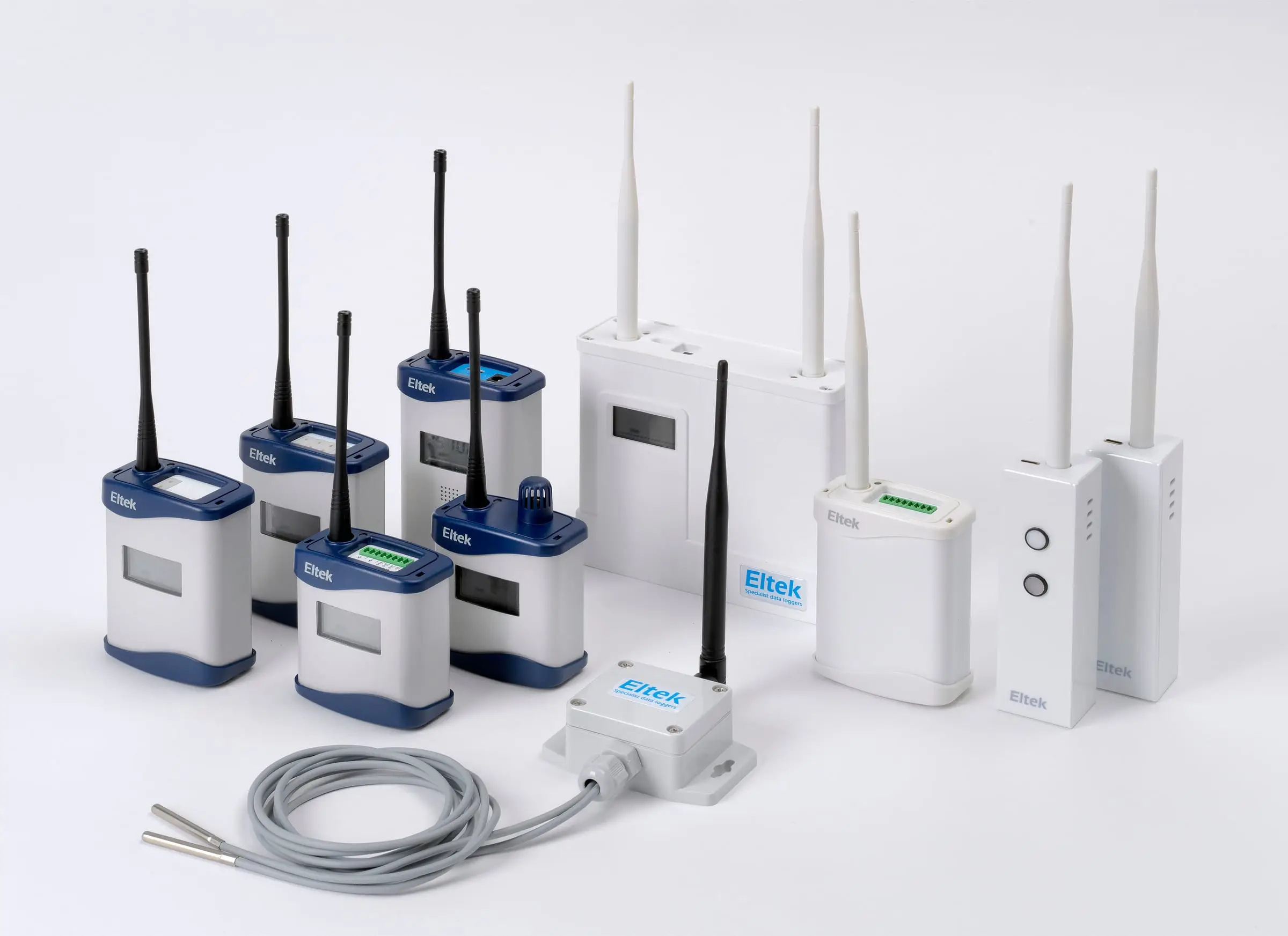
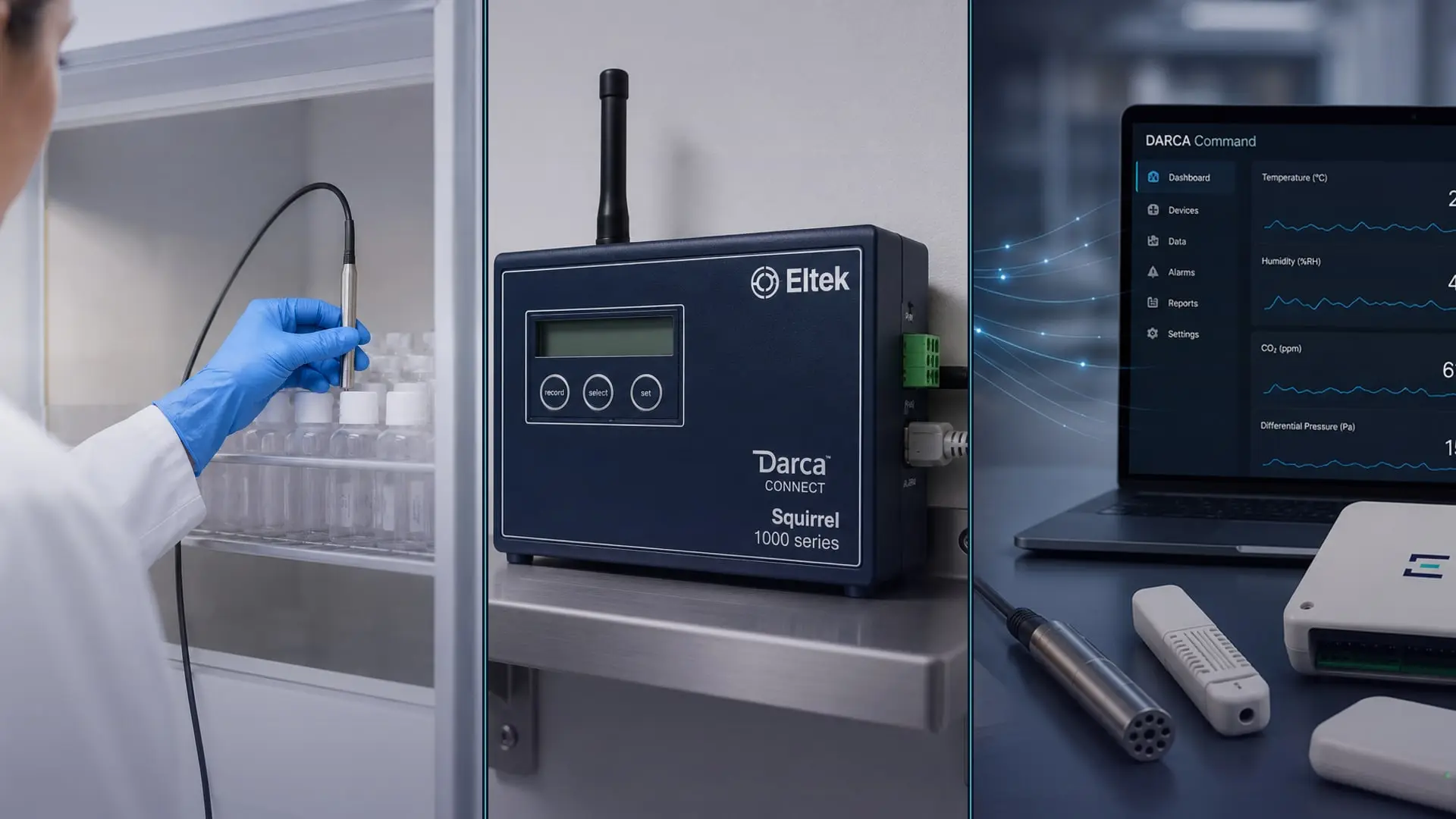
Eltek’s Darca Command environmental monitoring platform helps laboratories replace repetitive manual temperature checks with continuous automated monitoring across refrigerators, ultra-low temperature freezers, incubators, cold rooms and other critical environments.
By combining real-time monitoring, automated alerts, secure audit trails and centralised reporting, Darca Command enables laboratories to improve operational efficiency while strengthening compliance and protecting valuable samples.
The result is less time spent collecting data, and more time using it to make informed decisions.
Manual temperature checks may appear inexpensive, but the hidden costs can quickly add up. Modern environmental monitoring enables laboratories to move beyond routine temperature recording and towards continuous visibility, helping protect critical assets while making better use of valuable laboratory resources.
How much is manual temperature monitoring really costing your laboratory? Contact Eltek for a free Environmental Monitoring Efficiency Assessment and discover how Darca Command can help reduce manual workload while improving visibility across your critical environments.
Key takeaways
- Staff time spent performing routine inspections.
- Limited visibility between manual readings.
- Human error and incomplete records.
- Administrative effort associated with paper-based processes.
- Increased workload as laboratories expand.
Need this in your facility?
Find out how much manual monitoring is really costing your laboratory. Tell us what you monitor and our UK engineers will show you how a continuous temperature monitoring system reduces the workload, no obligation.
Arrange a Darca Command demonstrationFrequently asked questions
What is a temperature monitoring system?
A temperature monitoring system automatically and continuously records temperature across assets such as refrigerators, freezers, incubators and cold rooms, stores the data centrally, and raises alerts when readings move out of range, replacing repetitive manual checks and paper logs.
Is a temperature data logger better than manual checks?
A temperature data logger records readings continuously rather than at two moments a day, so it captures excursions a manual check would miss. Connected to a central platform, loggers also cut the administration of storing, reviewing and retrieving records for investigations and inspections.
How much staff time does manual temperature monitoring take?
It depends on the number of assets and checks. In this article’s example, 100 assets checked at three minutes each add up to five hours a day and more than 1,200 hours a year, time skilled staff could otherwise spend on science.
How does Eltek reduce manual temperature monitoring?
Eltek’s Darca Command replaces repetitive manual checks with continuous automated monitoring across refrigerators, ultra-low temperature freezers, incubators and cold rooms, combining real-time monitoring, automated alerts, secure audit trails and centralised reporting, so teams spend less time collecting data and more time using it.
Get more insights like this
Get monitoring insights in your inbox
Practical guidance on compliance and environmental monitoring: mapping, audit trails, probe selection and multi-site reliability. Occasional, useful, no noise.
Unsubscribe any time. Your details are never shared.