Insight
Why Spreadsheets Fail Compliance: The Hidden Risks of Manual Environmental Monitoring
Spreadsheets are familiar and cheap, but they were never designed to prove data integrity. Here are the hidden compliance risks of manual environmental monitoring, and what modern systems do instead.
The Eltek Engineering Team6 min read
For many organisations, spreadsheets have become the default tool for recording temperature, humidity and environmental monitoring data. They’re familiar, inexpensive and easy to create. But as organisations grow, regulations become more demanding and audit expectations increase, spreadsheets can quickly become a hidden compliance risk.
Whether you’re managing pharmaceutical storage, museum collections, laboratories or manufacturing environments, relying on manual processes can expose your business to unnecessary risk.
Can you use spreadsheets for environmental monitoring compliance?
Spreadsheets can record temperature and humidity readings, but they are not compliant environmental monitoring systems on their own. They lack a secure, non-editable audit trail, real-time alerts and access control, so they cannot reliably demonstrate data integrity to an auditor. For regulated monitoring, use a validated system that logs continuously and keeps tamper-evident records.
The problem isn’t the spreadsheet, it’s the process
Spreadsheets are excellent for analysing data, but they were never designed to be compliance management systems.
Environmental monitoring requires much more than simply recording readings. Organisations also need to demonstrate that data is:
- Accurate
- Complete
- Traceable
- Secure
- Available during audits
- Protected from unauthorised changes
Meeting these requirements manually becomes increasingly difficult as monitoring programmes grow.
Five reasons spreadsheets can fail compliance
1. Human error is inevitable
Manual data entry introduces risk at every stage. Common issues include:
- Typing errors
- Missed readings
- Incorrect dates or times
- Copy-and-paste mistakes
- Accidental deletion of data
Even the most diligent teams can make mistakes, especially when monitoring multiple locations or assets.
2. No automatic audit trail
Many regulated industries require a clear record of who made changes, when they were made and why. Traditional spreadsheets can be edited without leaving a complete, secure audit trail, making it difficult to demonstrate data integrity during inspections. Without full traceability, proving compliance becomes much harder, which is exactly why the audit trail sits at the heart of compliant monitoring.
3. Delayed response to environmental events
If monitoring relies on someone checking a spreadsheet each day, critical environmental excursions may go unnoticed for hours, or even days. A temperature rise in a laboratory freezer or excessive humidity in a museum gallery can quickly lead to:
- Product loss
- Damaged collections
- Regulatory breaches
- Costly investigations
In a pharmaceutical cold chain, where cold chain monitoring has to prove that products stayed in range from storage through to delivery, a single missed excursion can mean an entire batch is written off. Real-time monitoring and automated alerts help organisations respond before problems escalate.
4. Version control creates confusion
How many versions of the same spreadsheet exist?
- “Temperature Log Final.xlsx”
- “Temperature Log Final_v2.xlsx”
- “Temperature Log FINAL NEW.xlsx”
When multiple people update different copies, maintaining a single source of truth becomes almost impossible. This creates unnecessary uncertainty during audits and investigations.
5. Scaling becomes increasingly difficult
What works for five monitoring points often becomes unmanageable at fifty. As organisations expand, spreadsheets become increasingly difficult to maintain. More locations mean:
- More manual work
- More opportunities for errors
- More time spent producing reports
- Greater compliance risk
Instead of improving efficiency, monitoring can become a full-time administrative task.
What modern compliance looks like
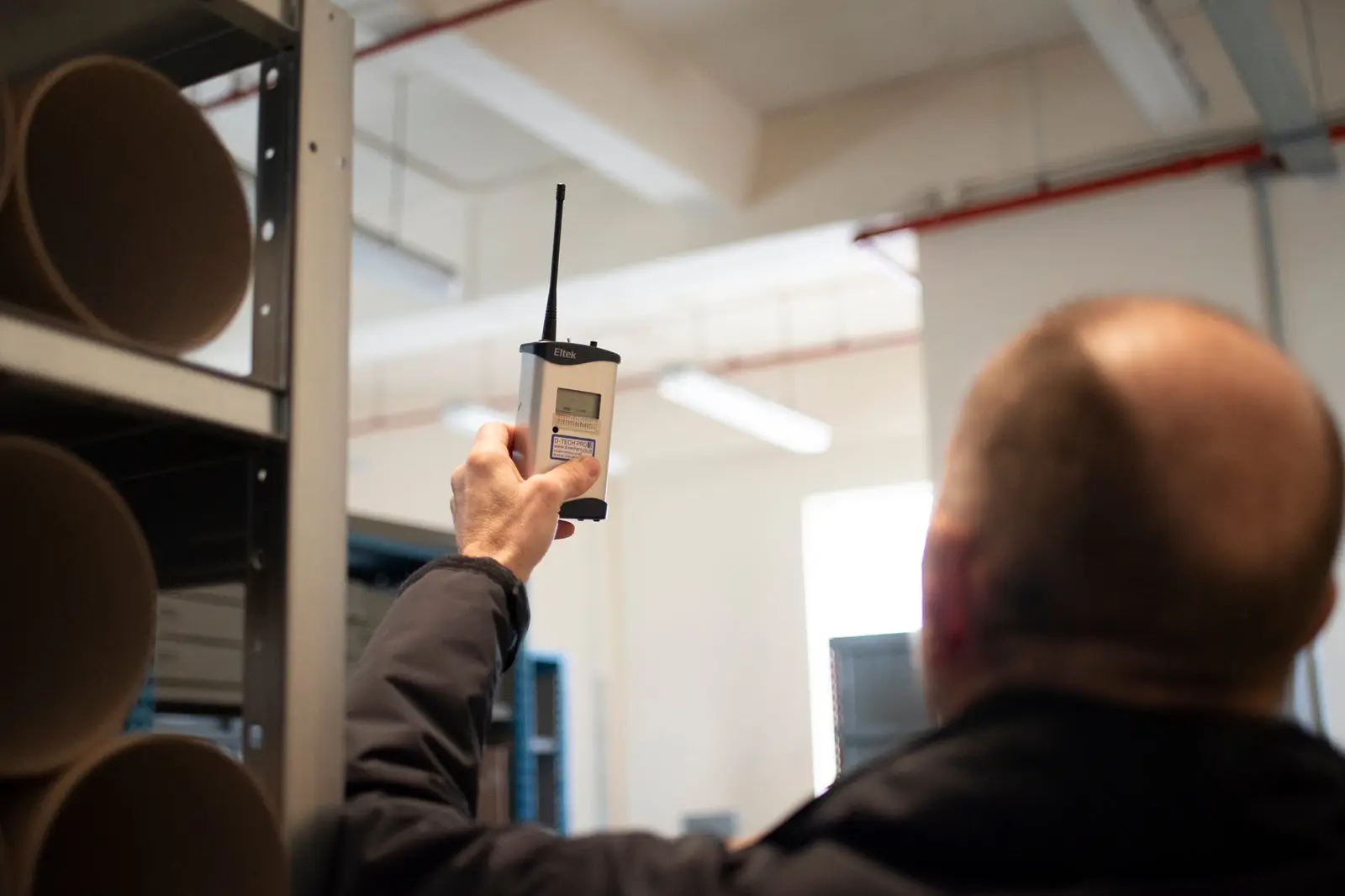
Modern environmental monitoring solutions automate many of the tasks traditionally managed through spreadsheets. These systems can:
- Automatically collect monitoring data
- Generate secure audit trails
- Issue real-time alerts
- Produce instant compliance reports
- Centralise data across multiple sites
- Reduce manual administration
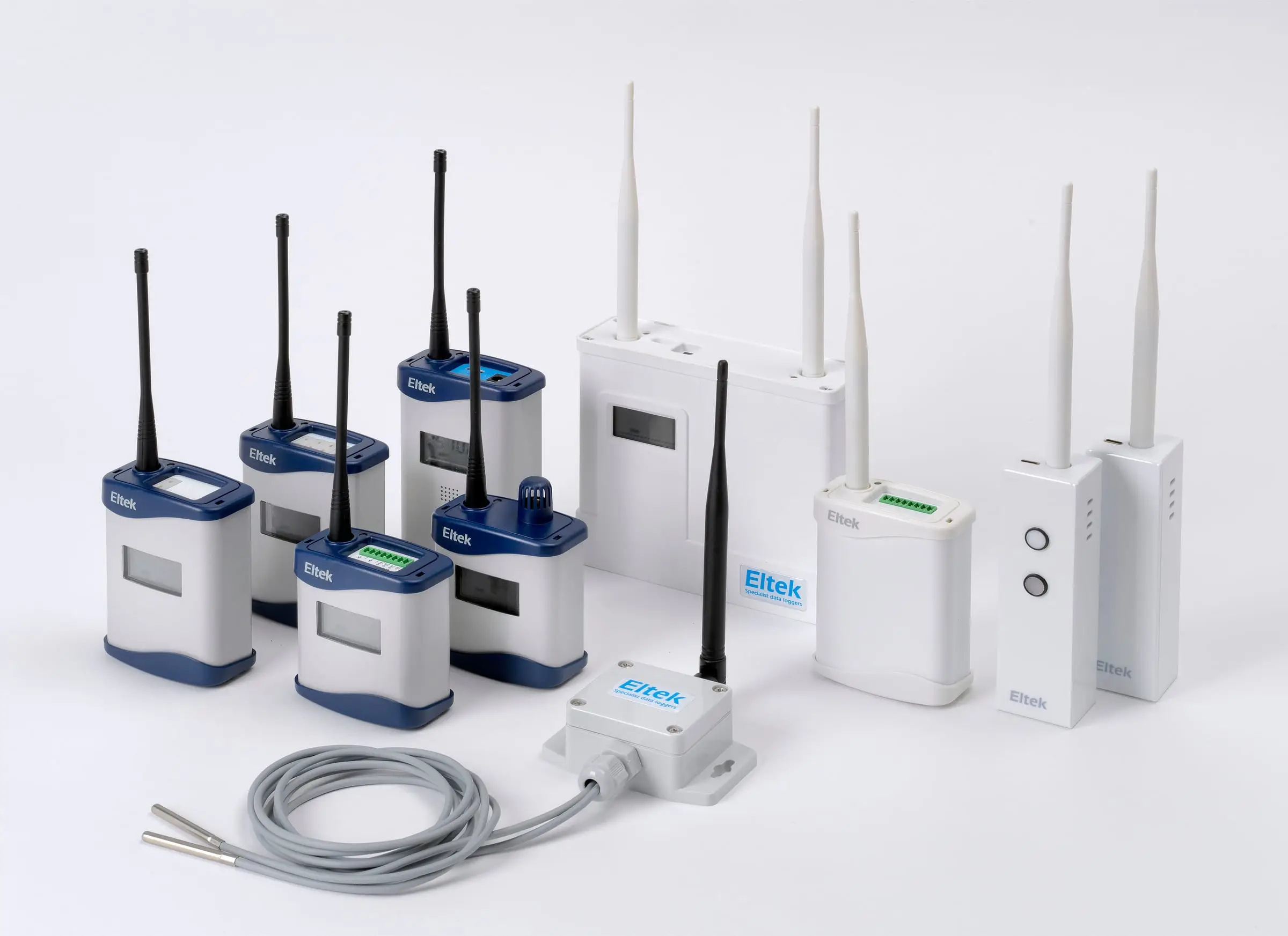
Eltek’s Darca Command platform, for example, keeps a secure, time-stamped audit trail and issues alerts the moment conditions drift, rather than waiting for someone to notice a problem in a log. Rather than replacing experienced teams, automation allows them to focus on responding to issues instead of collecting data.
Preparing for your next audit
Auditors increasingly expect organisations to demonstrate robust data integrity and evidence-based compliance. Having monitoring records stored across multiple spreadsheets can make preparing for an inspection time-consuming and stressful. Centralised monitoring platforms provide immediate access to historical records, alarm events and environmental trends, making audits faster and significantly easier to manage. In regulated settings such as laboratories and life science, that ready evidence is often the difference between a smooth inspection and a finding.
Is it time to move beyond spreadsheets?
Every organisation reaches a point where manual processes begin to limit efficiency and increase risk. If your team is spending more time entering data than acting on it, or if preparing for audits requires days of gathering spreadsheets from different locations, it may be time to consider a more automated approach.
Modern environmental monitoring isn’t simply about collecting data, it’s about improving visibility, reducing risk and giving organisations confidence that their compliance processes are working as intended.
Eltek’s Darca Solutions Suite helps organisations move beyond manual spreadsheets by bringing environmental monitoring data into one secure, central platform. With automated data collection, configurable alerts, comprehensive reporting and a complete audit trail, Darca helps simplify compliance while giving teams greater confidence in the integrity of their monitoring data. Whether you’re responsible for laboratories, museums, manufacturing facilities or commercial buildings, Darca provides the visibility needed to protect critical environments and support regulatory compliance.
Key takeaways
- Spreadsheets can record readings, but they are not compliant monitoring systems: they lack a secure audit trail, access control and real-time alerts.
- The five weak points are human error, no automatic audit trail, delayed response to excursions, version-control confusion, and poor scaling.
- For regulated work such as cold chain monitoring, proving data integrity to an auditor matters as much as collecting the data.
- Automated systems keep time-stamped, non-editable records and alert you the moment conditions drift, so audits become faster and less stressful.
- Software supports compliance, it does not replace it: your validation and procedures remain your responsibility.
Need this in your facility?
Moving beyond spreadsheets doesn’t have to be disruptive. Tell us what you monitor and our UK engineers will show you how Darca captures a secure, time-stamped audit trail automatically, no obligation.
See how Darca Command keeps audit-ready recordsFrequently asked questions
Are spreadsheets compliant for temperature monitoring?
Not on their own. A spreadsheet can store temperature readings, but it has no secure, non-editable audit trail, no access control and no real-time alerts, so it cannot reliably prove data integrity to an auditor. Regulated temperature monitoring needs a validated system that logs continuously and keeps tamper-evident records.
Are spreadsheets 21 CFR Part 11 compliant?
Generally no. 21 CFR Part 11 expects secure, time-stamped audit trails, access controls and trustworthy electronic records. A standard spreadsheet can be edited without leaving a complete audit trail, so it does not meet those expectations. Compliance also depends on your own validation and procedures, not on software alone.
What are the risks of manual temperature logging?
The main risks are human error such as typos and missed or deleted readings, no reliable audit trail, delayed response to excursions that can spoil products or damage collections, confusion between spreadsheet versions, and rising effort as you add monitoring points. Each one weakens the evidence you can show at an audit.
What should replace spreadsheets for environmental monitoring?
A dedicated environmental monitoring system that collects data automatically, keeps a secure audit trail, sends real-time alerts and produces audit-ready reports. Eltek’s Darca Solutions Suite does this across temperature, humidity and other conditions, including cold chain monitoring, so teams can act on issues instead of transcribing readings.
Get more insights like this
Get monitoring insights in your inbox
Practical guidance on compliance and environmental monitoring: mapping, audit trails, probe selection and multi-site reliability. Occasional, useful, no noise.
Unsubscribe any time. Your details are never shared.