Life Sciences Guide
ULT freezer mapping & validation: what laboratories forget to check
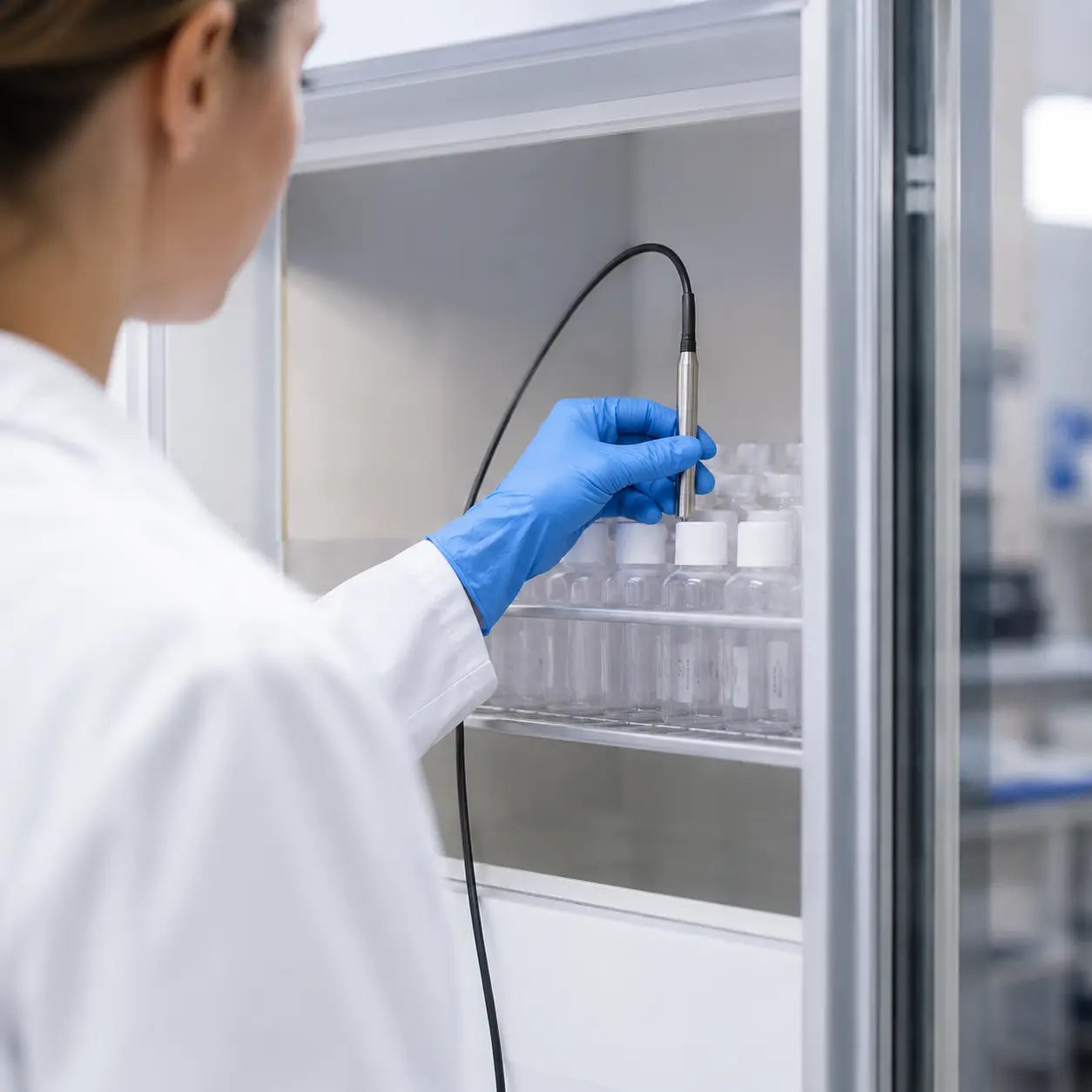
ULT freezers at −80 °C sit at the heart of modern laboratories and biobanks, yet mapping and validation are often misunderstood or treated as a one-off exercise, creating hidden compliance and operational risk. This guide covers what labs most often overlook.

−80 °C
ULT storage
6
Common oversights
24/7
Continuous monitoring
Mapping is not a box-ticking exercise
At −80 °C even small temperature variations can compromise sample integrity, accelerate degradation and create audit exposure. Mapping provides evidence-based confidence that samples are stored within limits under real operating conditions, not just ideal ones.
Six common oversights
Labs frequently: (1) map once at commissioning and never re-map as performance drifts; (2) map an empty freezer rather than a realistic, worst-case load; (3) skip door-open events, the biggest driver of excursions; (4) confuse periodic mapping with continuous monitoring, leaving blind spots between validation points; (5) rely on editable spreadsheets with weak data integrity; and (6) never actually validate the alarm strategy, its thresholds, escalation delays and out-of-hours delivery.
Closing the gap with GENII
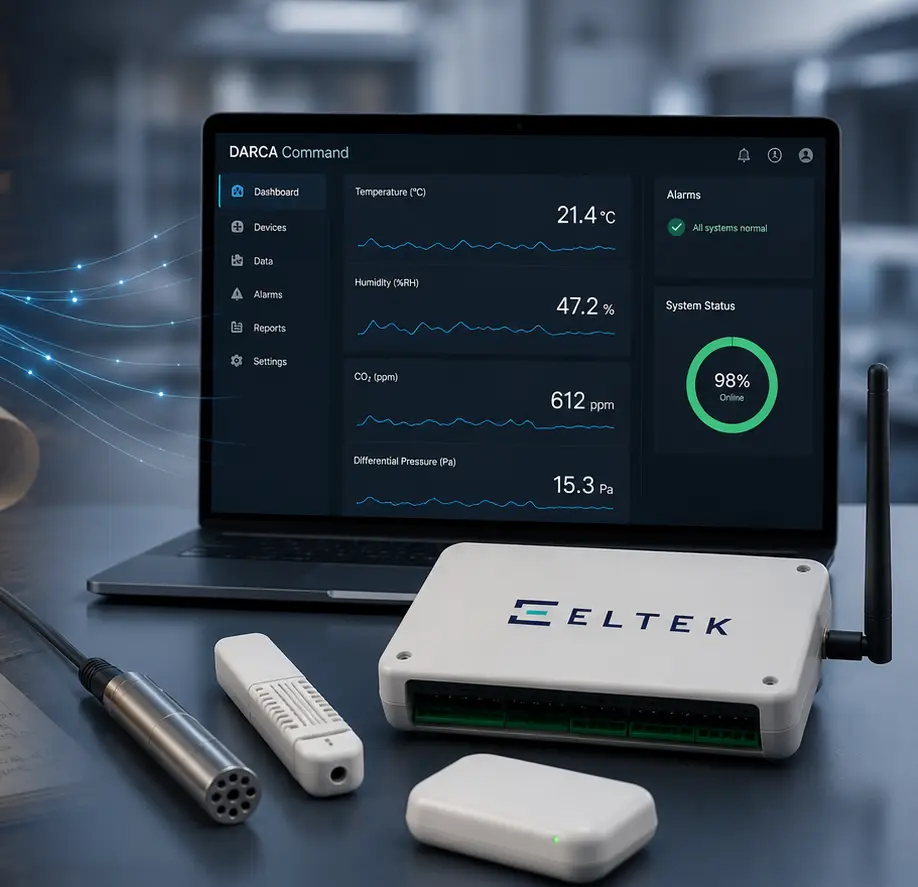
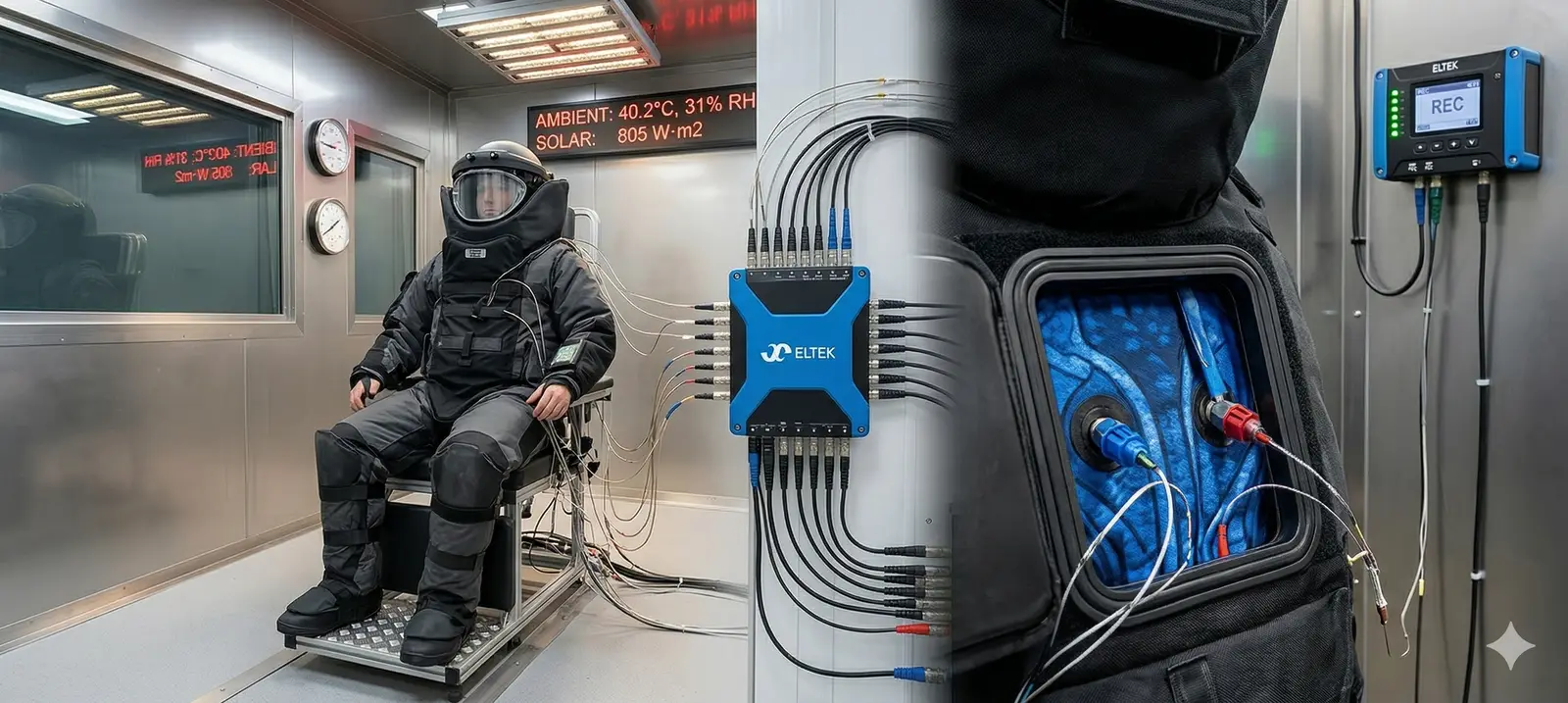
ELTEK GENII loggers support dense sensor placement without excessive cabling for true spatial profiling, capture real door-open behaviour, and bridge mapping and 24/7 monitoring in one ecosystem, with time-stamped, secure records and multi-stage alarm validation. Mapping and validation are a living process, not a static report.
The platform
The Darca solutions behind it
One connected platform, Collect, Connect and Command, configured for this application.