Insight
The Biggest Data Integrity Mistake We Still See in Laboratories
One of the biggest risks to data integrity in a regulated lab isn’t the analytical equipment, it’s how environmental monitoring data is collected and trusted. Why continuous monitoring turns readings into evidence.
The Eltek Engineering Team6 min read
Walk into almost any regulated laboratory today and you’ll find sophisticated analytical equipment, validated processes and highly trained staff. Yet one of the biggest risks to data integrity often isn’t the laboratory equipment at all, it’s how environmental monitoring data is collected, managed and trusted.
Despite advances in digital technologies, many laboratories still rely on manual checks, disconnected monitoring systems or paper-based records to demonstrate environmental control. While these approaches may appear to satisfy routine monitoring requirements, they can create significant challenges during investigations and regulatory inspections.
The issue is not simply missing data. It’s confidence in the integrity of the data itself.
What does good laboratory temperature monitoring need to prove?
For regulated work, laboratory temperature monitoring has to do more than record a number twice a day. It needs a complete, continuous environmental history, secure audit trails and traceable user actions, so conditions can be reconstructed during an investigation and the data trusted as evidence, not just kept as a daily record.
The biggest mistake: Treating environmental monitoring as a record rather than evidence
Temperature, humidity, CO₂, differential pressure and freezer conditions are often viewed as operational records that need to be completed each day.
However, regulators increasingly view environmental monitoring differently.
They see it as evidence that critical environments remained under control throughout manufacturing, testing or storage activities.
If that evidence cannot be trusted, the discussion quickly moves beyond monitoring and into questions about product quality, sample integrity and overall quality management.
Where laboratories unintentionally create risk
One of the most common scenarios looks something like this:
A refrigerator is checked manually twice each day. At 9:00 am, the recorded temperature is within specification. At 5:00 pm, the recorded temperature is also within specification. Everything appears compliant.
However, what happened between those two readings?
If the refrigerator experienced a two-hour temperature excursion during the afternoon before returning to normal, the manual record provides no indication that it ever occurred.
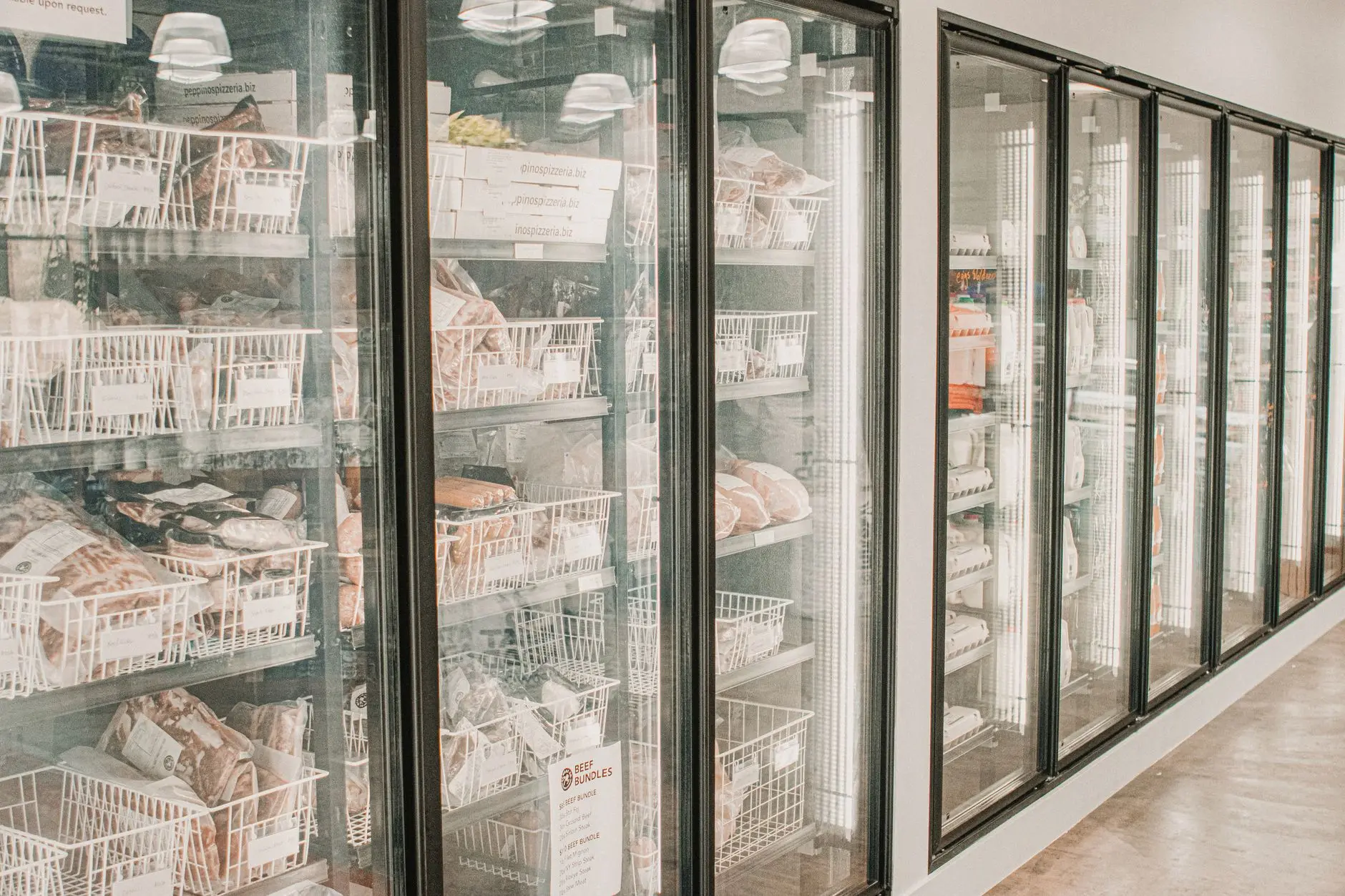
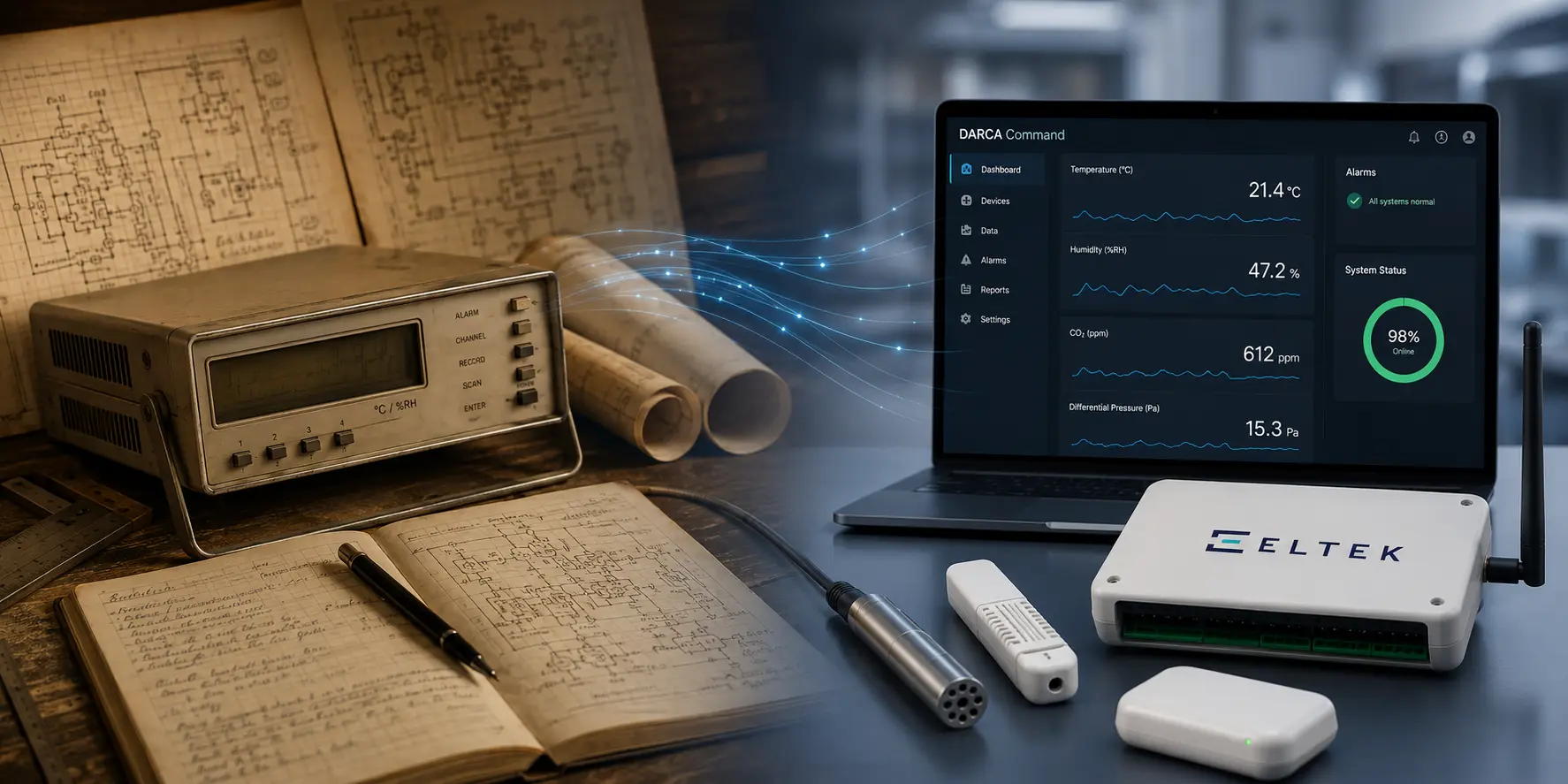
For laboratories storing valuable biological samples, stability studies, vaccines or pharmaceutical materials, this gap could have significant implications. It is exactly the risk that continuous cold chain monitoring is designed to close.
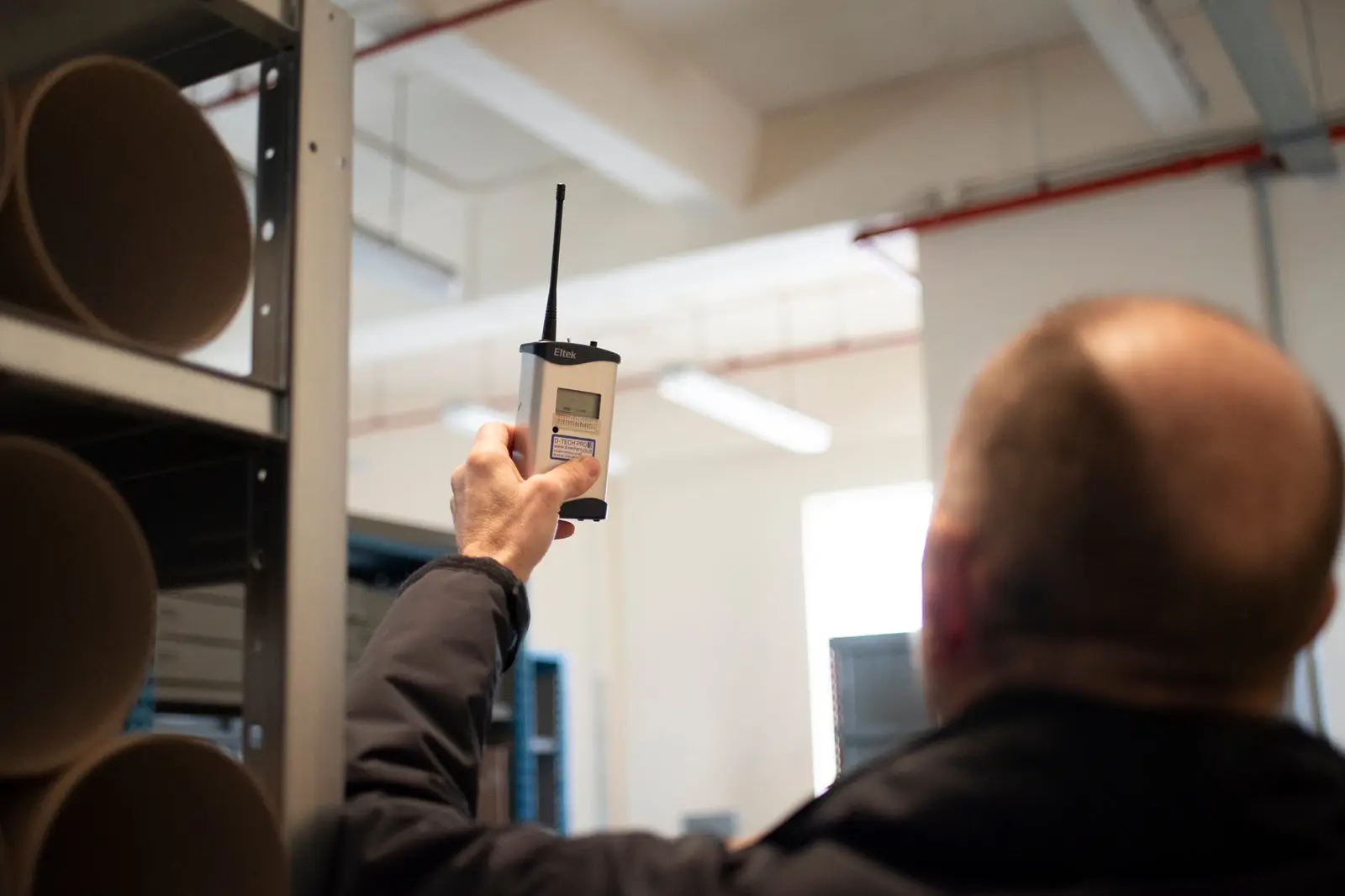
Continuous monitoring removes this uncertainty by providing a complete environmental history rather than isolated snapshots.
Data integrity is about more than electronic records
Many organisations associate data integrity solely with electronic signatures or compliance with regulations such as 21 CFR Part 11.
While these are important considerations, genuine data integrity is much broader.
Laboratories should be able to answer questions such as:
- Can every data point be traced back to its source?
- Can changes to alarm limits be fully audited?
- Are all user actions recorded?
- Is missing data immediately visible?
- Can environmental conditions be reconstructed during an investigation?
If the answer to any of these questions is uncertain, opportunities exist to strengthen both compliance and operational resilience.
Investigations should begin with facts, not assumptions
When an environmental excursion occurs, QA teams are often placed under pressure to determine:
- What happened?
- When did it happen?
- How long did it last?
- Which materials may have been affected?
- Who responded?
- What corrective actions were taken?
The quality of these investigations depends entirely on the quality of the available data.
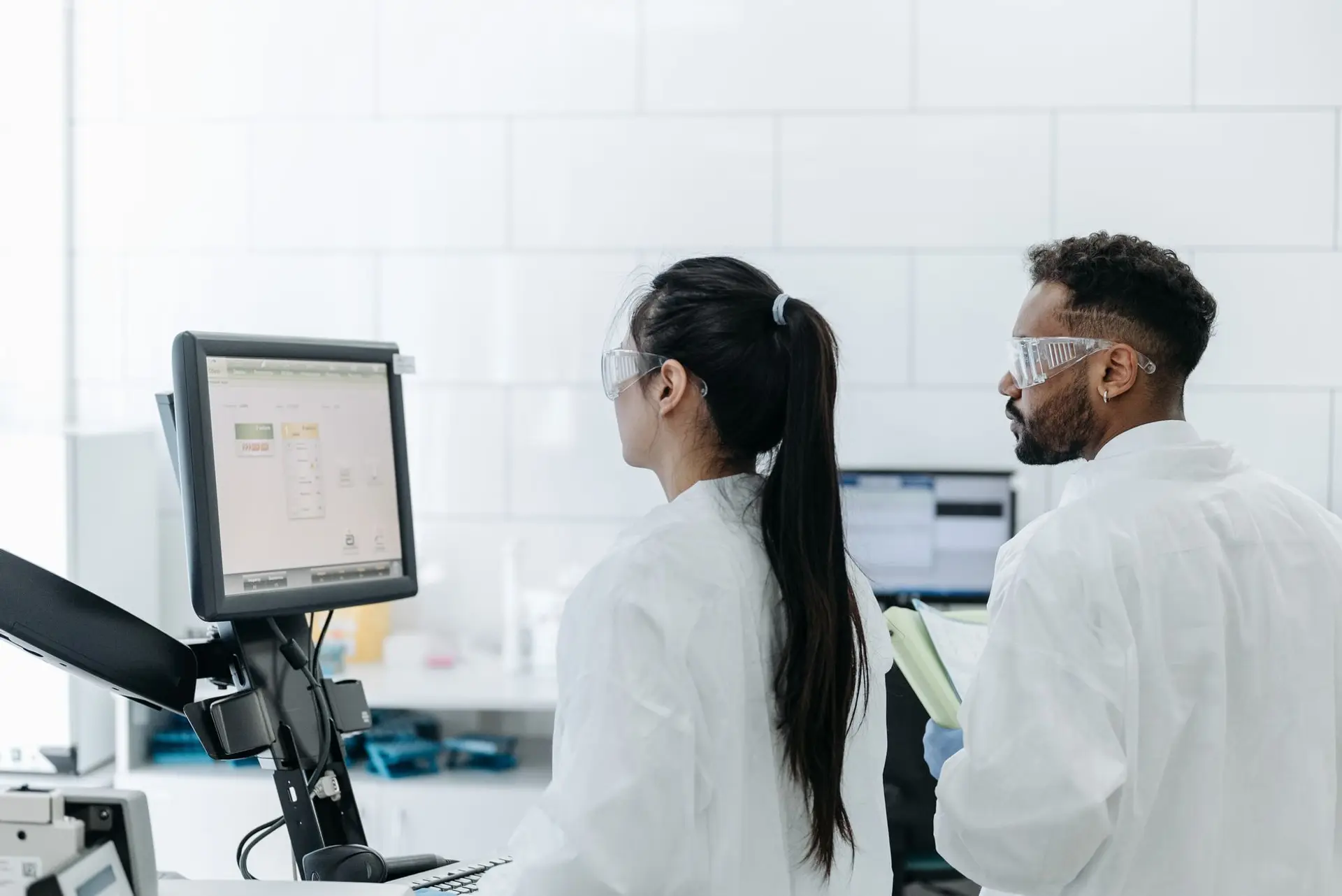
Comprehensive, continuous environmental monitoring allows investigations to be based on objective evidence rather than assumptions or incomplete records, reducing both investigation time and uncertainty.
Building confidence before the inspector arrives
Regulatory inspections rarely focus on a single temperature reading.
Instead, inspectors want confidence that systems consistently operate as intended, alarms are managed appropriately and records accurately reflect what occurred.
Laboratories that can quickly demonstrate complete environmental histories, documented alarm responses, user accountability and secure audit trails are generally in a stronger position to support inspections efficiently.
More importantly, these same capabilities improve day-to-day operational decision making long before an auditor visits.
Moving beyond compliance
Environmental monitoring should not be viewed simply as a compliance requirement.
It is a critical component of laboratory quality, operational efficiency and risk management.
By replacing fragmented or manual processes with continuous, centralised monitoring, laboratories gain greater visibility, respond faster to issues and strengthen confidence in the integrity of the data that supports every quality decision.
Ultimately, the objective is not simply to collect more data.
It is to ensure the data can always be trusted.
About Eltek Darca Command
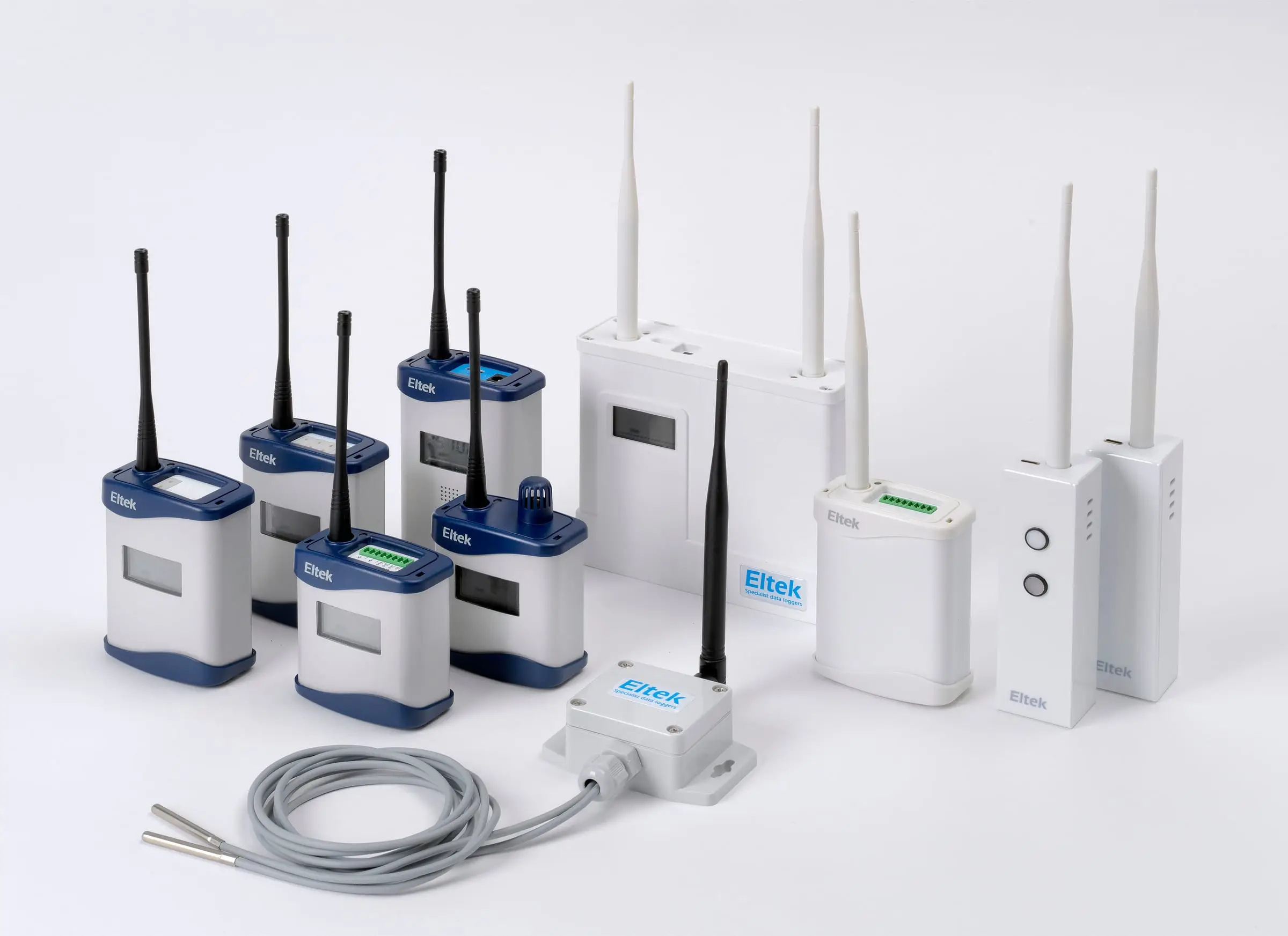
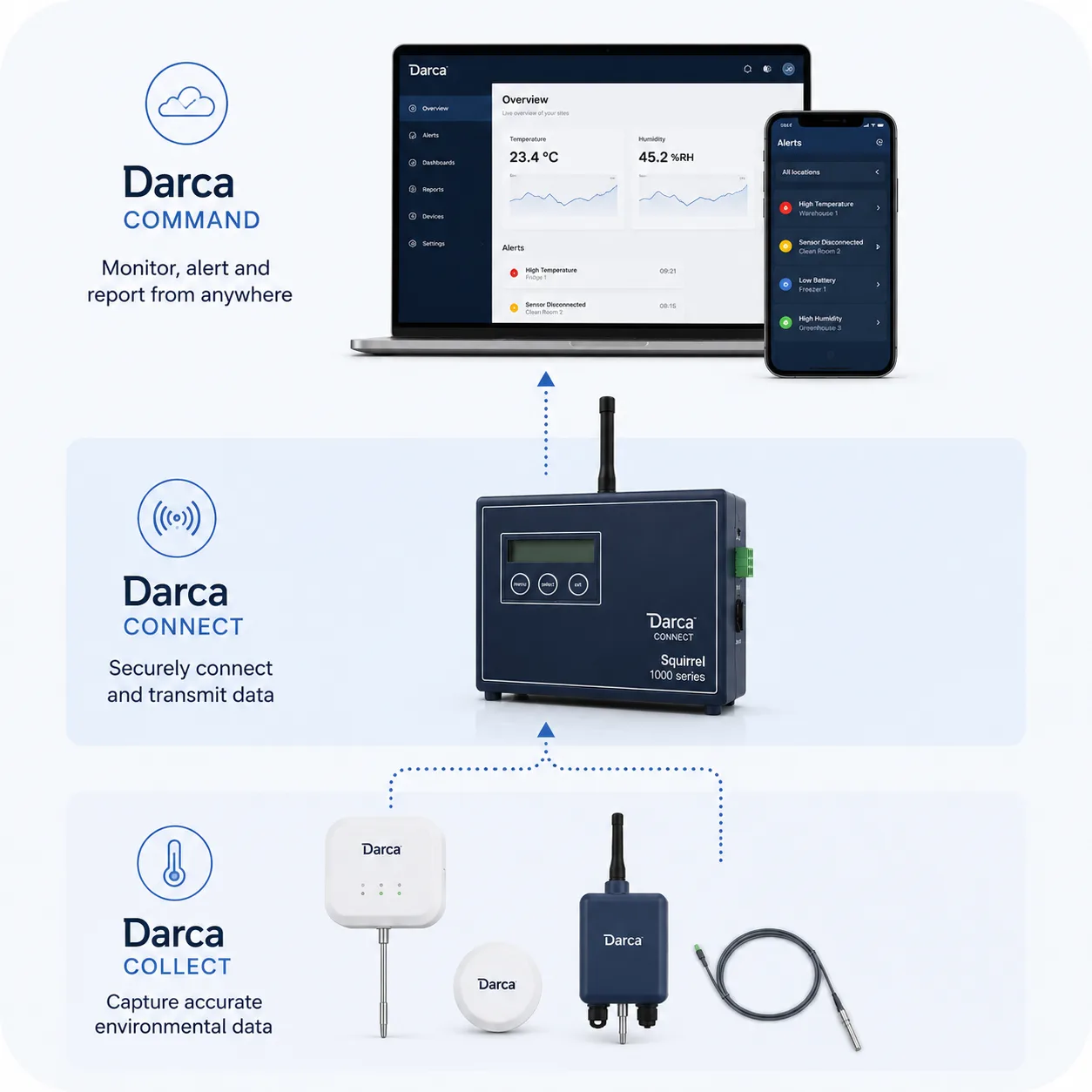
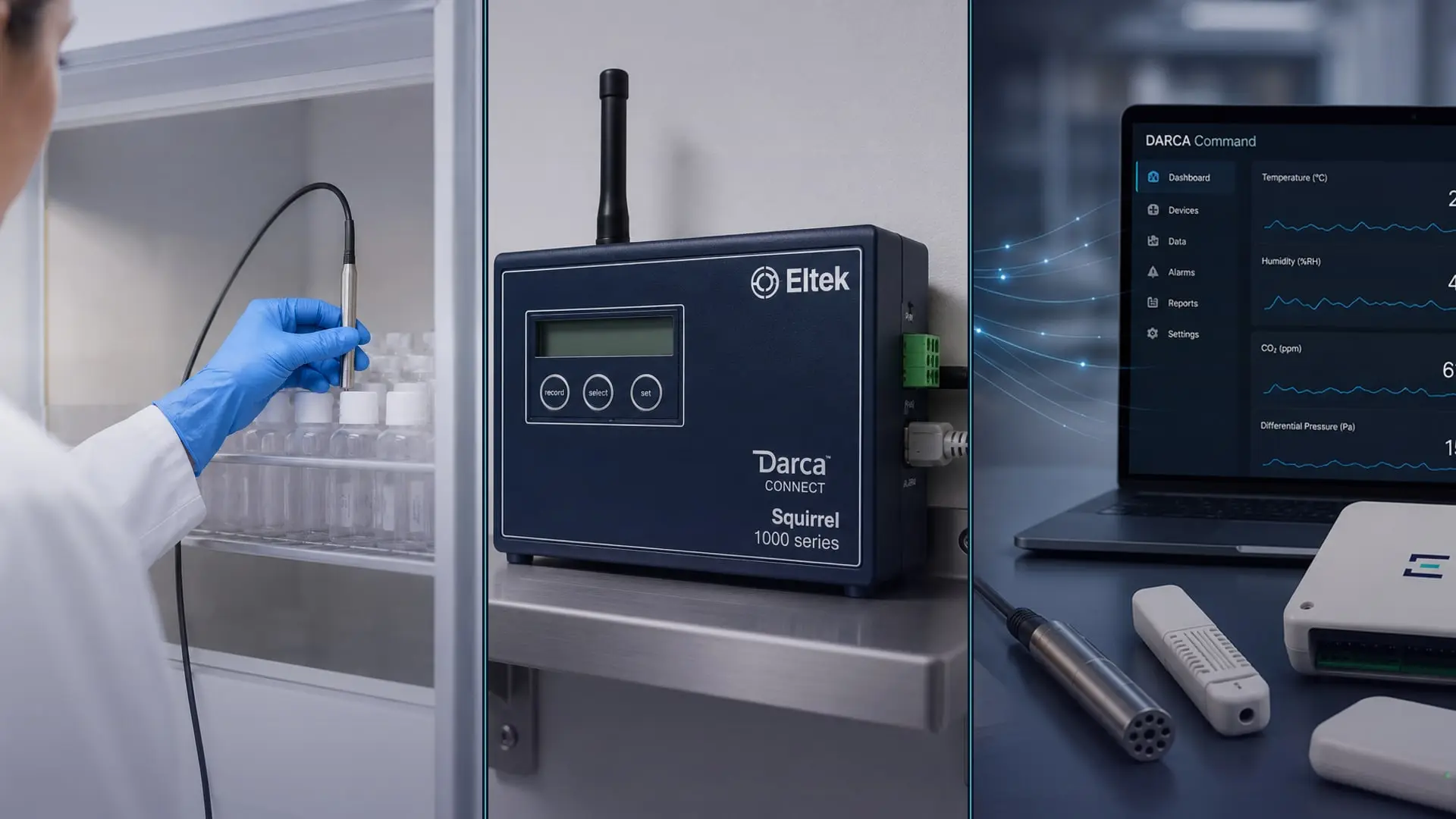
Eltek’s Darca Command environmental monitoring platform is designed to provide continuous visibility across laboratories, cleanrooms, cold storage, stability chambers and other critical environments.
By combining automated data collection, configurable alarms, audit trails and centralised reporting, Darca Command helps laboratories improve operational oversight while supporting robust data integrity and inspection readiness.
Key takeaways
- The biggest data-integrity risk in many labs isn’t the analytical equipment, it’s how environmental monitoring data is collected, managed and trusted.
- Regulators increasingly treat environmental monitoring as evidence that critical environments stayed under control, not just a daily record to complete.
- Manual checks leave blind spots: a two-hour excursion between two in-specification readings never appears in the log.
- Genuine data integrity means every data point is traceable, auditable and reconstructable, not simply electronically signed.
- Continuous laboratory temperature monitoring lets investigations start from objective evidence and strengthens inspection readiness.
Need this in your facility?
See how continuous environmental monitoring strengthens data integrity across your laboratory. Tell us what you monitor and our UK engineers will arrange a Darca Command demonstration, no obligation.
Arrange a Darca Command demonstrationFrequently asked questions
What is GxP temperature monitoring?
GxP temperature monitoring is continuous, evidence-grade monitoring of temperature and related conditions in regulated environments such as laboratories, cold storage and stability chambers. Beyond recording readings, it maintains secure audit trails, alarm records and traceable user actions, so an organisation can demonstrate that conditions stayed under control throughout storage, testing or manufacturing.
Why isn’t manual laboratory temperature monitoring enough for data integrity?
Manual checks capture isolated snapshots. A reading in specification at 9:00 am and again at 5:00 pm cannot show whether an excursion happened in between. Continuous laboratory temperature monitoring provides a complete environmental history, so investigations begin from objective evidence rather than assumptions or incomplete records.
Does continuous monitoring replace 21 CFR Part 11 compliance?
No. Genuine data integrity is broader than electronic signatures or any single regulation. Continuous monitoring supports compliance by keeping secure, traceable, auditable records and making missing data visible, but your own validation, procedures and quality management remain your responsibility.
How does Eltek’s Darca Command support data integrity?
Darca Command combines automated data collection, configurable alarms, secure audit trails and centralised reporting across laboratories, cleanrooms, cold storage and stability chambers. That gives continuous visibility and the environmental history needed to support investigations, inspection readiness and everyday quality decisions.
Get more insights like this
Get monitoring insights in your inbox
Practical guidance on compliance and environmental monitoring: mapping, audit trails, probe selection and multi-site reliability. Occasional, useful, no noise.
Unsubscribe any time. Your details are never shared.