
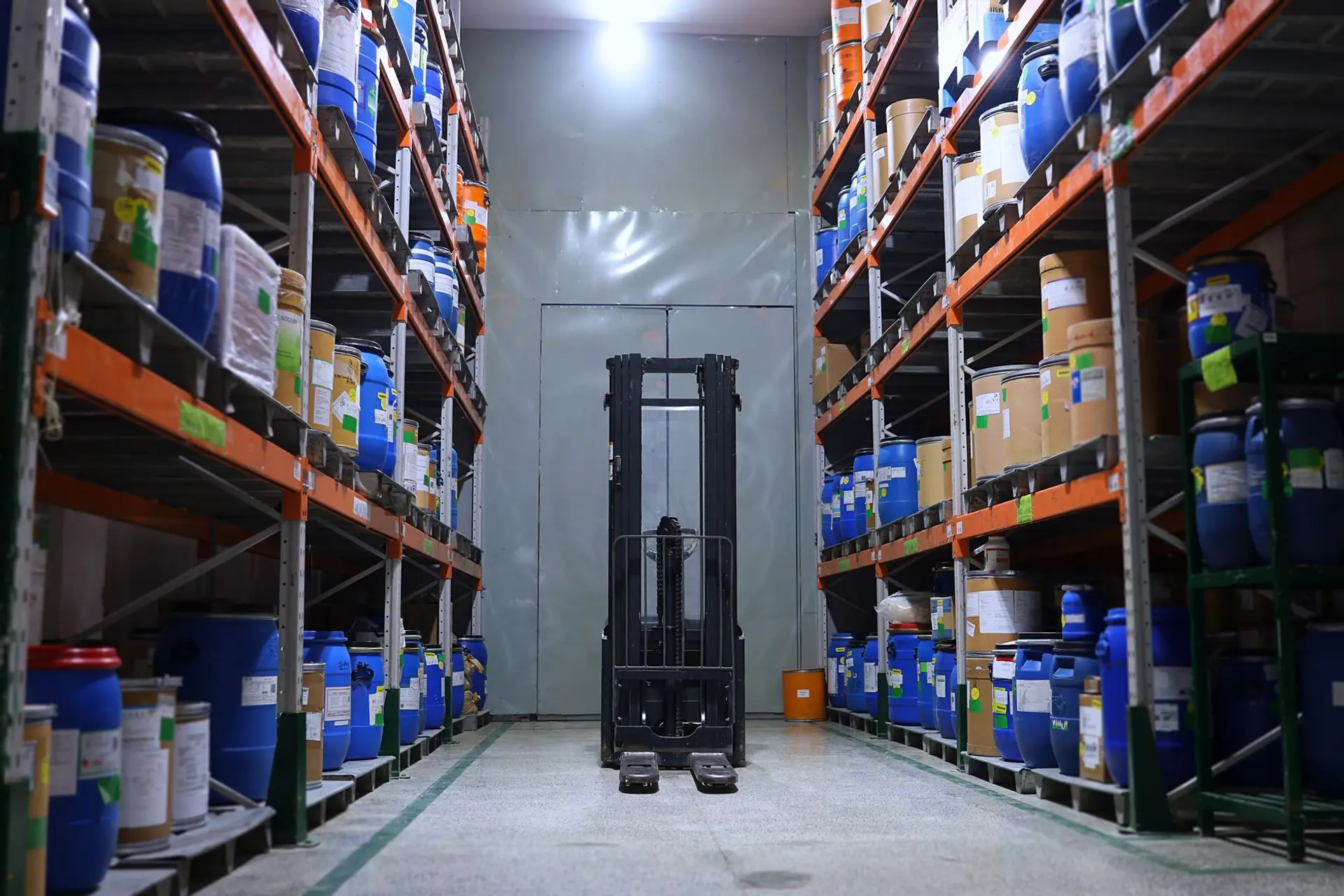
Keep the pharmaceutical cold chain unbroken, and evidenced
Continuous monitoring of the cold rooms, refrigerators and freezers that hold temperature-sensitive product, with mapping before use, alarms that escalate an excursion, and the audit-ready records EU Good Distribution Practice expects.
Trusted in pharmaceutical cold chain, GxP laboratories and ultra-low temperature storage across the UK.
Trusted by life sciences teams at









The problem
The cold chain is where product value and patient safety meet
A pharmaceutical cold chain fails quietly. A cold room recovers after a door is left open, a freezer drifts overnight, one refrigerator among dozens creeps out of range, and unless something was watching continuously, the first anyone knows is a stock write-off or a question no one can answer. The costly part is rarely the excursion itself; it is being unable to show when it started, how far conditions moved and how long they lasted. EU Good Distribution Practice answers that by expecting storage to be mapped before use and then monitored continuously with calibrated equipment. Eltek has monitored regulated storage for over 40 years, and pairs mapping with continuous 24/7 monitoring in one connected system, with GD14e transmitters logging temperature and humidity at each cold store.
What makes a good pharmaceutical cold chain monitoring system?
A pharmaceutical cold chain monitoring system continuously tracks the temperature of the cold rooms, refrigerators and freezers that hold temperature-sensitive product, with calibrated sensors, mapping before use and alarms that escalate an excursion. Under EU GDP the storage is mapped then monitored, so a facility can evidence, for every batch, that the chain held.
Track record
Is there a UK cold-chain monitoring supplier for pharmaceutical storage?
Eltek is a UK environmental monitoring supplier for the pharmaceutical cold chain, with four decades of UK engineering since 1985 and more than 40,000 GenII wireless transmitters deployed worldwide. Its loggers, sensors and Darca software monitor fridges, freezers and cold rooms continuously, escalate alarms the moment a unit drifts out of range, and hold the time-stamped records a GDP inspection expects. No monitoring system makes a facility compliant on its own; configuration depends on system implementation and customer processes.
The challenge
What makes cold chain monitoring so unforgiving?
Door-open events and overnight drift
The biggest driver of excursions is rarely a failure, it is a door held open on a busy day or a slow drift overnight when nobody is on site. A spot check the next morning shows the recovered temperature, not the hours it spent out of range. Optional door and contact inputs can identify whether an excursion was caused by frequent access or a door left open, so an investigation starts with the event record rather than a recollection.
One unit among many
A site can run dozens of cold rooms, refrigerators and freezers. Monitoring them as separate standalone loggers means the one that drifts is the one nobody happened to check, and there is no single record to put in front of an inspector. When storage spans multiple locations, including satellite stores or clinical areas away from the main site, equipment in a remote location is the hardest to reach for a manual check and the most likely to go undetected.
Mapping is a requirement, not a nicety
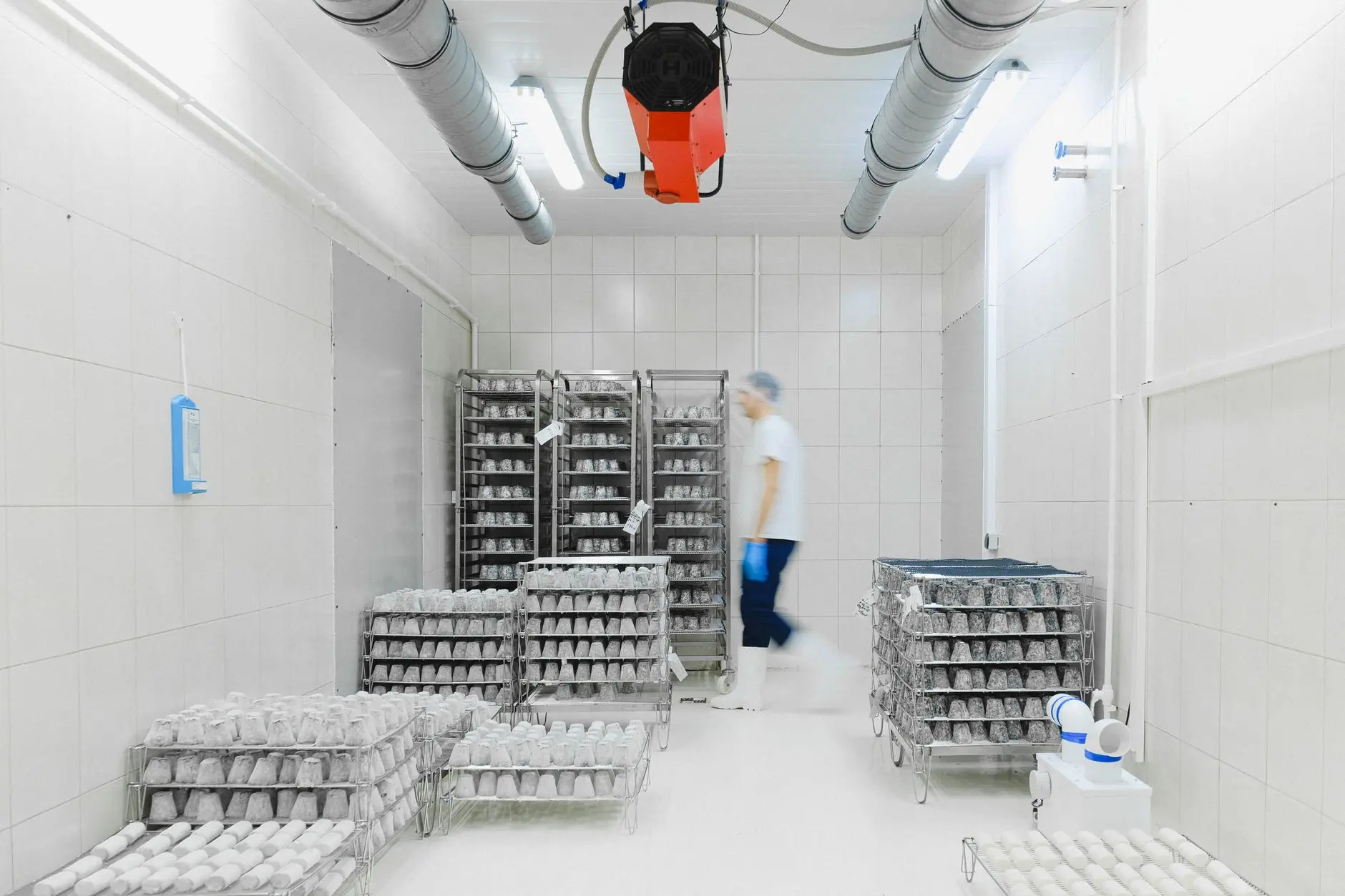
EU GDP expects a storage area to be temperature-mapped before it is used, so the warm and cold spots are known and sensors sit where they actually matter. A monitor placed by convenience rather than by mapping can read in range while product sits out of it.
The excursion you cannot evidence
When product value or patient safety is in question, the record has to answer for itself: when, where, how far and how long. Paper rounds and disconnected loggers leave exactly the gaps a regulator, or your own recall decision, cannot afford.
The solution
How Eltek monitors a pharmaceutical cold chain
Four principles: map the storage before you trust it, monitor every unit continuously into one record, escalate an excursion before stock is lost, and calibrate against traceable standards so the evidence holds.
Every cold room, fridge and freezer on one system
Wired PT probes and wireless GenII transmitters monitor cold rooms, refrigerators, freezers and warehouse storage continuously, including equipment in satellite locations, so an estate of units reports into one platform rather than a drawer of standalone loggers. Each unit's monitoring is independent of its own internal display and control system, so a drift the cabinet itself did not flag is still captured; optional door and contact inputs help identify whether an excursion followed frequent access or a door left open; and local buffering in each transmitter keeps the record intact during a network interruption.
Mapping before use, monitoring after
Eltek maps a cold room or warehouse under a realistic load to find its warm and cold spots, then leaves continuous monitoring in the same ecosystem, so the sensors that prove day-to-day conditions sit exactly where the mapping said they should.
Alarms that escalate before stock is lost
SMS450 and Darca Connect turn a threshold breach into configurable grouped SMS and email alerts that reach the right person, including out of hours, with multi-stage escalation to a second designated responder if the initial alert goes unacknowledged, so a door-open event or an overnight drift is caught while there is still time to save the stock.
Audit-ready GDP records
Darca Command holds a continuous, time-stamped, tamper-evident record of every monitored point, with trends and scheduled reports, together with alarm events and acknowledgement history, so you can evidence for any period, and any batch, that the cold chain held, and show who received and acted on each alert.
Calibration you can defend
Sensors carry UKAS-traceable calibration, so a reading means what it says against a national standard when a regulator, an auditor or a recall decision turns on it.
Hardware reference
The transmitters and receivers in an Eltek cold-chain system
Each transmitter and receiver below links to its product page.
| Product | What it is | Role in a cold-chain system |
|---|---|---|
| GD14e | Wireless transmitter for humidity and multi-point temperature | Multi-point temperature and humidity at the unit |
| GD24 | Wireless transmitter for K and T thermocouples | Thermocouple temperature points (temperature only) |
| GD52a | Wireless transmitter for 4-wire RTD temperature probes | RTD temperature points (temperature only) |
| SMS450 | Receiver logger with grouped text-message alarms | Receiver logger that raises grouped text-message alarms |
| SRV450 | Receiver logger and wireless hub for your site | Receiver logger and wireless hub that collects transmitter readings |
Standards and guidance
What standards apply to pharmaceutical cold chain storage?
In the UK, the storage and distribution of medicinal products is governed by the EU Guidelines on Good Distribution Practice of medicinal products for human use (2013/C 343/01), retained in UK law and overseen by the MHRA. Its chapter on premises and equipment expects storage areas to be temperature-mapped before use, repeated on a risk basis and after significant change, and then monitored with equipment calibrated at defined intervals. That is the reason mapping and continuous monitoring belong together rather than as two separate exercises.
For temperature-sensitive product more broadly, the WHO Model guidance for the storage and transport of time- and temperature-sensitive pharmaceutical products (WHO Technical Report Series, No. 961, Annex 9) sets out the same principle internationally: qualified, mapped storage, continuous monitoring with calibrated devices, and a documented response to excursions.
Running alongside both is the MHRA “GXP” Data Integrity Guidance and Definitions (March 2018). It is not enough to hold the right temperature; the record of it has to be complete, contemporaneous and protected from undetected change, which is what turns a monitored cold chain into a defensible one. The full framework-by-framework picture sits on the compliance page.
None of this is satisfied by a product on its own. The obligations sit with the organisation storing and distributing the product: to map, to monitor, to review the record and to act on an excursion. What a monitoring system supplies is the calibrated evidence and the controls behind it, so that when the question is whether the cold chain held, the answer is the record itself.
The platform
The Darca Suite
One connected suite, wired and wireless, for mapping and monitoring cold rooms, refrigerators, freezers and warehouse storage.
Darca Collect
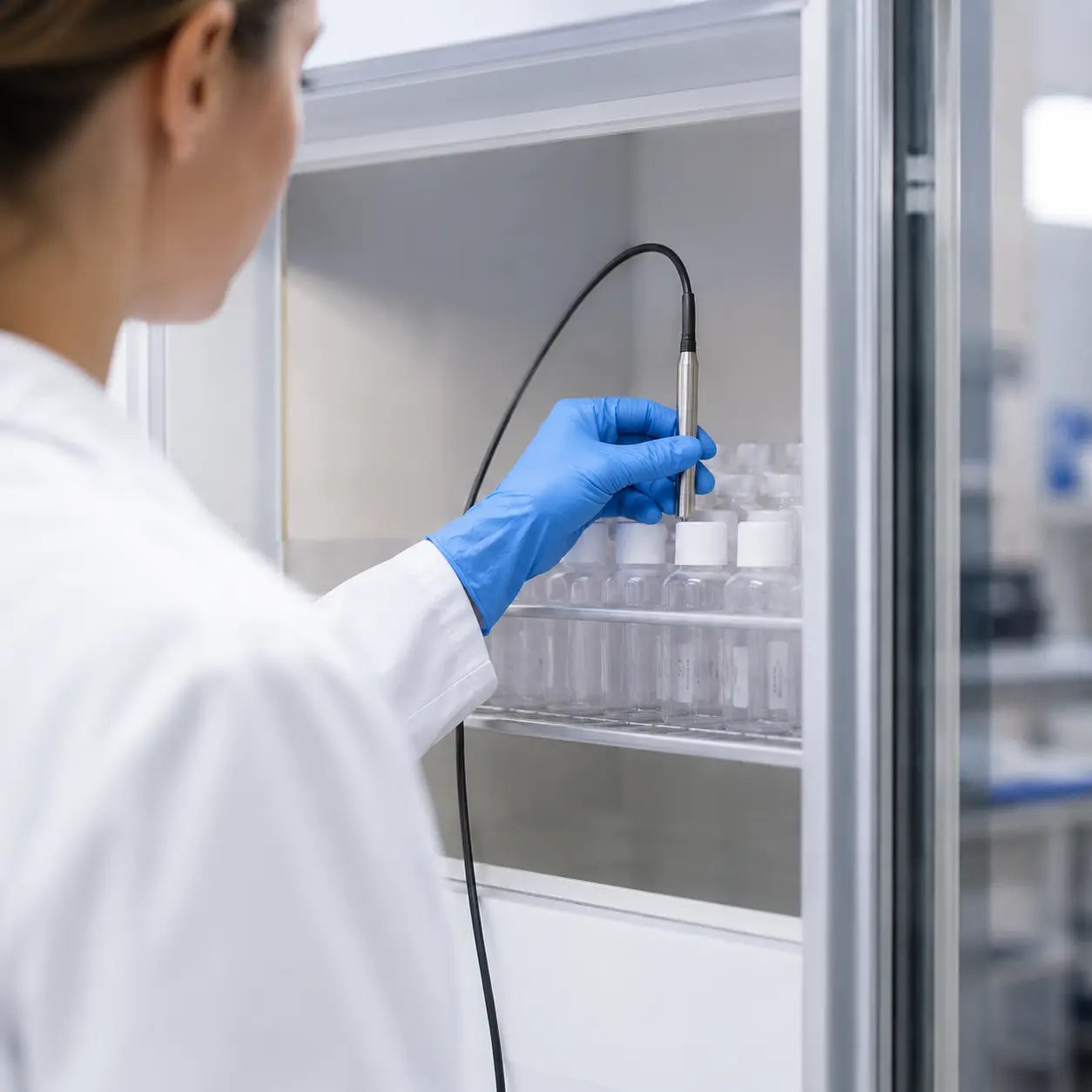
Wired PT probes and wireless GenII transmitters monitor cold rooms, refrigerators, freezers and warehouse storage, calibrated against UKAS-traceable standards and placed where a mapping study says conditions actually matter.
Explore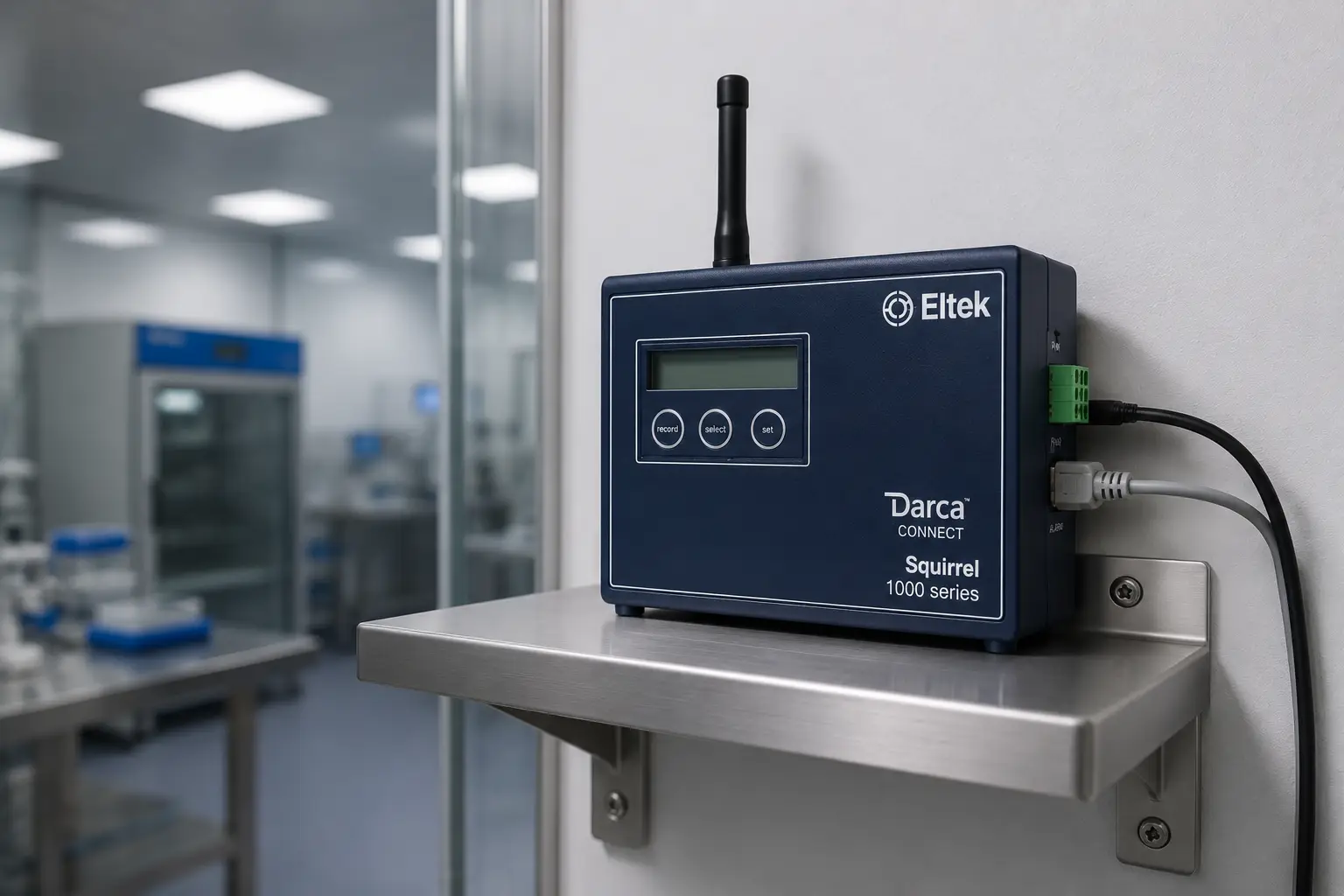
Darca Connect
The SRV450 hub relays the network securely and SMS450 escalates an out-of-tolerance excursion by grouped SMS and email, including out of hours, before stock is lost. Darca Connect gives a central view of current conditions across all monitored locations, with configurable alarms and multi-stage escalation so a second designated responder is contacted if an initial alert goes unacknowledged.
Explore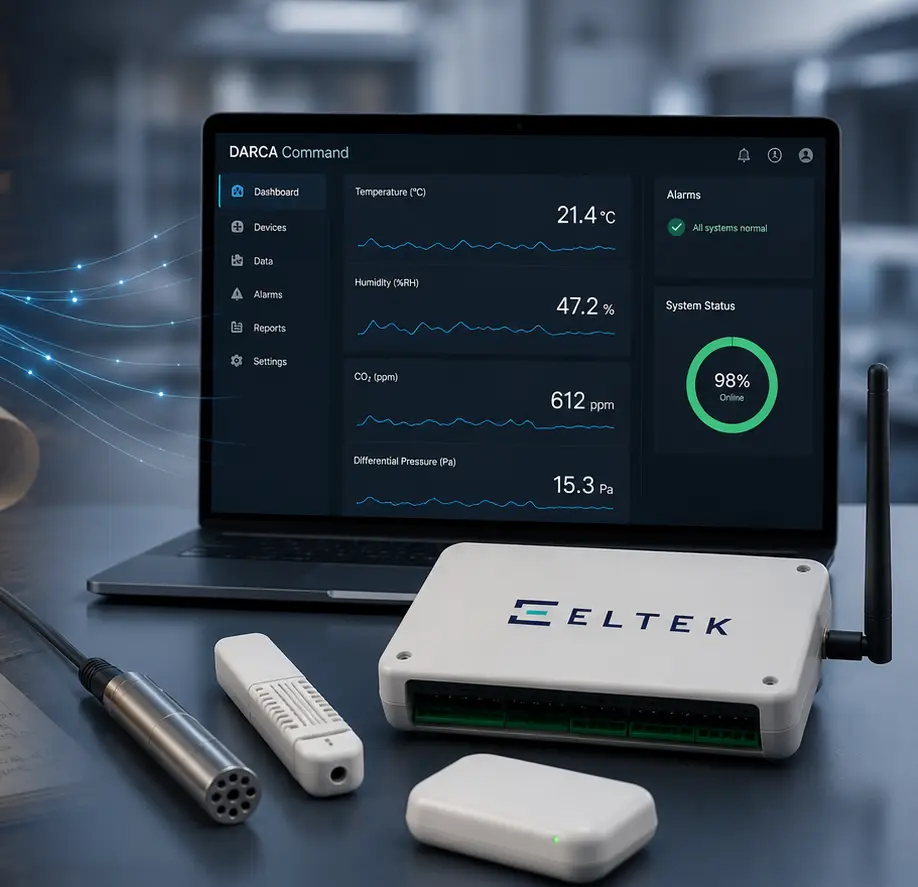
Darca Command
Darca Command holds continuous, time-stamped, tamper-evident records with trends, scheduled reports and audit trails, so you can evidence GDP-compliant storage for any period and any batch.
ExploreProven in regulated storage
Mapping and continuous monitoring, in one ecosystem, for storage that has to be defensible
Eltek has monitored regulated storage in the UK for over 40 years, from GxP laboratory refrigerators to ultra-low temperature biobank freezers. The same GenII loggers that run a temperature-mapping study stay in place for continuous 24/7 monitoring, so the evidence that a cold room, fridge or freezer held its conditions is captured in one connected system, backed by UKAS-traceable calibration and tamper-evident audit trails. Eltek supplies that evidence and the controls behind it; validation of the storage in its intended use stays yours.
- EU GDP 2013/C 343/01
- WHO TRS 961, Annex 9
- MHRA data integrity
- UKAS-traceable calibration
Speak to an Eltek expert
Tell us about your cold rooms, refrigerators, freezers and warehouse storage, and our UK engineers will map the storage and set up the continuous monitoring and alarms that evidence a compliant cold chain.
Related reading
Equipment we monitor
Cold rooms, refrigerators, freezers, ULT and warehouse storage, and how each is mapped and monitored.
Read moreLife Sciences compliance
EU GDP, MHRA data integrity and EU GMP Annex 11, and exactly what Eltek supplies versus what stays yours.
Read moreTemperature mapping guide
What a mapping study proves, how to run one, sensor placement, duration, UK compliance expectations, and the equipment behind it.
Read moreMore in Life Sciences
Pharmaceutical Manufacturing
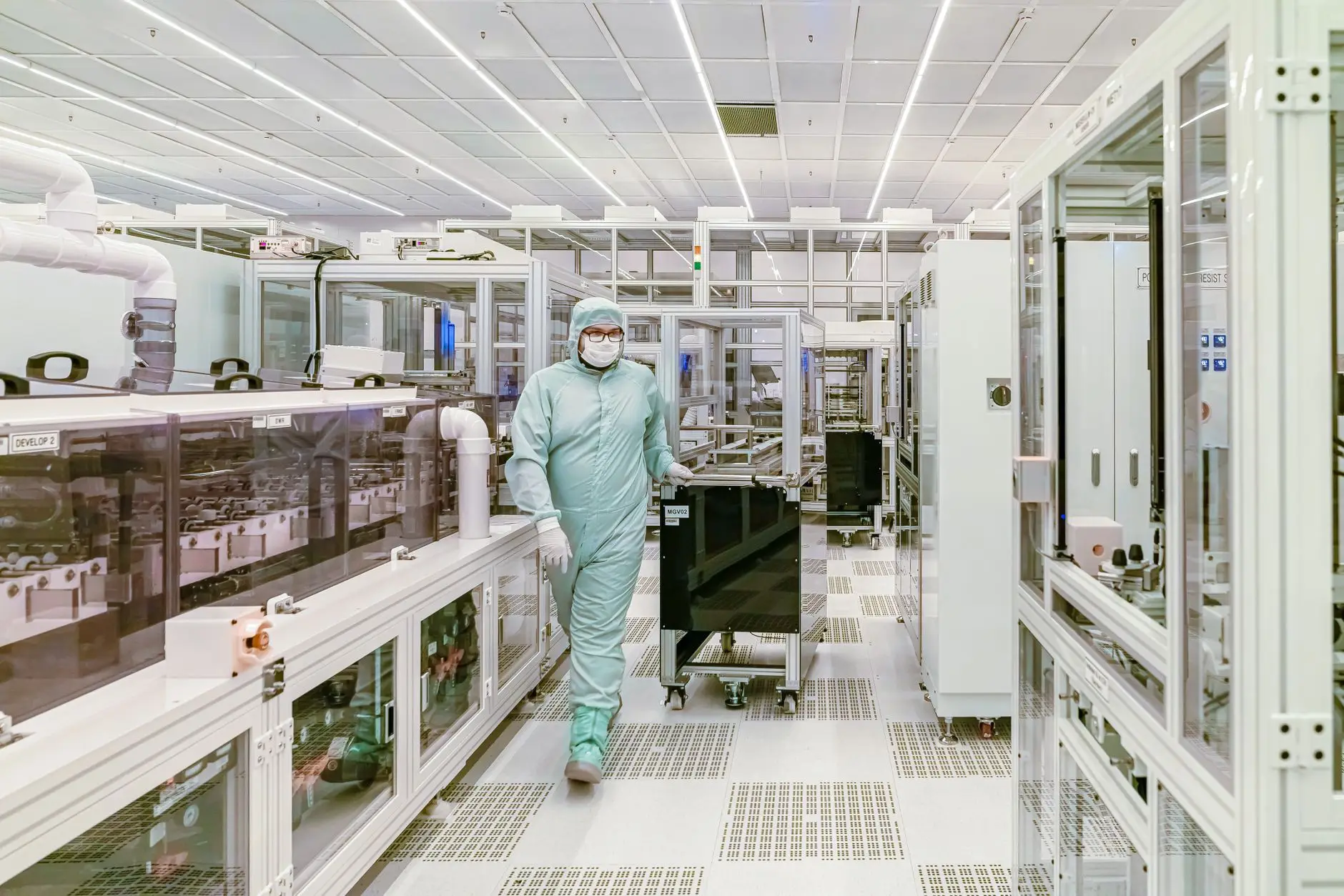
GMP sites, cleanrooms, cold rooms and stability storage. Continuous monitoring and audit-ready records for the environments a regulated batch depends on.
Explore
IVF & Fertility Clinics
Incubators, cryogenic storage and the embryology lab. Continuous monitoring and instant alarms for samples that can never be replaced.
Explore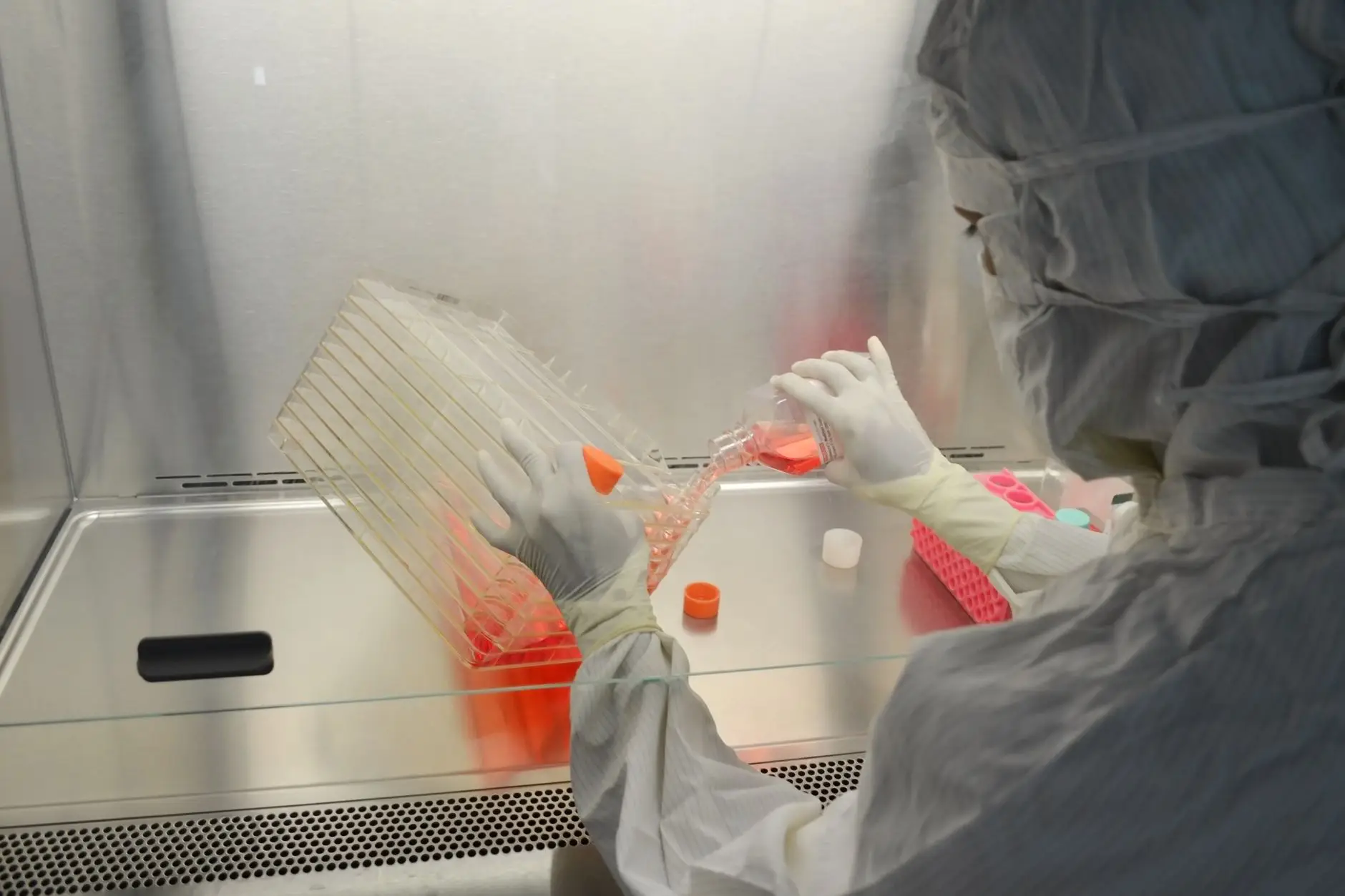
Biotechnology & Cell and Gene Therapy
Cell and gene therapy, ATMPs and biotech. Continuous monitoring of cryogenic storage, cleanrooms and process areas, with audit-ready data integrity.
Explore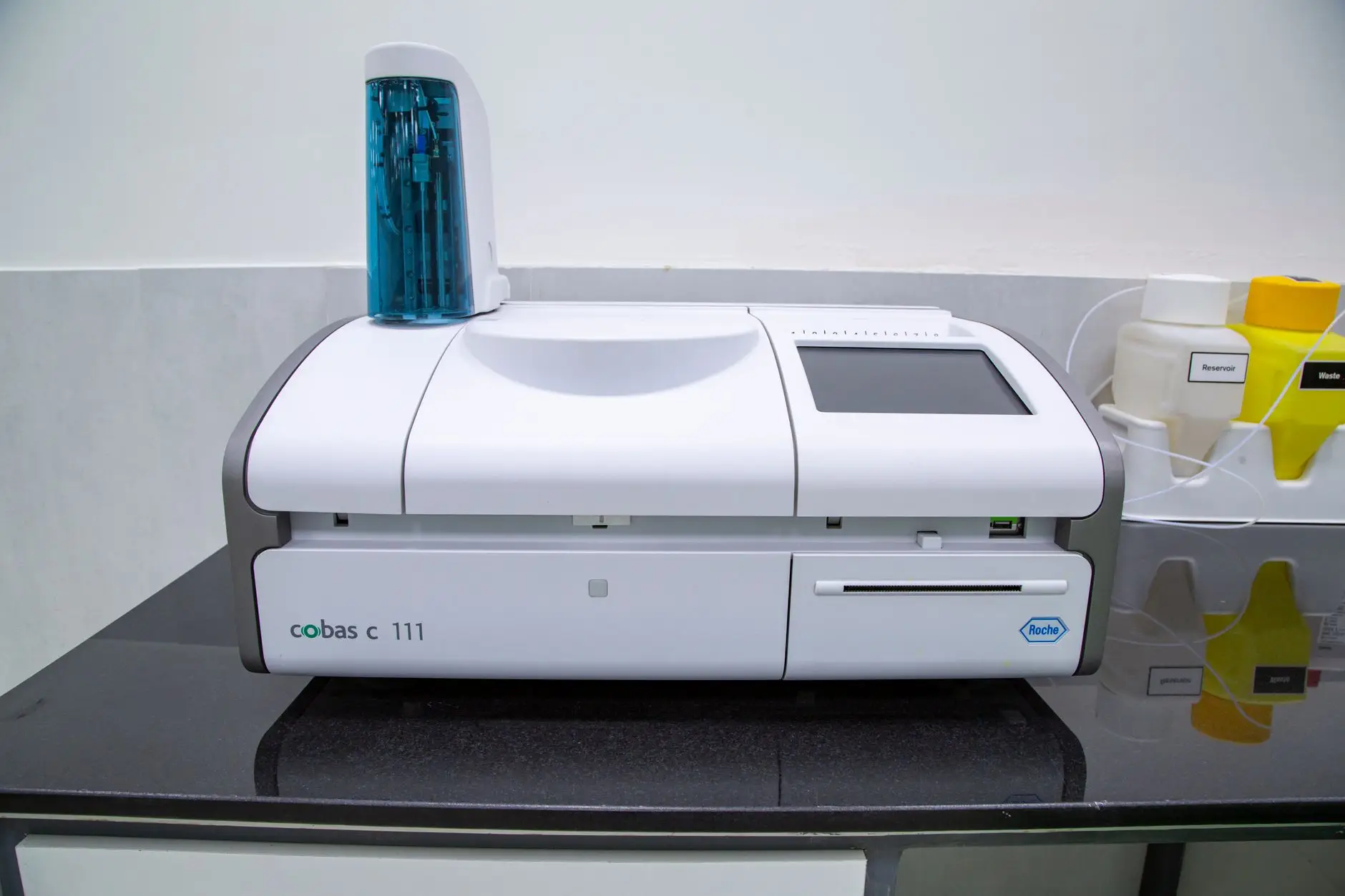
Clinical & Diagnostic Laboratories
NHS pathology, diagnostics and contract testing. Continuous monitoring of fridges, freezers and sample stores, with a record for UKAS and ISO 15189.
Explore
Universities & Research
University biobanks, research estates and core facilities. Continuous monitoring of ULT freezers and cryogenic storage, with alarms and a record for research governance.
Explore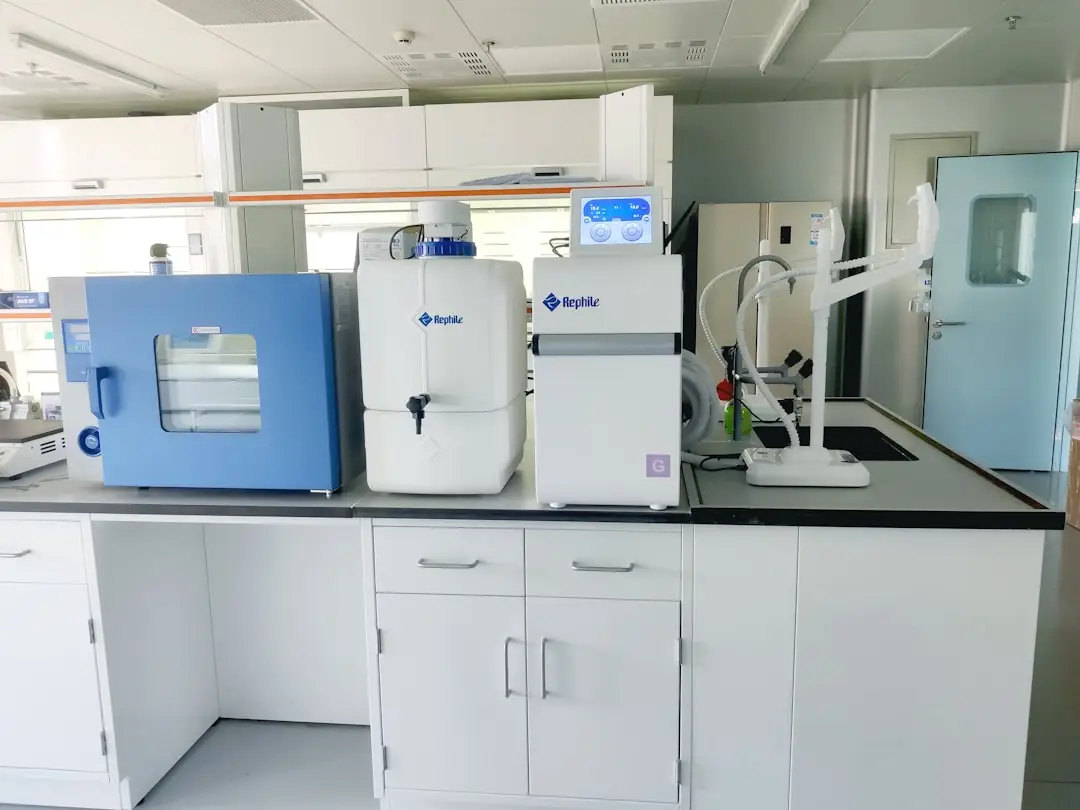
Equipment we monitor
ULT freezers, refrigerators, incubators, stability chambers, cold rooms, cryogenic storage, cleanrooms and GDP warehouses. One compact answer per equipment type.
Explore
Temperature monitoring guide
What temperature monitoring is, what to look for in a system, wired versus wireless, UK compliance, and how Eltek monitors continuously with alarms and audit-ready records.
Explore
Humidity monitoring guide
What relative humidity monitoring is, why it matters, what to look for, wired versus wireless RH sensing, and how Eltek monitors humidity and temperature continuously with alarms and audit-ready records.
Explore
Temperature mapping guide
What a mapping study proves, how to run one, sensor placement principles, duration, UK compliance expectations, and the calibrated equipment your results depend on.
ExploreData logger guide
What a data logger is, the wired and wireless types, what to look for, why calibration matters, and how Eltek’s loggers feed one connected platform with alarms and audit-ready records.
ExploreFrequently asked questions
What is pharmaceutical cold chain monitoring?
Pharmaceutical cold chain monitoring is the continuous measurement and recording of the temperature of the cold rooms, refrigerators and freezers that hold temperature-sensitive medicinal products, so that a facility can prove the product was kept within its required conditions. A good system uses calibrated sensors placed according to a temperature-mapping study, records continuously rather than by spot check, alarms and escalates when conditions drift, and stores a tamper-evident, time-stamped record for review and inspection. Eltek monitors cold rooms, fridges, freezers and warehouse storage this way, backed by UKAS-traceable calibration.
What does EU GDP expect for cold storage temperature monitoring?
The EU Guidelines on Good Distribution Practice (2013/C 343/01), retained in UK law and overseen by the MHRA, expect storage areas for medicinal products to be temperature-mapped before use, with the mapping repeated on a risk basis and after significant change, and then monitored using equipment calibrated at defined intervals. In practice that means knowing the warm and cold spots of each cold room or warehouse, placing sensors accordingly, monitoring continuously and keeping records that evidence the conditions. Eltek maps storage and provides the continuous monitoring, calibration and audit-ready records that support GDP; validation of the storage in its intended use remains the organisation’s responsibility.
How does temperature mapping fit into cold chain compliance?
Mapping and monitoring answer two different questions. A mapping study finds the warm and cold spots of a cold room, freezer or warehouse under a realistic load, so you know where conditions are worst and where a monitoring sensor should sit. Continuous monitoring then proves, day to day, that those points stayed in range. Placing a monitor by convenience rather than by mapping can read in range while product sits out of it, which is why EU GDP expects mapping before use and monitoring after. Eltek delivers both in one ecosystem, with the same GenII loggers.
What is the best cold chain monitoring system for pharmaceutical storage?
The right system for pharmaceutical storage does four things well: it maps storage before use so sensors sit where conditions actually matter; it monitors every cold room, fridge and freezer continuously into one record rather than a drawer of standalone loggers; it alarms and escalates an excursion, including out of hours, so stock can be saved; and it holds tamper-evident, time-stamped records backed by traceable calibration, so the cold chain is defensible under EU GDP and MHRA data-integrity expectations. Eltek provides mapping, continuous monitoring, alarms and UKAS-traceable calibration in one connected system, supported by UK engineers rather than a reseller.
What happens when a cold chain temperature excursion occurs?
A continuous system captures the excursion as it happens: when it started, how far conditions moved, how long they stayed there and when they recovered. SMS450 escalates the alarm by grouped SMS and email, including out of hours, so someone can act before stock is lost. Afterwards, the same time-stamped record supports the investigation and the decision on whether product is still fit for use, because it evidences the event rather than relying on a recollection of it.