Insight
IVF Incubator & Lab Temperature Monitoring and Alarm Systems
From embryo culture and incubators to cryogenic storage, stable environmental conditions protect samples, support accreditation and keep fertility laboratories audit-ready.
The Eltek Engineering Team5 min read
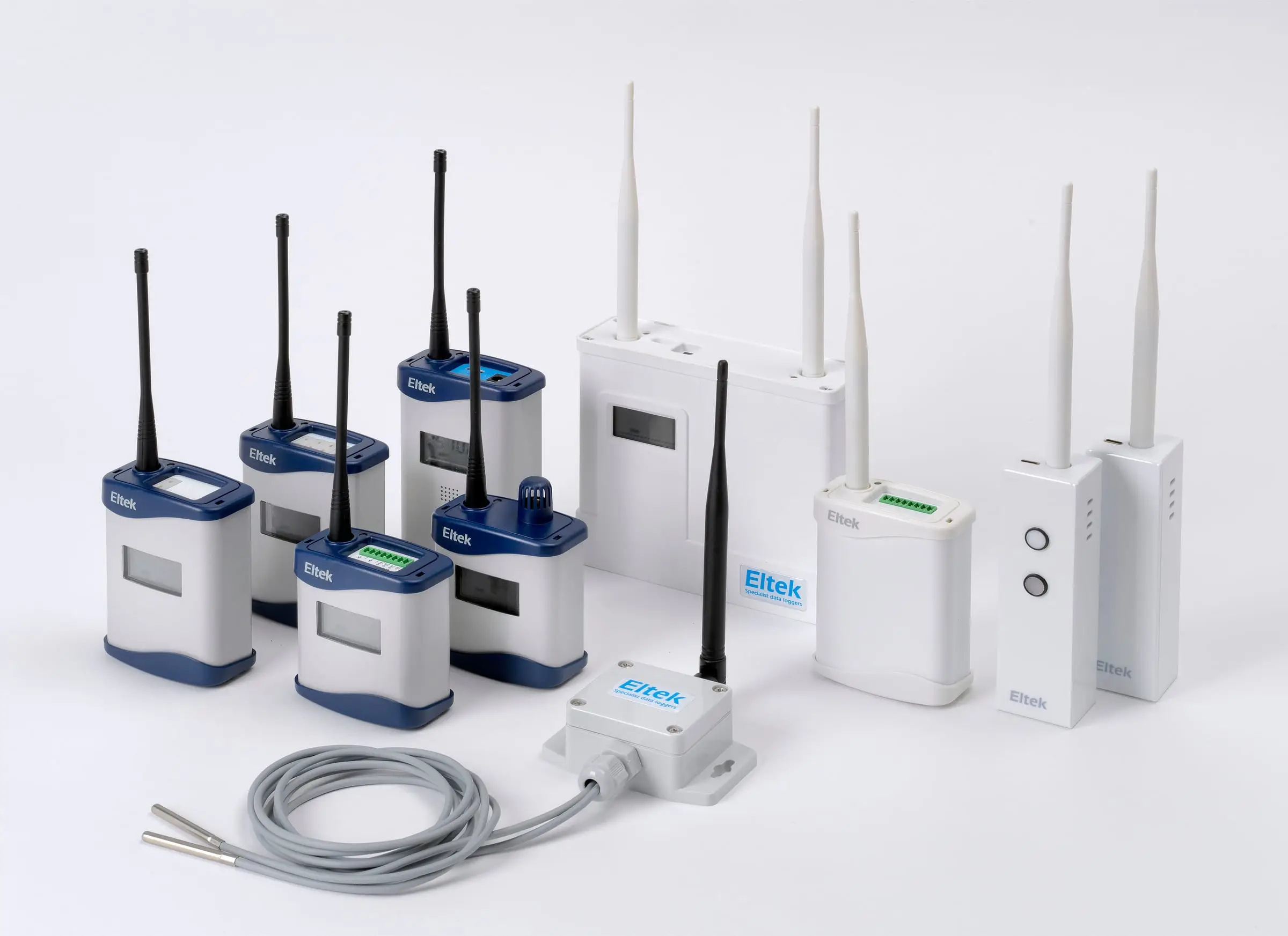
Monitor IVF incubator and lab temperature with wireless sensors on your incubators, fridges and cryogenic storage, logging conditions continuously. When a reading crosses a set threshold, an instant alarm is sent by SMS text through the SMS450 receiver logger, and every reading is kept as an audit-ready record. The right configuration depends on your clinic’s own processes.
Behind every successful IVF treatment is a carefully controlled laboratory environment. From embryo culture to cryogenic storage, maintaining stable conditions is essential to protecting valuable samples, supporting laboratory performance and helping clinics meet strict quality and regulatory requirements.
That is why reliable laboratory temperature monitoring sits at the heart of a well-run fertility laboratory. While every clinic has its own procedures, one thing remains constant: environmental monitoring plays a critical role in safeguarding both patients and laboratory operations, part of the wider work Eltek does across life-science laboratories, biobanks and cold chain. For fertility laboratories specifically, our IVF and fertility clinic monitoring page shows how incubators, cryogenic storage and laboratory conditions are monitored and alarmed.
What environmental monitoring do IVF and fertility labs need?
IVF and fertility laboratories need continuous laboratory temperature monitoring across every critical area, incubators, embryo culture spaces, fridges, freezers and cryogenic storage, plus humidity and ambient conditions. A good system logs readings automatically, raises real-time alarms when conditions drift and keeps secure records for accreditation and audits, protecting samples and patient outcomes around the clock.
Every degree matters
IVF laboratories rely on precision. Temperature fluctuations, changes in humidity or equipment failures can have significant consequences for sensitive laboratory processes and stored reproductive materials. Key areas requiring continuous monitoring may include:
- Embryo culture laboratories
- Incubators
- Refrigerators
- Freezers
- Cryogenic storage areas
- Sample preparation rooms
- Medicine storage
- Laboratory ambient conditions
Maintaining stable environmental conditions helps support consistent laboratory performance while reducing operational risk. The cold end of that range is unforgiving: our GENII monitoring for a −80 °C university biobank shows how continuous laboratory refrigerator and freezer temperature monitoring protects irreplaceable frozen material, exactly the challenge a fertility clinic faces with its cryogenic dewars.
Supporting quality and compliance
Fertility clinics operate within highly regulated healthcare environments where quality management is fundamental. Environmental monitoring provides evidence that critical areas remain within defined operating limits and supports documentation for:
- Quality management systems
- Laboratory accreditation
- Equipment validation
- Internal audits
- Risk management
- Incident investigations
Having reliable monitoring data available can simplify audits and provide greater confidence in laboratory operations. Where secure, non-editable records matter most, Darca Command adds real-time monitoring, automated alerts and secure audit trails, the kind of evidence auditors expect to see.
Early warning can prevent bigger problems
Equipment failures rarely happen at convenient times. A freezer alarm overnight or an incubator malfunction during the weekend can quickly become a critical incident if it goes unnoticed. Modern environmental monitoring systems can provide:
- Continuous monitoring
- Automatic alarm notifications
- Remote visibility
- Historical trend analysis
- Event logging
By identifying problems early, laboratory teams can take corrective action before small issues become major disruptions.
Reducing manual administration
Many clinics still rely on manual temperature checks and paper records for some monitoring activities. While these processes may meet basic requirements, they are often time-consuming and increase the risk of:
- Missing readings
- Manual transcription errors
- Delayed reporting
- Inconsistent documentation
Automating routine monitoring allows laboratory staff to spend more time supporting patients and less time managing paperwork.
Supporting business continuity
Environmental monitoring isn’t simply about compliance. It also helps protect:
- Valuable biological samples
- Laboratory equipment
- Clinical operations
- Patient confidence
- Organisational reputation
A robust monitoring system provides reassurance that critical laboratory environments remain under continuous observation, even outside normal working hours.
Choosing the right monitoring solution
Every IVF clinic is different. When reviewing environmental monitoring systems, clinics should consider:
- Continuous automated monitoring
- Real-time alerts
- Secure audit trails
- Easy reporting
- Scalable monitoring across multiple locations
- Reliable technical support
- Integration with existing monitoring devices where appropriate
Selecting the right laboratory temperature monitoring system can improve operational efficiency while supporting long-term compliance objectives.
Helping IVF clinics focus on what matters most
Environmental monitoring works quietly in the background, but its role is fundamental. By providing continuous visibility of critical laboratory environments, clinics can reduce risk, improve operational efficiency and support the highest standards of patient care.
Whether monitoring a single laboratory or multiple fertility centres, having confidence in environmental data allows clinical teams to focus on delivering the best possible outcomes for their patients. If you’d like to review your monitoring, the Eltek team can help you specify a system that fits your laboratory.
Key takeaways
- IVF laboratories depend on stable environmental conditions across incubators, embryo culture areas, fridges, freezers and cryogenic storage.
- Continuous laboratory temperature monitoring provides the evidence clinics need for quality management, accreditation and audits.
- Real-time alarms catch out-of-hours failures, an overnight freezer fault or a weekend incubator problem, before they become critical incidents.
- Automating monitoring removes manual checks and transcription errors, freeing laboratory staff to focus on patients.
- The right system protects samples, equipment, compliance and patient confidence, even outside normal working hours.
Need this in your facility?
Running an IVF or fertility laboratory? Tell us what you need to monitor, incubators, cold storage, cryogenic dewars or ambient conditions, and our UK engineers will help you specify the right system, no obligation.
See how Eltek supports life-science labsFrequently asked questions
What temperature monitoring do IVF laboratories need?
IVF laboratories need continuous laboratory temperature monitoring across every critical area: incubators and embryo culture spaces, refrigerators, freezers and cryogenic storage, along with humidity and ambient laboratory conditions. Continuous logging, automatic alarms and secure records help protect samples and provide the evidence needed for quality management and audits.
How should an IVF lab monitor incubators and cryogenic storage?
Incubators and cryogenic storage should be monitored continuously rather than by periodic manual checks, so any drift or failure is caught immediately. A system that logs readings automatically, raises real-time alarms when conditions move outside defined limits and keeps a historical record gives teams both early warning and an audit trail across incubator temperature monitoring and cold storage monitoring.
How does environmental monitoring support IVF lab accreditation and audits?
Environmental monitoring provides documented evidence that critical areas have stayed within defined operating limits. That evidence supports quality management systems, laboratory accreditation, equipment validation, internal audits and incident investigations. Having reliable monitoring data readily available can turn audit preparation from a days-long task into a straightforward export, and gives auditors confidence in laboratory operations.
Can an environmental monitoring system alert IVF lab staff out of hours?
Yes. Equipment failures rarely happen at convenient times, so modern systems provide automatic alarm notifications and remote visibility around the clock. A freezer alarm overnight or an incubator issue at the weekend can be flagged the moment conditions drift, allowing staff to respond before a small problem becomes a critical incident.
Get more insights like this
Get monitoring insights in your inbox
Practical guidance on compliance and environmental monitoring: mapping, audit trails, probe selection and multi-site reliability. Occasional, useful, no noise.
Unsubscribe any time. Your details are never shared.