Insight
5 Signs You’ve Outgrown Manual Monitoring and Need an Environmental Monitoring System
What starts as a few data loggers and a spreadsheet can quietly become hours of admin and rising risk. Here are five signs it’s time to move to an automated environmental monitoring system.
The Eltek Engineering Team5 min read
As organisations grow, environmental monitoring often becomes more complex. What starts as a few data loggers and a spreadsheet can quickly turn into hours of administration, rising compliance risk and slower responses when something goes wrong.
If any of these signs sound familiar, it may be time to rethink your approach, and to consider an environmental monitoring system that does the heavy lifting for you.
When should you move from manual to an automated environmental monitoring system?
Move when manual monitoring starts costing more than it saves. If collecting data and preparing reports takes hours each week, audits take days to pull together, problems only surface after the damage is done, or you are tracking several locations at once, an automated environmental monitoring system will usually pay back the switch quickly.
The five signs you’ve outgrown manual monitoring
1. You’re spending too much time collecting data
Downloading logger data, updating spreadsheets, building reports and chasing missing readings all take valuable time. Instead of improving operations or investigating trends, your team is tied up with manual administration. A modern environmental monitoring system automates much of this process, so staff can focus on what really matters.
2. Preparing for audits is stressful
Do you find yourself digging through folders, spreadsheets and emails to locate historical monitoring records? Auditors expect data to be complete, traceable and readily available. If preparing for an audit takes days rather than minutes, your monitoring process may be holding you back. If compliance is your main concern, our companion article on why spreadsheets fail compliance looks at the audit-trail and data-integrity risks in more detail.
3. Problems are only found after they’ve happened
Manual monitoring often means issues are only discovered when someone checks the data. Whether it’s a rising temperature in a laboratory, excessive humidity in a museum or an HVAC failure in a commercial building, delays can lead to:
- Product loss
- Damaged collections
- Compliance issues
- Unplanned costs
Real-time alerts let teams respond the moment conditions drift, rather than hours or days later.
4. You’re managing multiple locations
Monitoring one room is straightforward. Monitoring several sites, departments or storage areas quickly becomes difficult using spreadsheets and individual data loggers. A centralised platform provides visibility across every location from one dashboard. Our guide to multi-zone monitoring in large facilities shows how to design this so nothing slips through the gaps, something we see often across manufacturing and industrial sites spread over many areas.
5. You’re creating the same reports every month
Many organisations spend hours manually producing the same compliance and performance reports. If your reporting process involves copying data between spreadsheets or creating charts by hand, there’s a more efficient way. Automated reporting reduces administration while improving consistency and accuracy.
Is it time to modernise?
Manual monitoring works well for smaller environments, but as organisations grow, automation delivers significant benefits. By reducing manual processes, improving visibility and supporting compliance, organisations can spend less time managing data and more time acting on it.
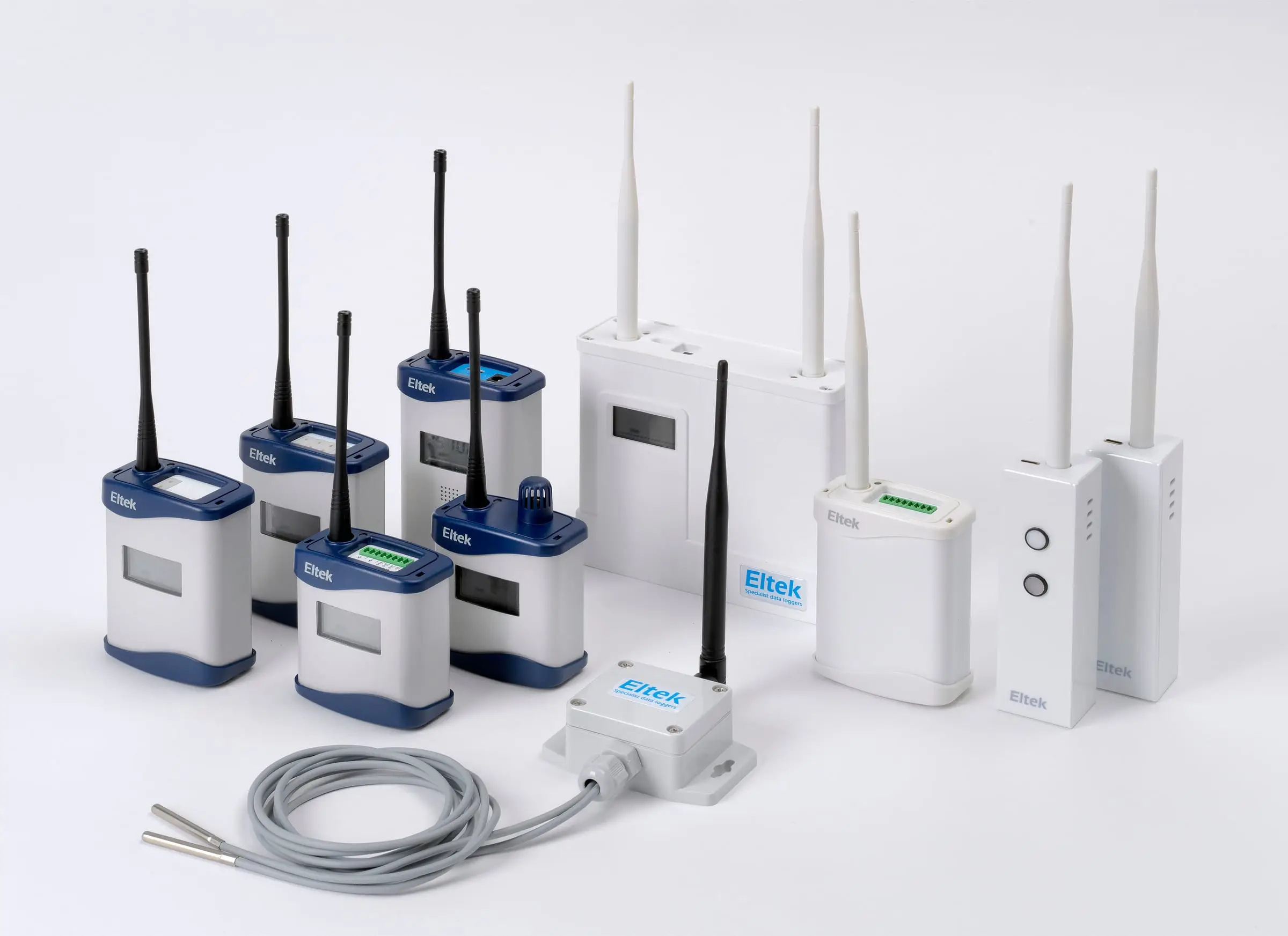
Whether you’re responsible for laboratories, museums, manufacturing facilities or commercial buildings, an environmental monitoring system such as Eltek’s Darca Connect can help future-proof your operations by bringing every device and location into one place, so the work that used to fill your week quietly takes care of itself.
Key takeaways
- Manual monitoring works at small scale, but the cost climbs as you add loggers, sites and reports.
- The five signs: too much time collecting data, stressful audit prep, problems found too late, multiple locations to manage, and repetitive monthly reports.
- An environmental monitoring system automates collection, alerting and reporting, so your team acts on data instead of transcribing it.
- Real-time alerts turn monitoring from after-the-fact checking into immediate response, protecting products and collections.
- If you monitor several sites, a centralised platform gives you one dashboard across every location.
Need this in your facility?
Spending more time managing data than acting on it? Tell us what you monitor and our UK engineers will show you how Darca brings every device and location into one place, no obligation.
See how Darca Connect centralises monitoringFrequently asked questions
How do I know if I need an environmental monitoring system?
You likely need one when manual monitoring starts to slow you down: when collecting data and writing reports takes hours each week, when audits take days to prepare, when problems are found only after they cause damage, or when you are tracking more than one site. If several of those are true, an automated system will usually save more than it costs.
What are the signs of outgrowing manual monitoring?
The common signs are spending too long collecting and tidying data, stressful audit preparation, environmental problems discovered too late, managing several locations from separate spreadsheets, and rebuilding the same reports every month. Each one adds admin and risk that an automated environmental monitoring system is designed to remove.
Can an environmental monitoring system save time?
Yes. It collects readings automatically, keeps them in one place, sends alerts when conditions drift and produces reports on demand. That removes most of the manual downloading, transcription and chart-building that manual monitoring relies on, freeing your team to act on issues instead of chasing data.
Does an environmental monitoring system work across multiple sites?
It should. A centralised platform brings devices from different rooms, buildings and sites into a single dashboard, so you can see every location at once rather than managing a spreadsheet per site. This is often the point at which organisations decide to move on from manual monitoring.
Get more insights like this
Get monitoring insights in your inbox
Practical guidance on compliance and environmental monitoring: mapping, audit trails, probe selection and multi-site reliability. Occasional, useful, no noise.
Unsubscribe any time. Your details are never shared.