Guide
Seven Warning Signs Your -80°C Freezer May Be About to Fail
A -80°C freezer rarely fails without warning. Seven early signs, from longer recovery times to rising alarms, and why continuous ULT freezer monitoring catches them before years of research are lost.
The Eltek Engineering Team7 min read
For many laboratories, a -80°C freezer is far more than a piece of equipment.
It safeguards irreplaceable patient samples, clinical trial materials, cell lines, biological reagents and years of scientific research. The value of the contents often far exceeds the cost of the freezer itself.
While catastrophic failures can happen without warning, many freezer problems develop gradually. Learning to recognise the early indicators can help laboratories intervene before a minor issue becomes a major incident.
Here are seven warning signs every laboratory should take seriously.
What are the warning signs a -80°C (ULT) freezer is about to fail?
The main warning signs are more frequent temperature fluctuations, longer recovery after door openings, increasing frost build-up, rising alarm frequency, a compressor running almost constantly, ageing equipment, and relying on someone to notice a problem manually. Continuous ULT freezer monitoring surfaces these trends early, before a minor issue becomes a major loss.
1. Temperature fluctuations are becoming more frequent
A healthy ultra-low temperature freezer should maintain a stable operating temperature with only minor variations during normal compressor cycles or door openings.
If temperature trends begin showing increasingly frequent fluctuations, or the freezer is taking longer to recover after the door has been opened, it may indicate that the refrigeration system is working harder than normal.
Small changes in performance are often the first indication that maintenance is required.
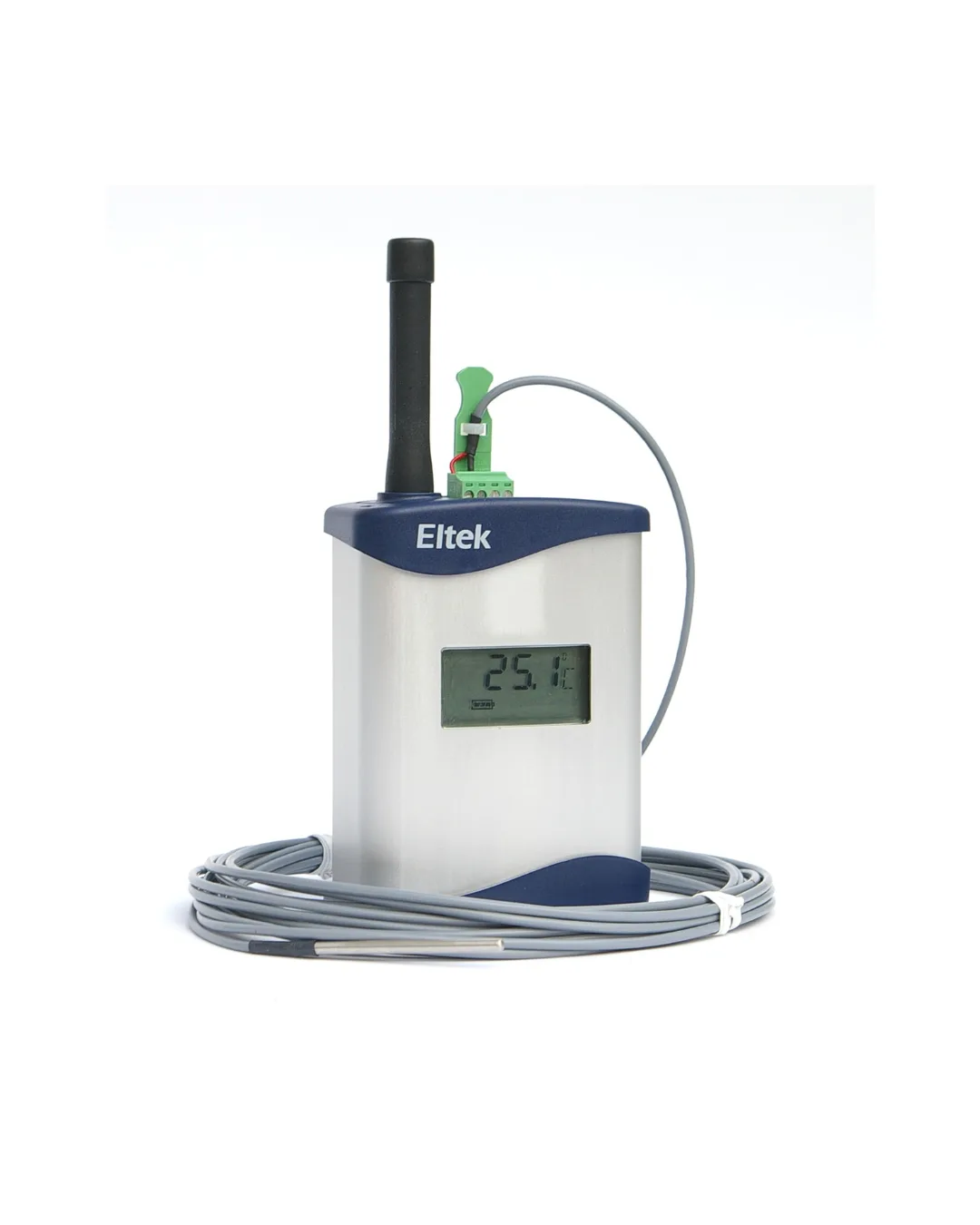
Continuous temperature trending makes these gradual changes much easier to identify than occasional manual readings.
2. Recovery times are getting longer
Opening a freezer door is unavoidable in busy laboratories.
The important question is how quickly the freezer returns to its operating temperature.
A freezer that previously recovered within minutes but now takes significantly longer may be experiencing:
- Reduced cooling efficiency
- Compressor wear
- Refrigeration system issues
- Declining performance due to age
Monitoring recovery trends over time provides valuable insight into equipment health.
3. Frost build-up is increasing
Excessive frost isn’t simply an inconvenience.
It can indicate:
- Door seal deterioration
- Frequent warm air ingress
- High room humidity
- Doors not closing correctly
Over time, excessive frost reduces cooling efficiency and increases energy consumption while placing additional strain on refrigeration components.
Regular inspection of door seals and frost levels should form part of routine preventative maintenance.
4. Alarm frequency is increasing
Occasional alarms happen.
Repeated alarms deserve investigation.
If your laboratory experiences increasing numbers of high-temperature alarms, power interruptions or repeated sensor alerts, it’s important to understand the underlying cause rather than simply acknowledging the notification.
Alarm trends often reveal developing issues long before equipment failure occurs.
A modern environmental monitoring system can help identify recurring patterns that may otherwise go unnoticed.

5. The compressor seems to be working constantly
Ultra-low freezers naturally cycle as they maintain temperature.
However, a compressor that appears to run almost continuously may indicate:
- Refrigeration inefficiency
- Refrigerant loss
- Poor ventilation
- Dirty condenser filters
- Component wear
Ignoring these symptoms can shorten equipment life and increase the likelihood of unexpected failure.
6. The freezer is older than its expected service life
Many ultra-low temperature freezers continue operating well beyond ten years.
While age alone does not mean failure is imminent, older equipment generally requires closer monitoring and more proactive maintenance.
Laboratories should consider factors such as:
- Service history
- Reliability trends
- Manufacturer recommendations
- Availability of replacement parts
- Criticality of stored materials
Monitoring performance trends becomes increasingly important as equipment ages.
7. You don’t know something is wrong until someone checks the freezer
Perhaps the biggest warning sign isn’t the freezer itself.
It’s relying on someone discovering a problem manually.
Power failures, overnight compressor faults and unexpected temperature excursions rarely occur during working hours.
Without continuous monitoring and automated alerts, valuable time may be lost before anyone becomes aware of the issue.
For facilities storing irreplaceable research samples or regulated pharmaceutical materials, kept in cold and cryogenic storage, early notification can make the difference between protecting years of work and experiencing a devastating loss.
Prevention is always less costly than recovery
Ultra-low temperature freezer failures are disruptive, expensive and often irreversible.
While no monitoring system can prevent every mechanical fault, continuous environmental monitoring provides laboratories with the information needed to identify developing problems earlier, respond more quickly and minimise risk.
Recognising trends, investigating recurring alarms and maintaining robust preventative maintenance programmes all contribute to greater operational resilience.
Most importantly, continuous monitoring provides confidence that critical storage conditions remain under control, even when the laboratory is unoccupied.
How Eltek Helps Protect Critical Cold Storage
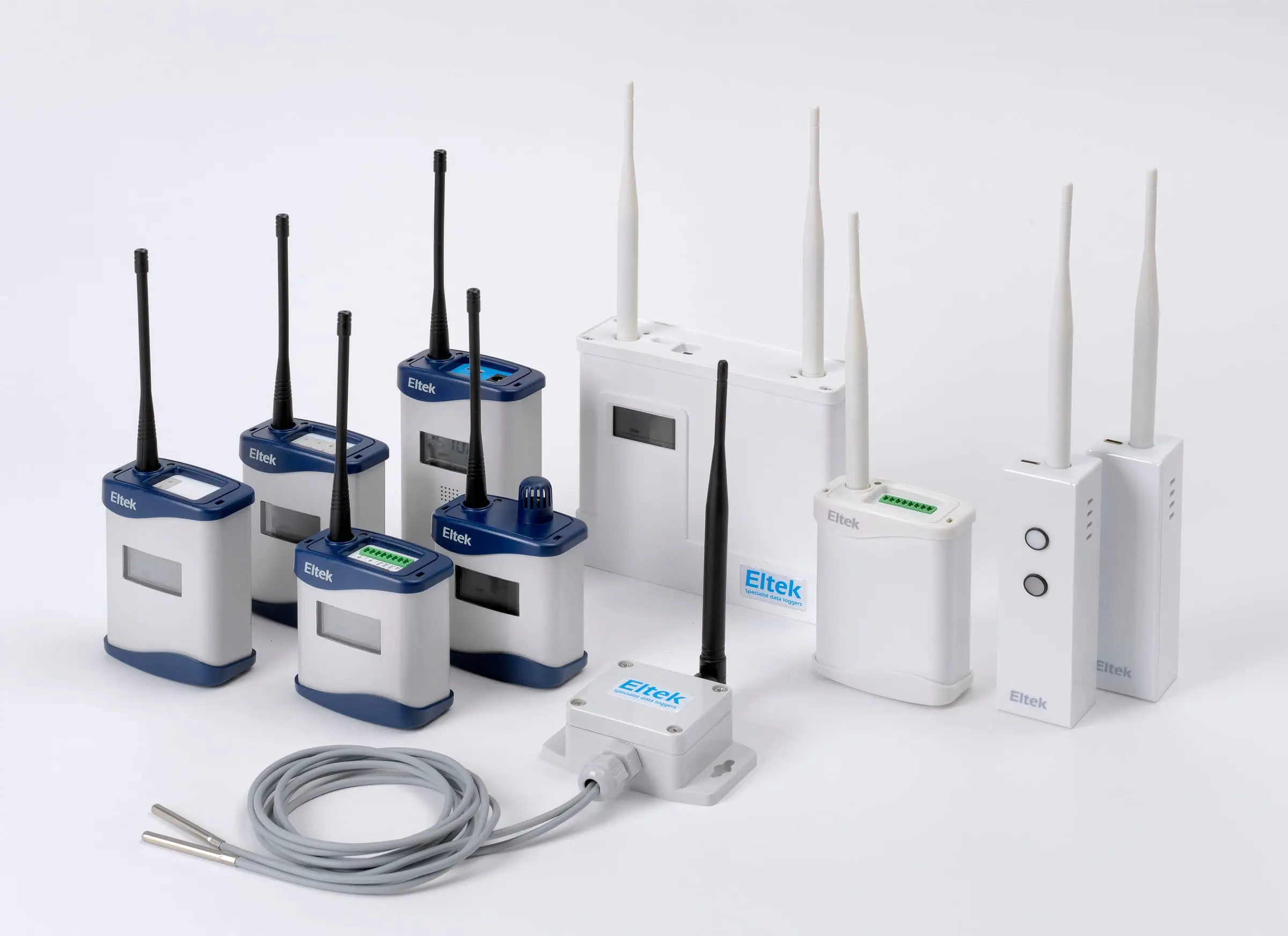
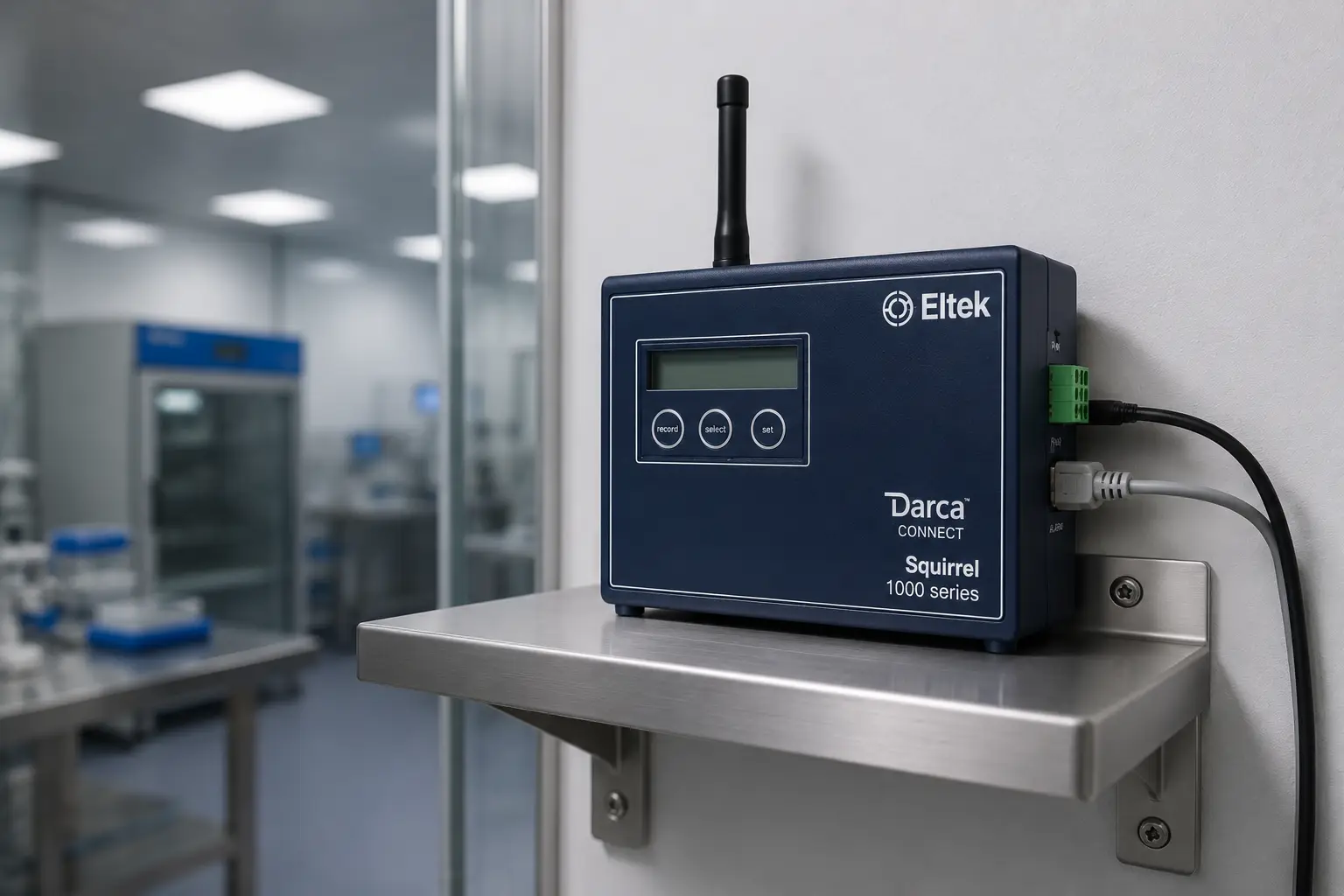
Eltek’s Darca Command environmental monitoring platform provides continuous monitoring of ultra-low temperature freezers, cryogenic storage and other critical laboratory environments.
By combining real-time monitoring, automated alarm notifications, historical trend analysis, secure audit trails and centralised reporting, laboratories gain greater visibility into equipment performance and can respond rapidly when conditions change.
Rather than relying on periodic manual checks, continuous monitoring helps ensure potential issues are identified as early as possible, supporting both sample protection and regulatory compliance.
Ultra-low temperature freezers rarely fail without warning. The earlier these warning signs are identified, the greater the opportunity to protect valuable samples, reduce downtime and avoid costly freezer failures.
Key takeaways
- Increasing temperature fluctuations
- Longer recovery times
- Excessive frost build-up
- Repeated alarm events
- Compressors running continuously
- Ageing equipment with declining performance
- A lack of continuous monitoring and early warning
Need this in your facility?
Protect the samples inside your ULT freezers with continuous monitoring and automated alerts. Tell us what you store and our UK engineers will arrange a Darca Command demonstration, no obligation.
Arrange a Darca Command demonstrationFrequently asked questions
What is ULT freezer monitoring?
ULT freezer monitoring is continuous monitoring of ultra-low temperature (typically -80°C) freezers, tracking temperature, recovery times, alarms and device health around the clock. Rather than relying on periodic manual checks, it trends performance over time and alerts the right people the moment conditions move out of range.
Why does continuous monitoring matter for -80°C freezers?
Power failures, overnight compressor faults and unexpected excursions rarely happen during working hours. Without continuous monitoring and automated alerts, valuable time is lost before anyone notices, which for irreplaceable samples can be the difference between protecting years of work and a devastating loss.
What is ULT freezer mapping?
ULT freezer mapping is a study that measures how temperature varies at different points inside a freezer, identifying warm spots and confirming the unit holds its specified range throughout. Mapping establishes where to place monitoring sensors; continuous monitoring then proves conditions stay in range day to day. For the full method, see our complete guide to temperature mapping, including how a -80°C freezer study is run step by step.
How does Eltek help protect critical cold storage?
Eltek’s Darca Command provides continuous monitoring of ultra-low temperature freezers, cryogenic storage and other critical environments, combining real-time monitoring, automated alarm notifications, historical trend analysis, secure audit trails and centralised reporting so developing issues are identified as early as possible.
Get more insights like this
Get monitoring insights in your inbox
Practical guidance on compliance and environmental monitoring: mapping, audit trails, probe selection and multi-site reliability. Occasional, useful, no noise.
Unsubscribe any time. Your details are never shared.