Guide
What Inspectors Expect from Refrigerator Monitoring
During an inspection it’s rarely the refrigerator under scrutiny, it’s the evidence that it stayed in specification. Five questions every lab should be able to answer about fridge temperature monitoring.
The Eltek Engineering Team6 min read
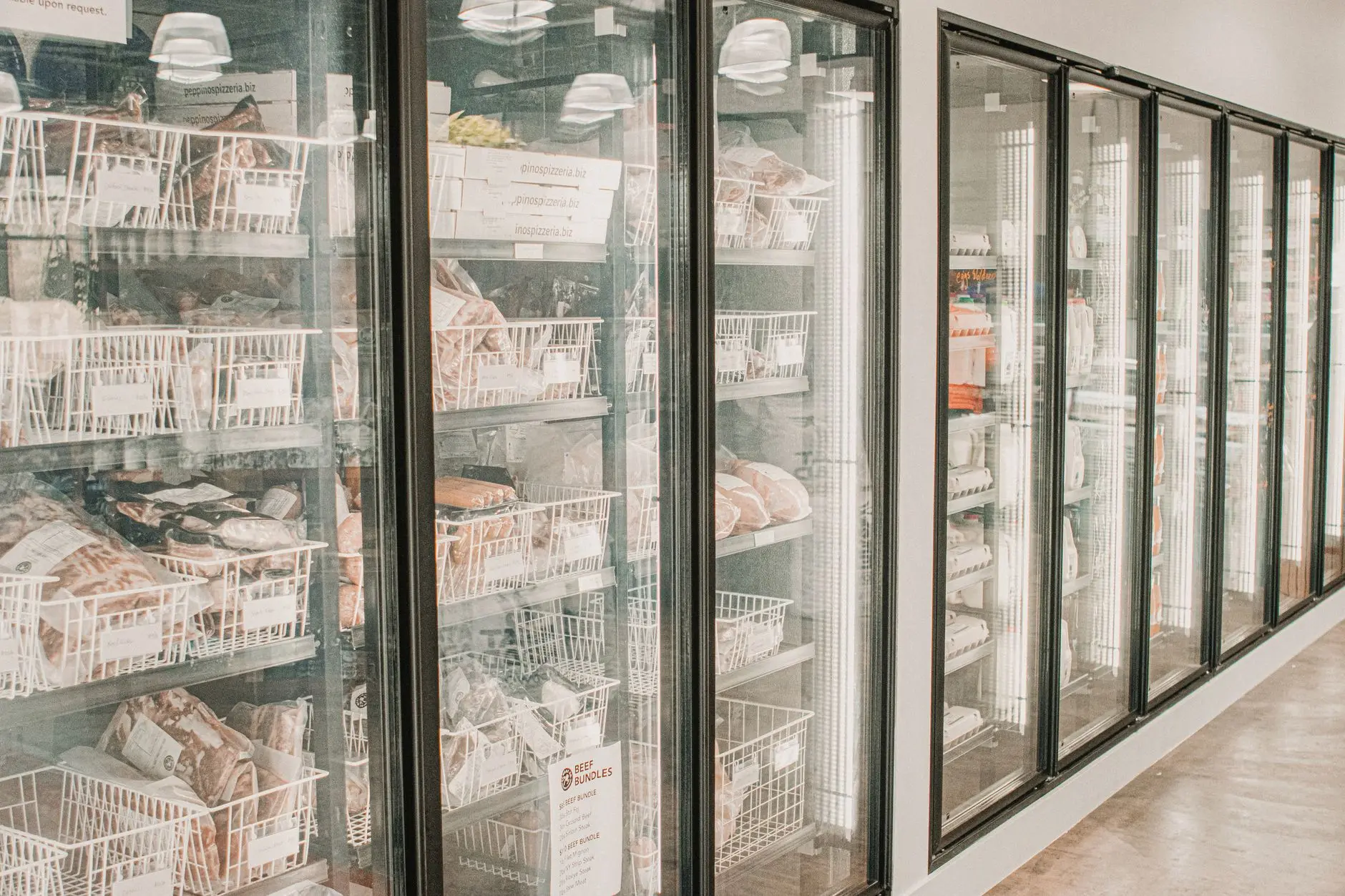
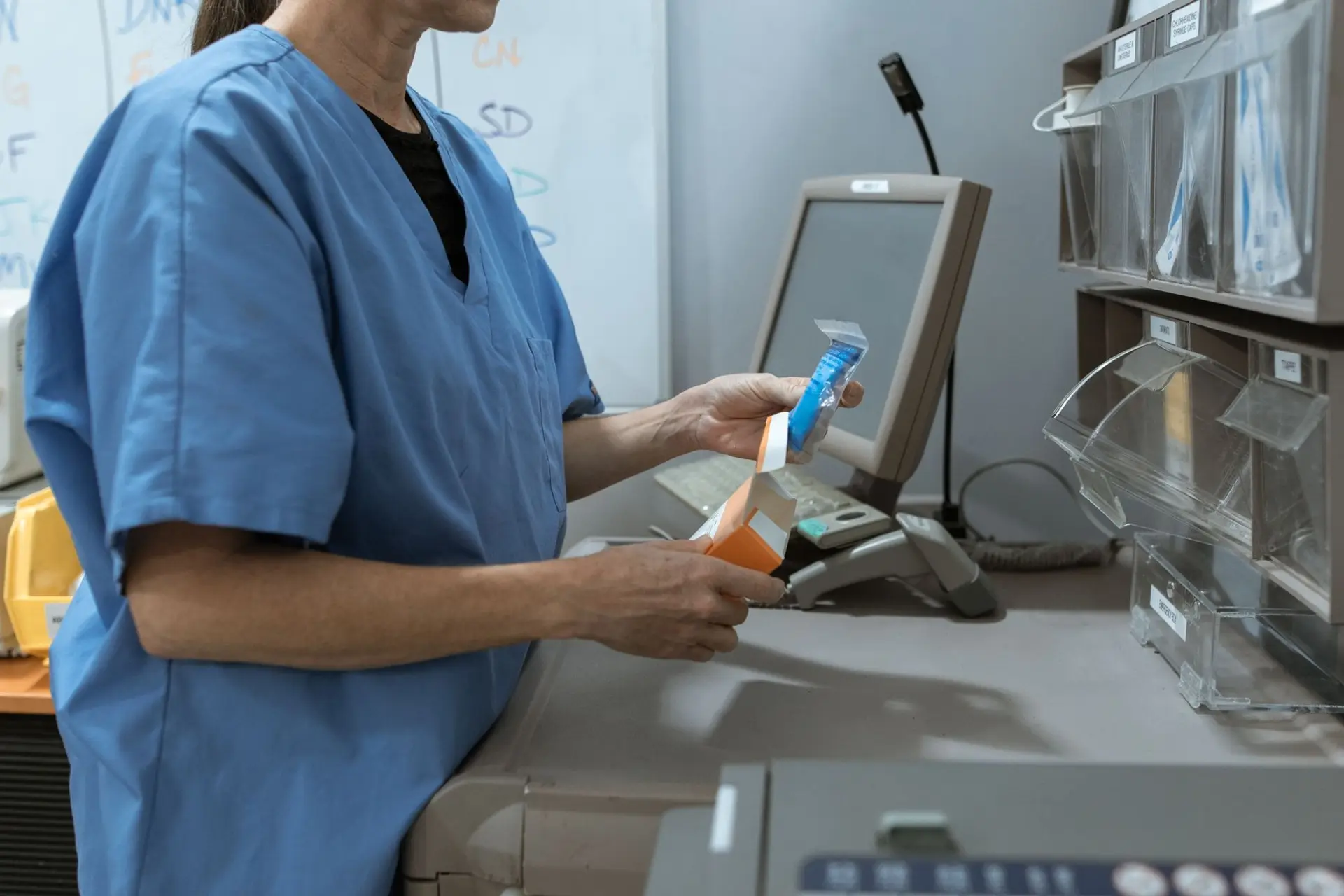
Whether you’re storing vaccines, biological samples, clinical trial materials, reagents or pharmaceutical products, refrigerated storage plays a critical role in maintaining product quality and sample integrity.
Yet during regulatory inspections, it’s often not the refrigerator itself that comes under scrutiny, it’s the evidence that demonstrates it has remained within specification.
Inspectors are looking for more than a temperature log. They want confidence that your organisation maintains control, responds appropriately to deviations and can demonstrate the integrity of its monitoring data.
Here are five questions inspectors commonly expect laboratories to answer.
What do inspectors expect from fridge temperature monitoring?
Inspectors expect fridge temperature monitoring to prove continuous control, not just twice-daily readings. You should be able to show a complete temperature history, how excursions were detected and managed, that sensors are calibrated and traceable, that records are secure, and that you can retrieve the evidence for any refrigerator quickly.
1. Can you prove the refrigerator remained within specification?
The first question is often the simplest:
“How do you know this refrigerator stayed between 2°C and 8°C?”
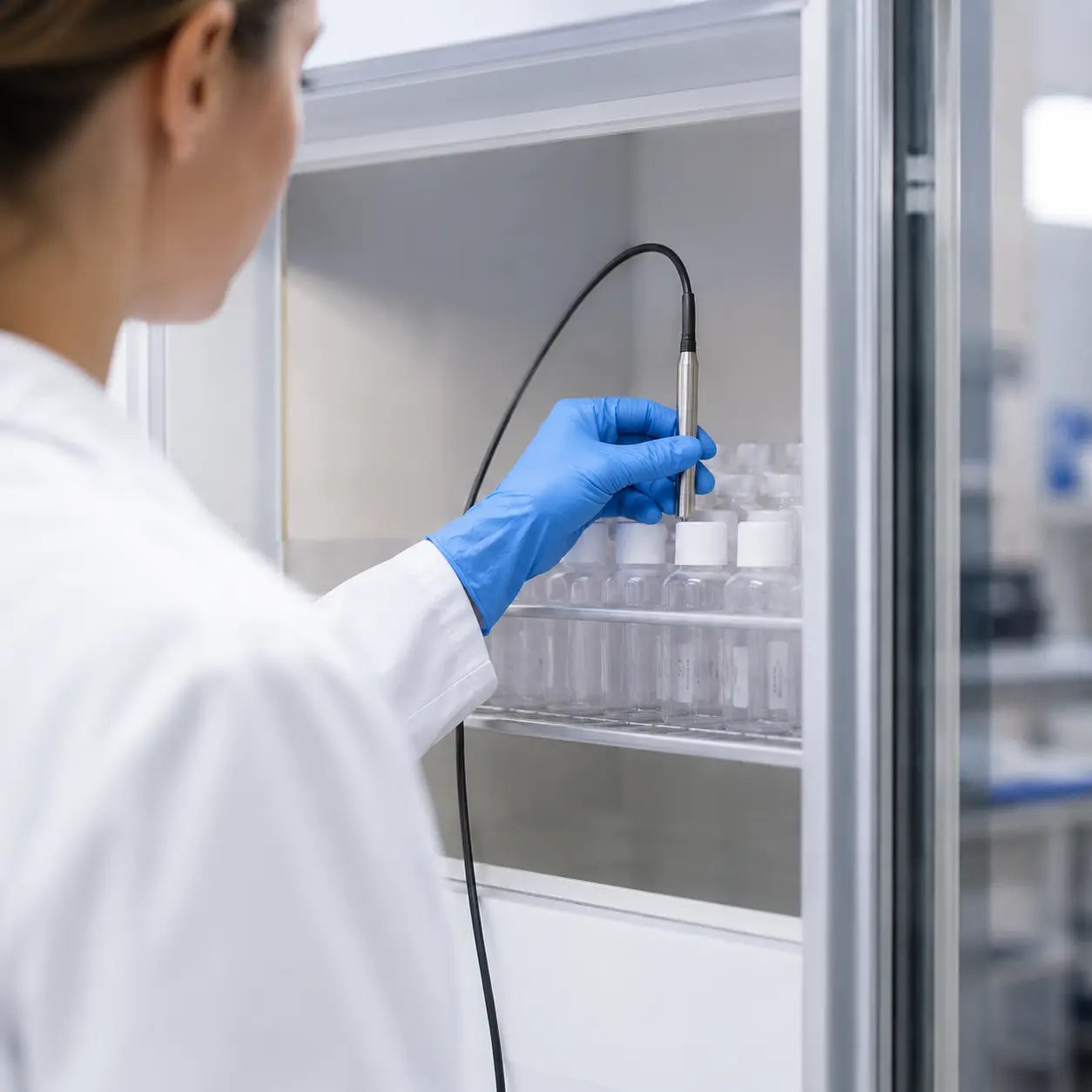
A handwritten temperature record taken twice each day may demonstrate compliance at those specific moments, but it cannot confirm what happened during the hours in between.
Modern laboratories increasingly rely on continuous environmental monitoring to provide a complete temperature history, ensuring that any excursion is detected, recorded and investigated.
The ability to demonstrate continuous control provides far greater confidence than isolated manual readings.
2. How are temperature excursions managed?
Temperature excursions can occur for many reasons:
- Doors left open
- Power interruptions
- Equipment failure
- High ambient temperatures
- Maintenance activities
Inspectors will want to understand not only if an excursion occurred, but also:
- When did it begin?
- How long did it last?
- Who was notified?
- What action was taken?
- Were affected materials assessed?
A well-defined alarm management process supported by automated monitoring can significantly improve both response times and documentation.
3. Is your monitoring equipment itself controlled?
Monitoring equipment is also subject to quality management.
Inspectors may ask:
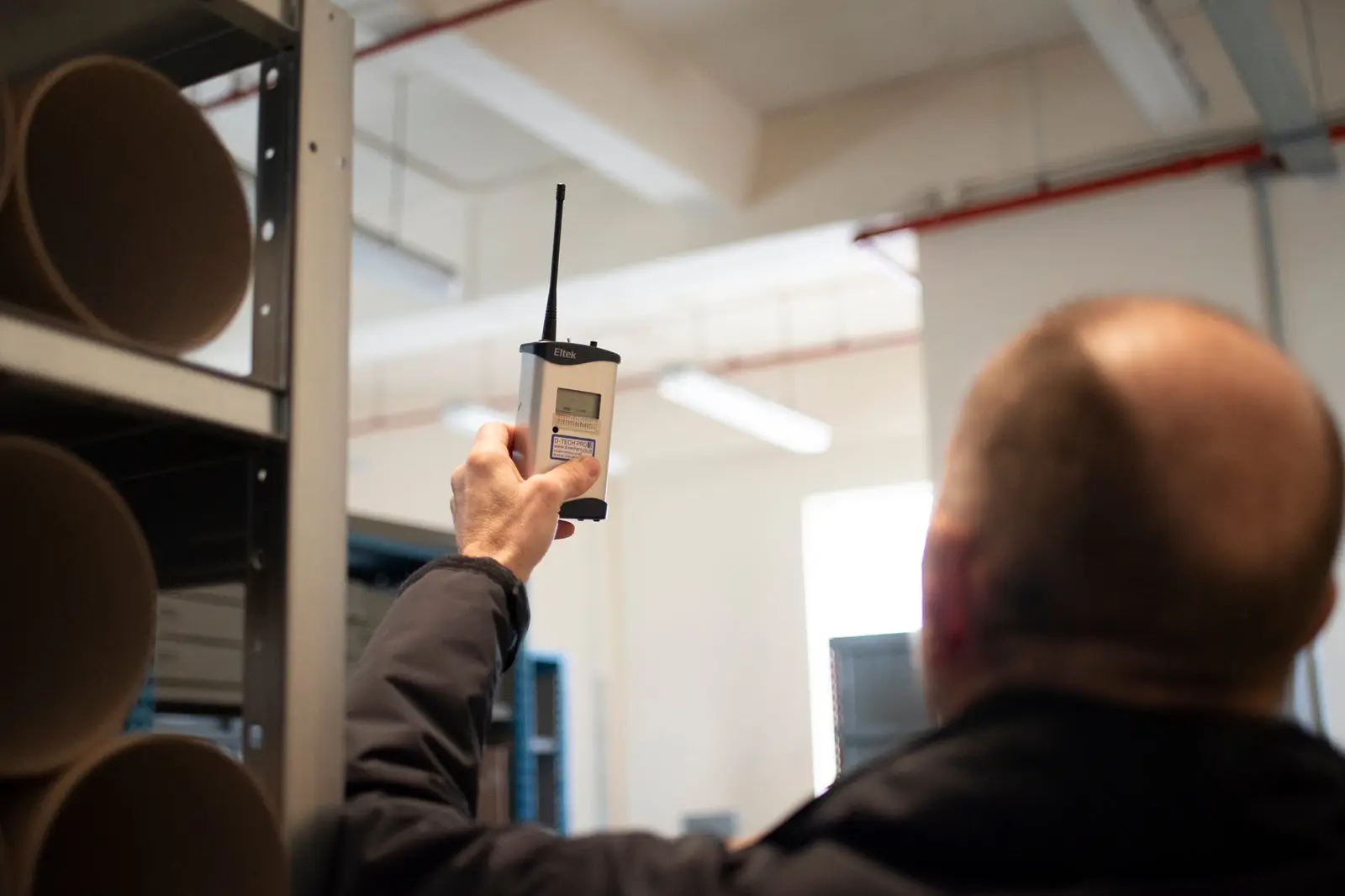
- When was the sensor last calibrated?
- Is calibration traceable?
- How do you know the sensor remains accurate?
- What happens if a sensor fails?
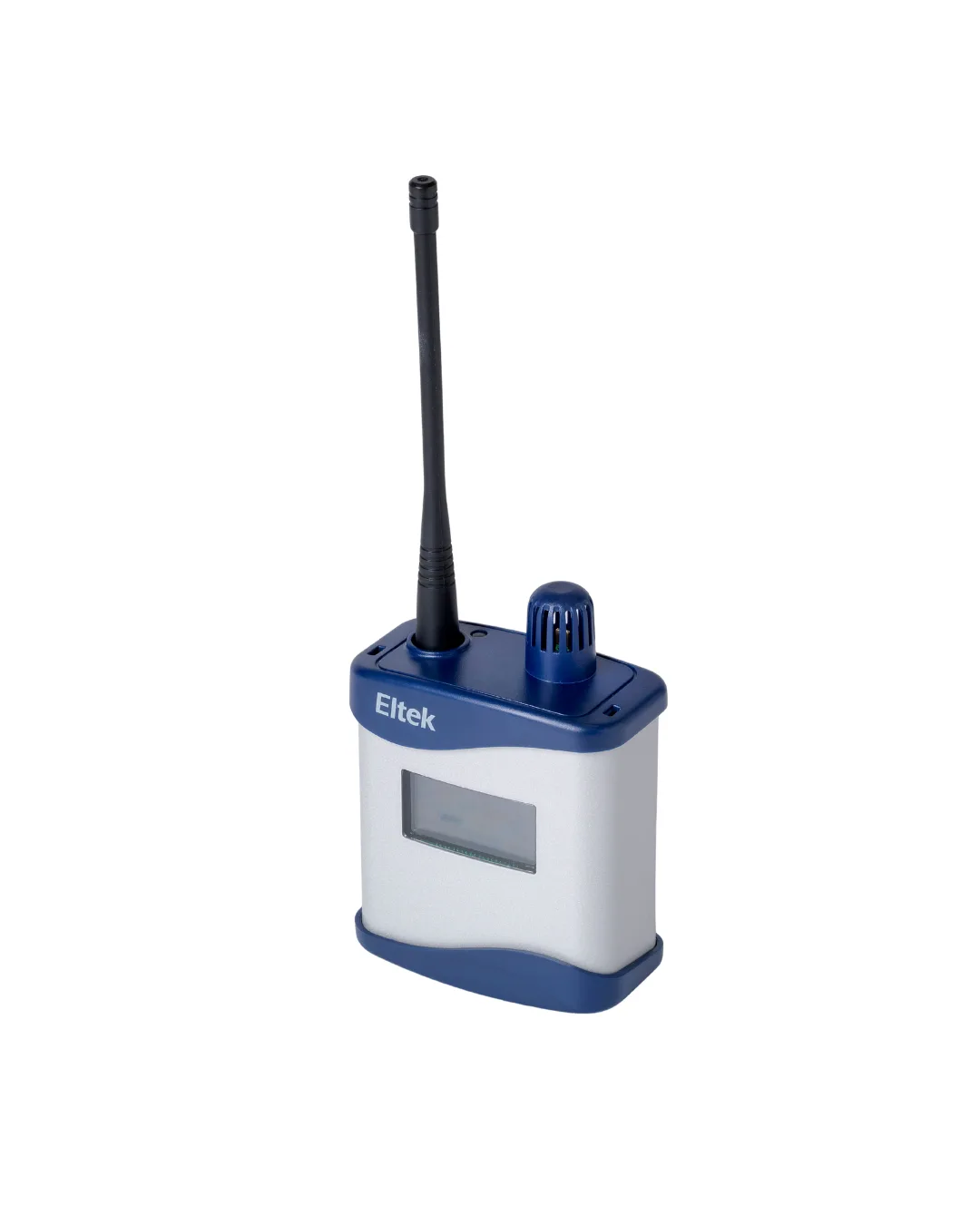
Maintaining calibration records and monitoring the health of the monitoring system itself are important elements of demonstrating environmental control.
4. Can you trust the monitoring records?
Environmental monitoring data forms part of your quality evidence.
Inspectors increasingly expect organisations to demonstrate that records are:
- Complete
- Accurate
- Traceable
- Secure
- Protected against unauthorised changes
Questions may include:
- Who changed an alarm limit?
- Who acknowledged an alarm?
- Are all user actions recorded?
- Are missing records immediately visible?
Strong audit trails and secure electronic records help demonstrate confidence in the integrity of environmental monitoring data. This is where a documented approach to quality management and compliance pays off.
5. Can you retrieve information quickly?
One of the easiest ways to create confidence during an inspection is the ability to answer questions immediately.
Imagine an inspector asking:
“Please show me the temperature history for Refrigerator 12 covering the last three months.”
If retrieving the information requires searching paper files or combining multiple spreadsheets, valuable time is lost.
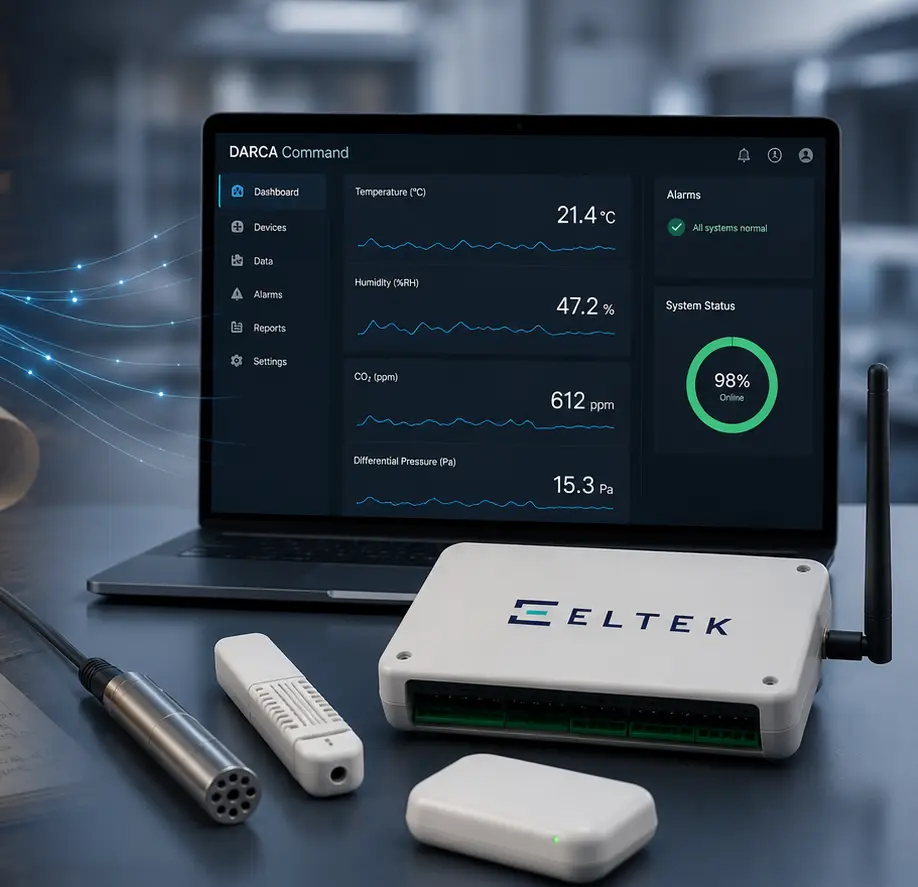
By contrast, laboratories using centralised monitoring platforms can quickly access historical data, alarm histories, trend reports and audit information, allowing inspections to proceed efficiently and confidently.
Refrigerator monitoring is about protecting quality, not just meeting compliance
Continuous refrigerator monitoring is often viewed as a regulatory requirement.
In reality, it serves a much broader purpose.
Reliable monitoring protects valuable research, safeguards clinical materials, reduces operational risk and provides the evidence needed to support informed quality decisions.
Inspection readiness is simply the result of maintaining robust control every day, not just when an auditor visits.
How Eltek Supports Regulated Refrigerator Monitoring
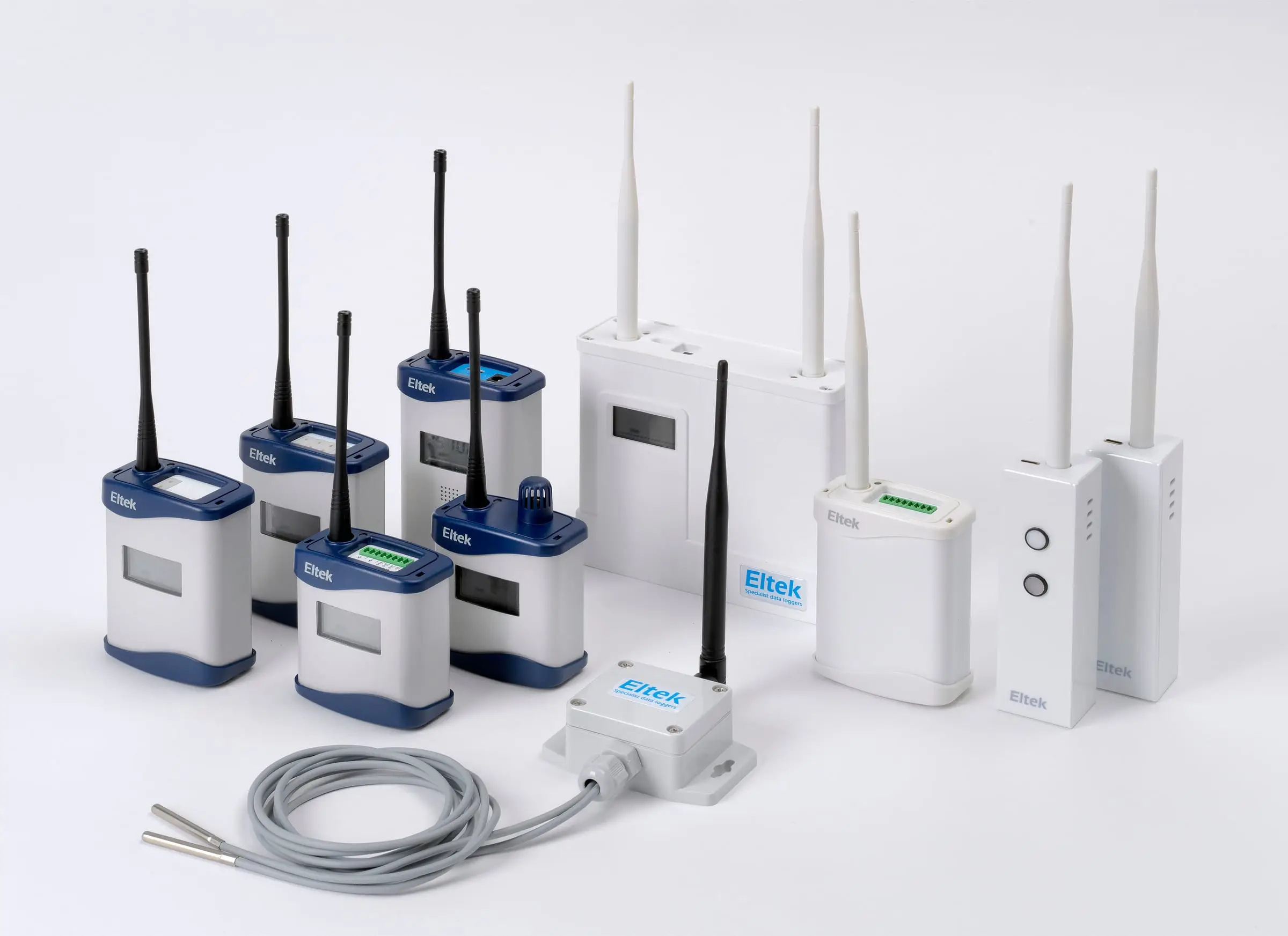
Eltek’s Darca Command environmental monitoring platform is designed to help laboratories maintain continuous visibility over refrigerated storage and other critical environments.
By combining automated temperature monitoring, configurable alarms, secure audit trails and centralised reporting, Darca Command helps organisations strengthen environmental control, respond rapidly to deviations and maintain confidence in the integrity of their monitoring records.
Whether managing a single laboratory refrigerator or a multi-site storage estate, continuous monitoring provides the evidence needed to support both operational excellence and regulatory inspections.
Successful refrigerator monitoring isn’t measured by how many temperature readings are recorded. It’s measured by how confidently your organisation can answer five simple questions. If you can answer “yes” to each of these, you’re well on your way to maintaining both compliance and confidence.
Key takeaways
- Can you prove the temperature remained within specification?
- How are excursions detected and managed?
- Is your monitoring equipment calibrated and maintained?
- Can your records be trusted?
- Can you retrieve evidence immediately during an inspection?
Need this in your facility?
From a single laboratory fridge to a multi-site storage estate, see how continuous refrigerator monitoring gives you the evidence inspectors expect. Tell us what you store and our UK engineers will arrange a Darca Command demonstration, no obligation.
Arrange a Darca Command demonstrationFrequently asked questions
What do inspectors expect from fridge temperature monitoring?
Inspectors expect fridge temperature monitoring to prove continuous control, not just twice-daily readings. You should be able to show a complete temperature history, how any excursion was detected and managed, that sensors are calibrated and traceable, that records are secure, and that you can retrieve the evidence for any refrigerator quickly.
What temperature should a vaccine fridge be monitored at?
Most vaccine and pharmaceutical refrigerators are maintained between 2°C and 8°C. Vaccine fridge monitoring should confirm the unit stayed within that range continuously, not only at the moments of manual checks, and should record any excursion with its start time, duration and the action taken.
What does pharmacy fridge temperature monitoring need to demonstrate?
For pharmacy fridge temperature monitoring, inspectors look for continuous temperature records, calibrated and traceable sensors, a clear alarm-management process, secure audit trails, and the ability to retrieve the history for any fridge on request, so control can be demonstrated at any time.
How does Eltek support regulated refrigerator monitoring?
Eltek’s Darca Command combines automated temperature monitoring, configurable alarms, secure audit trails and centralised reporting across a single fridge or a multi-site storage estate, providing the continuous evidence needed to support both day-to-day operations and regulatory inspections.
Get more insights like this
Get monitoring insights in your inbox
Practical guidance on compliance and environmental monitoring: mapping, audit trails, probe selection and multi-site reliability. Occasional, useful, no noise.
Unsubscribe any time. Your details are never shared.