
Protect years of research across every freezer you run
Continuous monitoring of the ultra-low temperature freezers, cryogenic storage and cold rooms that hold years of irreplaceable research, with alarms that reach the right person and one record across an estate that limited staff cannot check by hand.
Trusted in a leading UK university biobank, protecting ultra-low temperature sample storage.
Trusted by life sciences teams at













The problem
A research estate is a lot of freezers, and very few spare hands
A university or research institute often runs one of the largest and least-watched sample-storage estates of any organisation: ultra-low temperature freezers, cryogenic storage and cold rooms spread across departments, buildings and campuses, holding samples that represent years of funded work and, in many cases, cannot be recreated. The people responsible for them are researchers and facility managers, not full-time monitoring staff, and there are rarely enough of them to walk round and check every unit. A single failed freezer, unnoticed over a weekend, can undo a research programme. Eltek has protected exactly this kind of storage, including a leading UK university biobank.
How do universities and research institutes monitor sample storage?
Universities and research institutes monitor estates of ultra-low temperature freezers, cryogenic storage and cold rooms that hold years of irreplaceable research, continuously and with alarms, often across many units and limited staff. A single connected system gives one view of every freezer and the timestamped record research governance and human-tissue storage depend on.
The challenge
What makes monitoring a research estate so difficult?
Samples that cannot be recreated
A research freezer can hold years of samples, cohorts, cell lines and tissue that represent funded work and often cannot be collected again. The loss of one freezer is not a stock write-off, it is a research programme, and sometimes an irreplaceable cohort, gone.
Many units, few staff
Estates run dozens of ultra-low temperature freezers and cryogenic stores across departments and buildings, looked after by researchers and facility managers with plenty of other demands. Checking each by hand is exactly the task that slips when everyone is busy.
Old and new kit, spread out
A research estate is rarely uniform: freezers of different ages, makes and locations, some in basements or outbuildings that nobody visits often. A single connected system has to reach all of them, including the ones a wired network never will.
Research governance and human tissue
Where storage holds relevant human material, research governance and the Human Tissue Authority framework expect it to be held securely and accountably. Evidencing the conditions samples were kept in is part of that accountability, not an optional extra.
The solution
How Eltek monitors a university research estate
Four principles: reach every freezer across the estate on one system, escalate a failure to a real person out of hours, keep an unbroken record for research governance, and calibrate against traceable standards, without adding a monitoring headcount nobody has.
Every freezer and store on one system
Wireless GenII transmitters and wired probes monitor ultra-low temperature freezers, cryogenic storage and cold rooms across departments and buildings, so an estate of units reports into one platform rather than a datalogger on each door.
Coverage that reaches outlying kit
RP250-USB repeaters extend wireless coverage across large, multi-building estates, including basements and outbuildings a wired network never reaches, so the freezer in the far corner is monitored like every other.
Alarms that reach a real person
SMS450 turns a threshold breach into grouped SMS and email alerts that escalate to the right person, including nights and weekends, so a failing freezer is caught while there is still time to move samples, rather than discovered on Monday.
A record for research governance
Darca Command holds a continuous, time-stamped record of every monitored store, so a facility can evidence the conditions samples were held in for research governance and human-tissue accountability, over any period.
Monitoring without a new headcount
Continuous, remote monitoring means nobody has to walk the estate to read loggers, so a small team can look after a large estate from one dashboard rather than a clipboard.
Standards and guidance
What governs sample storage in universities and research?
Research that stores relevant human material in the UK falls under the Human Tissue Act 2004 and the licensing framework of the Human Tissue Authority (HTA), which expects such material to be stored securely, traceably and accountably. Alongside it, institutional research governance sets expectations for how samples and data are looked after across the life of a project.
Continuous environmental monitoring supports both. It provides the ongoing, timestamped record of the conditions ultra-low temperature freezers and cryogenic stores actually held, and the alarms that let a small team respond before a failure becomes an irreplaceable loss. That record is the evidence a governance review or an HTA-relevant audit asks for, in place of an assurance that the freezers were fine.
As everywhere in regulated science, monitoring evidences conditions rather than conferring compliance. The institution owns its governance, its procedures and its response to an alarm; Eltek supplies the calibrated, continuous record and the alerts that support them. The compliance page sets out how that evidence maps to the wider frameworks.
The platform
The Darca Suite
One connected suite, wired and wireless, that reaches every freezer and store across a research estate, however spread out.
Darca Collect
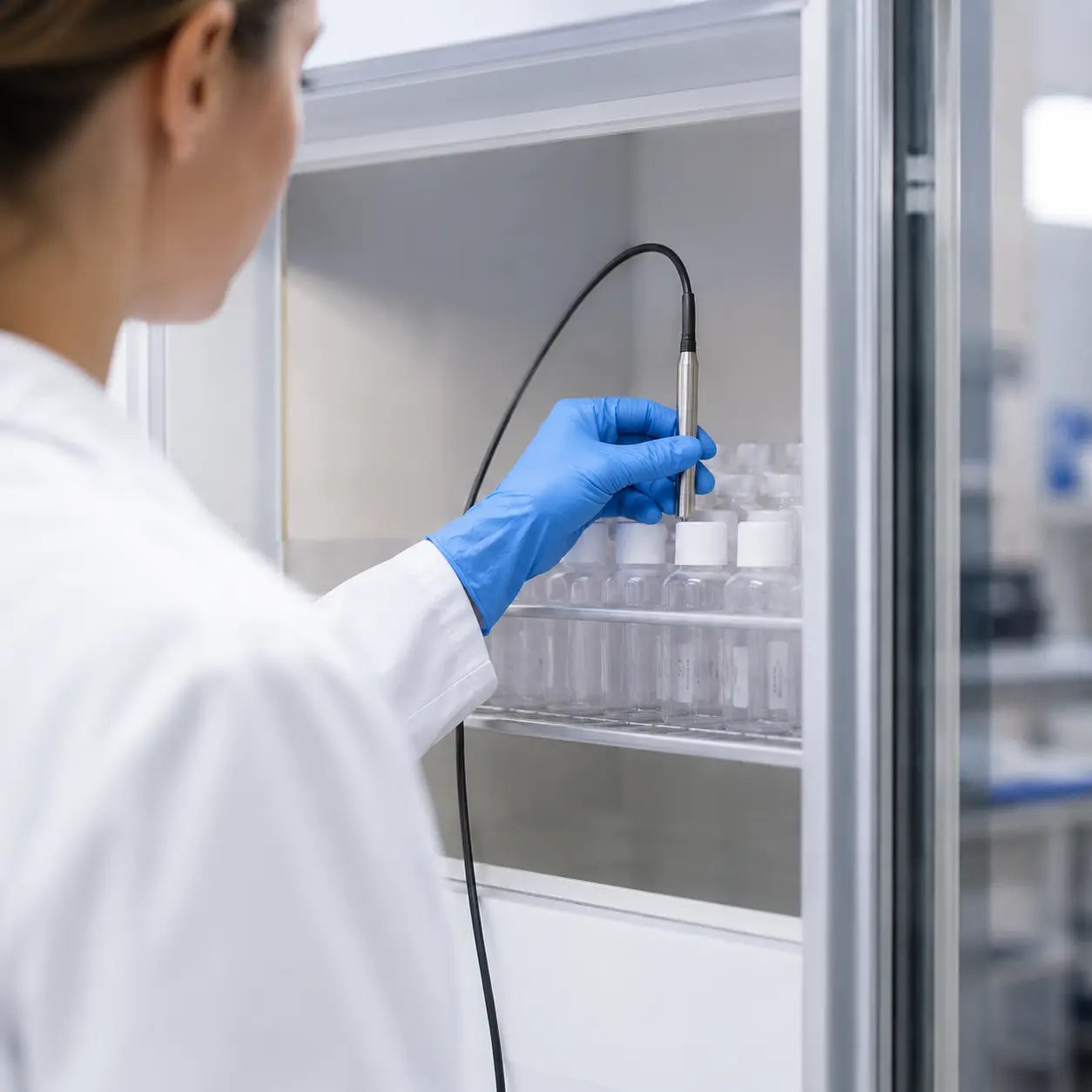
Wireless GenII transmitters and wired probes monitor ultra-low temperature freezers, cryogenic storage and cold rooms across the estate, calibrated against UKAS-traceable standards so every reading is defensible.
Explore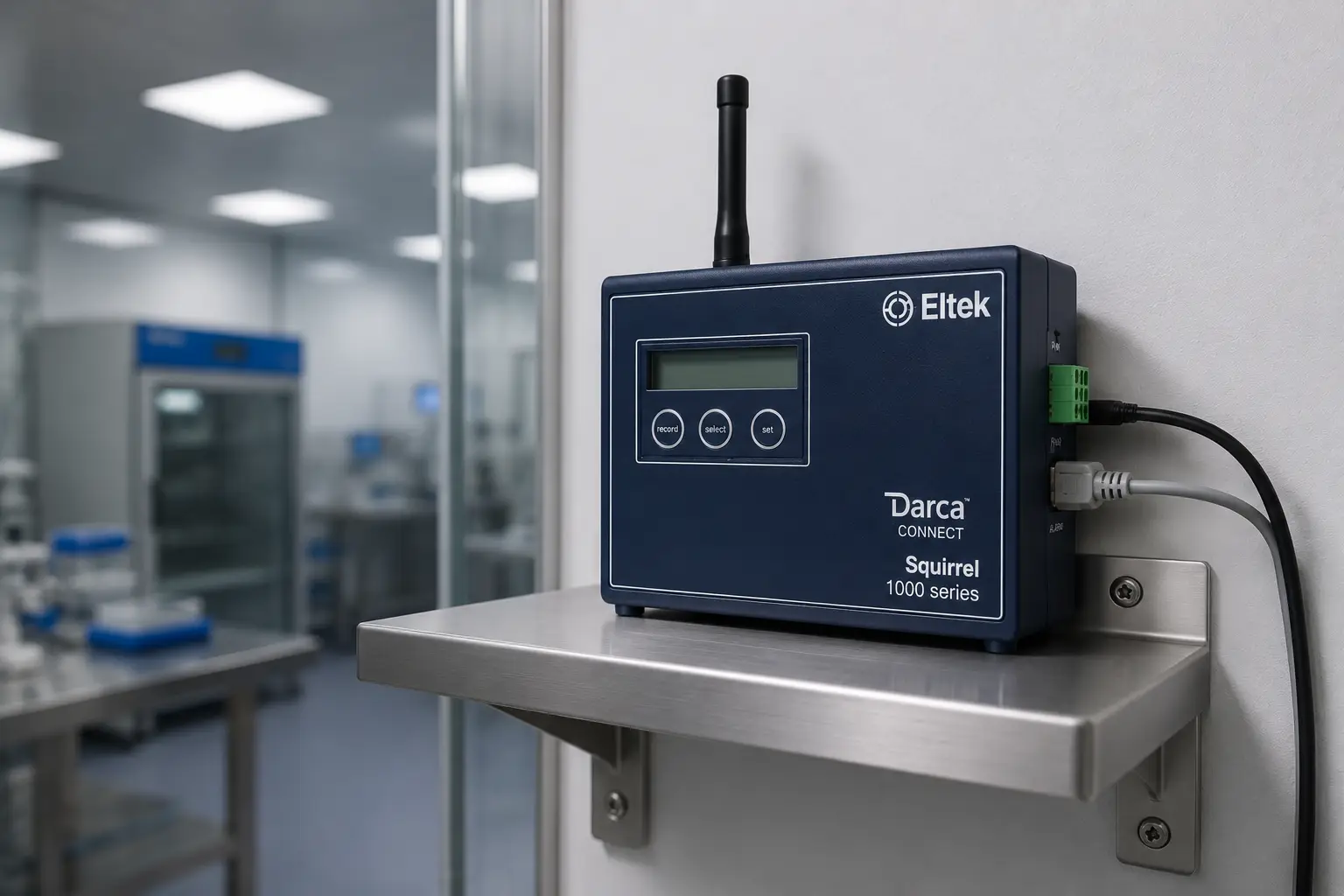
Darca Connect
The SRV450 hub and RP250-USB repeaters carry readings across departments, buildings and outlying spaces to one collection point, with SMS450 alarms escalating a failure by SMS and email out of hours.
Explore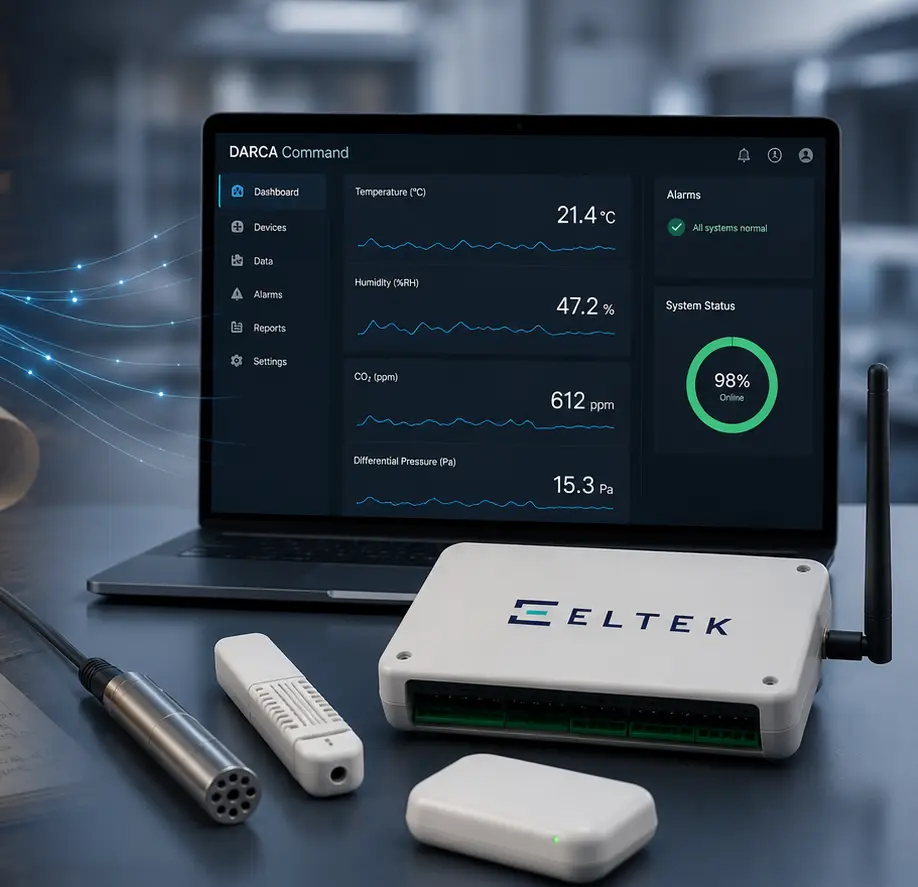
Darca Command
Darca Command holds a continuous, time-stamped, tamper-evident record of every store, with trends, scheduled reports and role-based access, so a small team evidences conditions for research governance from one dashboard.
ExploreProven in a university biobank
Ultra-low temperature freezer mapping and validation for a leading UK university biobank
A leading UK university biobank turned to Eltek for temperature mapping and continuous monitoring of its ultra-low temperature sample storage. GenII loggers map and then continuously monitor the freezers, with audit-trailed records and email and SMS alarms, meeting research-governance traceability for samples that have no second copy. The same connected system that proves conditions day to day also captures the mapping that qualifies the storage, all backed by UKAS-traceable calibration, so the biobank can evidence exactly how its irreplaceable material was held.
The Occupational and Environmental Physiology Group at Coventry University used Eltek’s GenII wireless system to track thermal conditions across seven body and cooling-suit locations simultaneously in a controlled research chamber, at 10-second intervals.
- University biobank
- ULT storage
- Research governance
- UKAS-traceable calibration
Speak to an Eltek expert
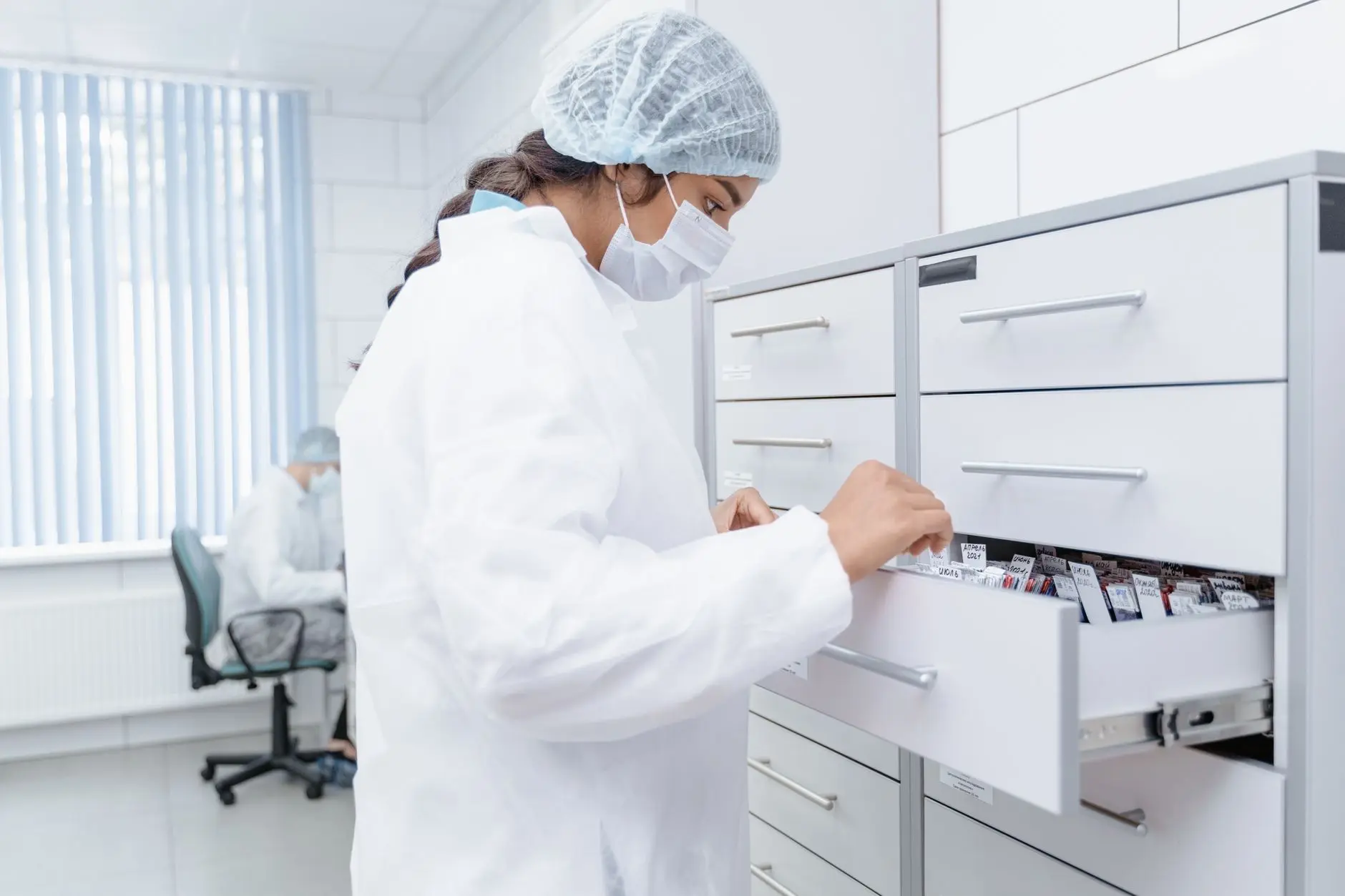
Tell us about your freezers, cryogenic storage and cold rooms, wherever they are on campus, and our UK engineers will design monitoring that reaches every one and evidences the conditions your research depends on.
Related reading
Case studies
Named installations, including a leading UK university biobank, and the evidence they run on.
Read moreEquipment we monitor
Ultra-low temperature freezers, cryogenic storage and cold rooms, and how each is monitored across an estate.
Read moreMonitoring across a large, multi-zone facility
How a single connected system reaches dozens of freezers across departments, buildings and outlying spaces.
Read moreHow a university sports-science lab uses thermistor probes
How a UK sports-science teaching and research lab measures skin temperature with Grant thermistor probes and a multi-channel data logger.
Read moreMore in Life Sciences
Pharmaceutical Manufacturing
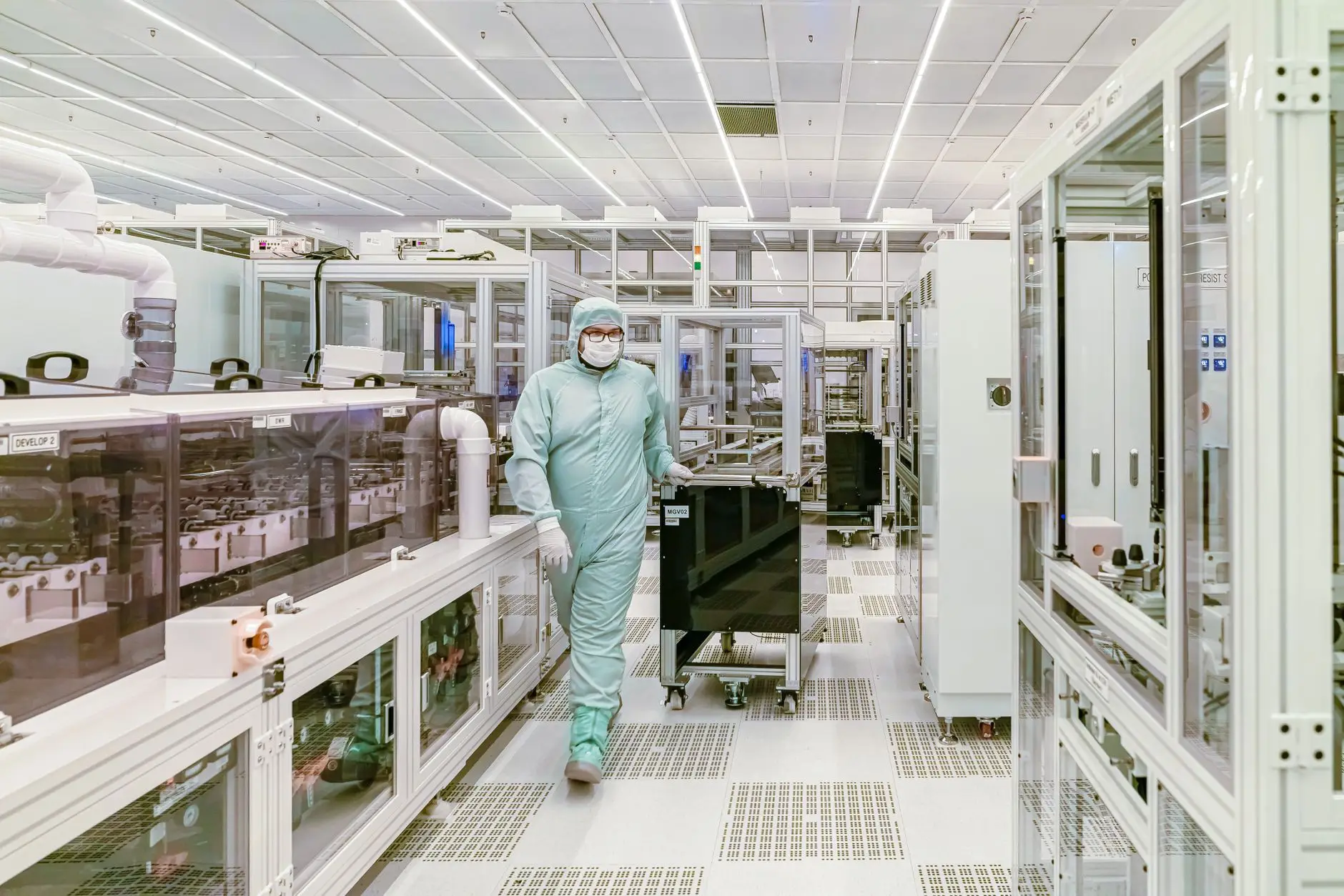
GMP sites, cleanrooms, cold rooms and stability storage. Continuous monitoring and audit-ready records for the environments a regulated batch depends on.
Explore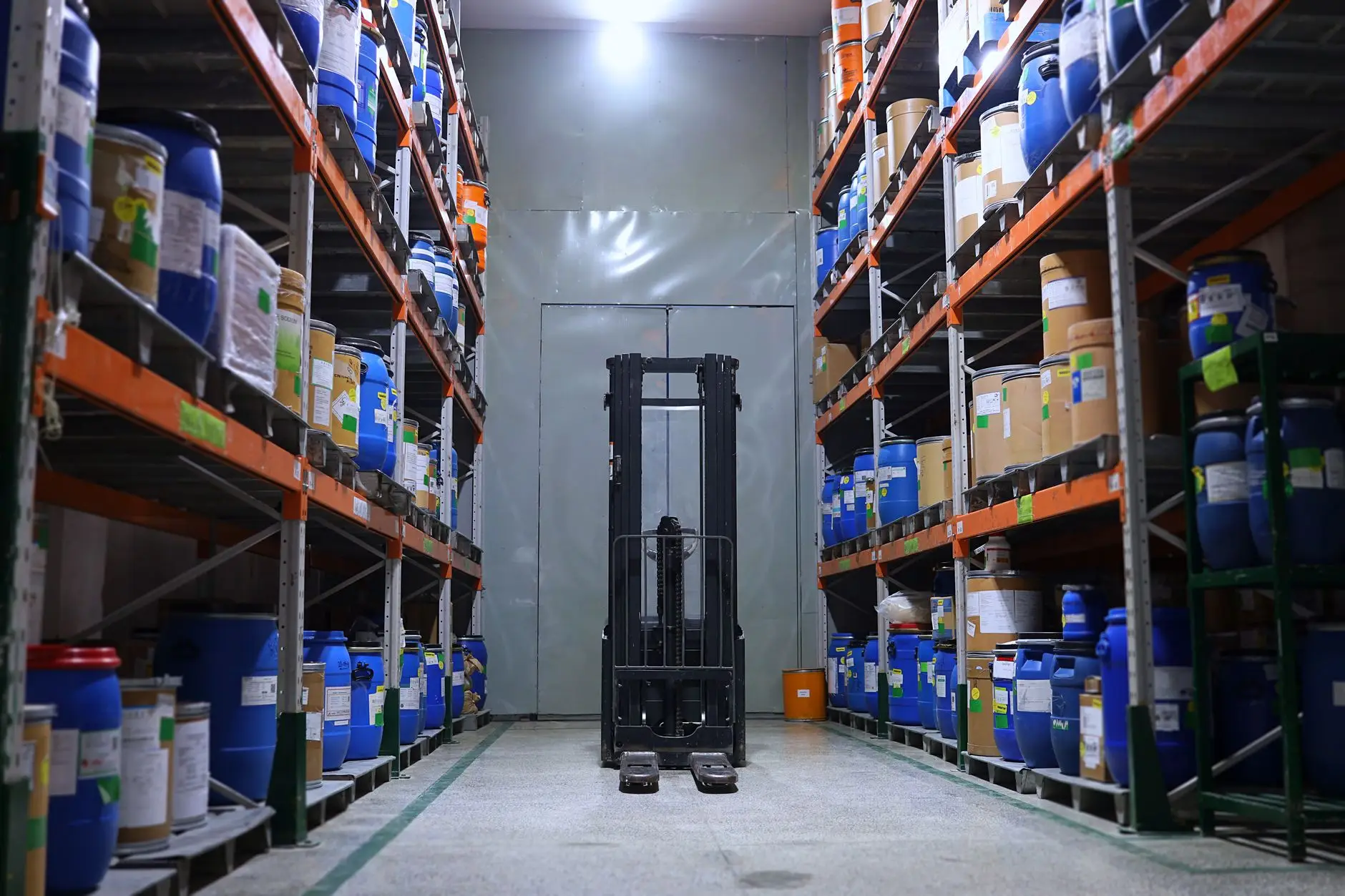
Cold Chain Monitoring
Cold rooms, refrigerators, freezers and GDP warehouses. Continuous monitoring, mapping before use and audit-ready records that prove the cold chain held.
Explore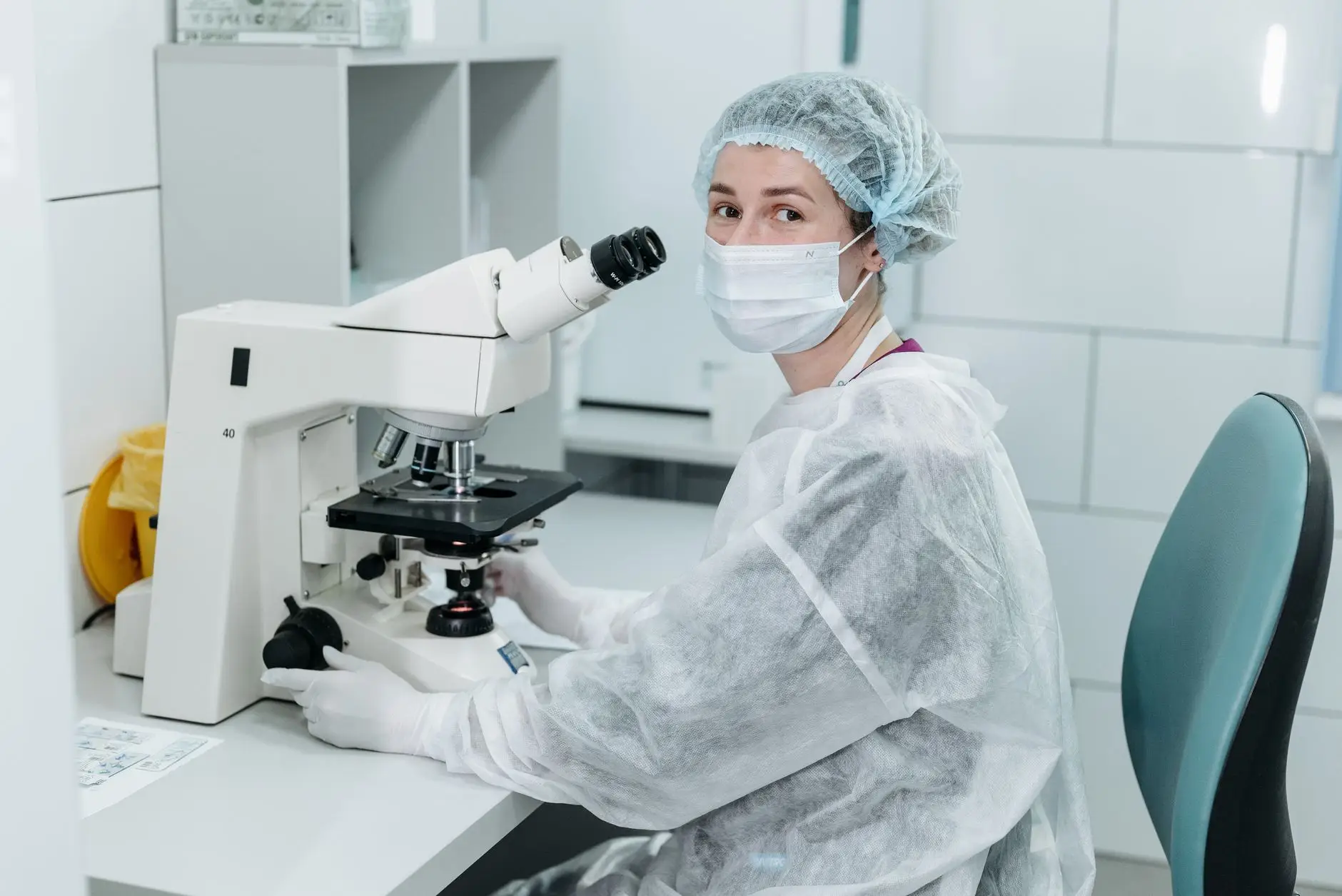
IVF & Fertility Clinics
Incubators, cryogenic storage and the embryology lab. Continuous monitoring and instant alarms for samples that can never be replaced.
Explore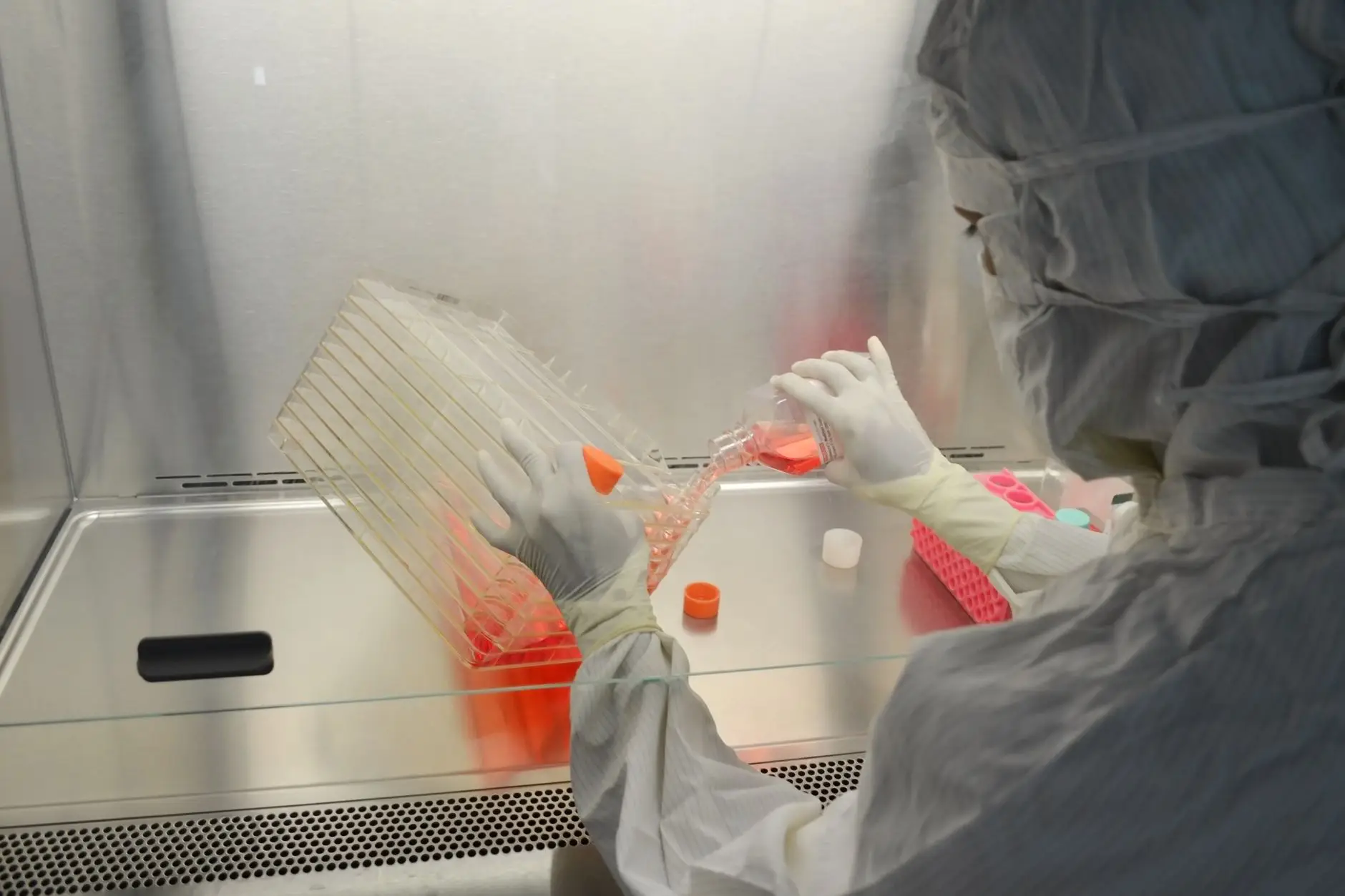
Biotechnology & Cell and Gene Therapy
Cell and gene therapy, ATMPs and biotech. Continuous monitoring of cryogenic storage, cleanrooms and process areas, with audit-ready data integrity.
Explore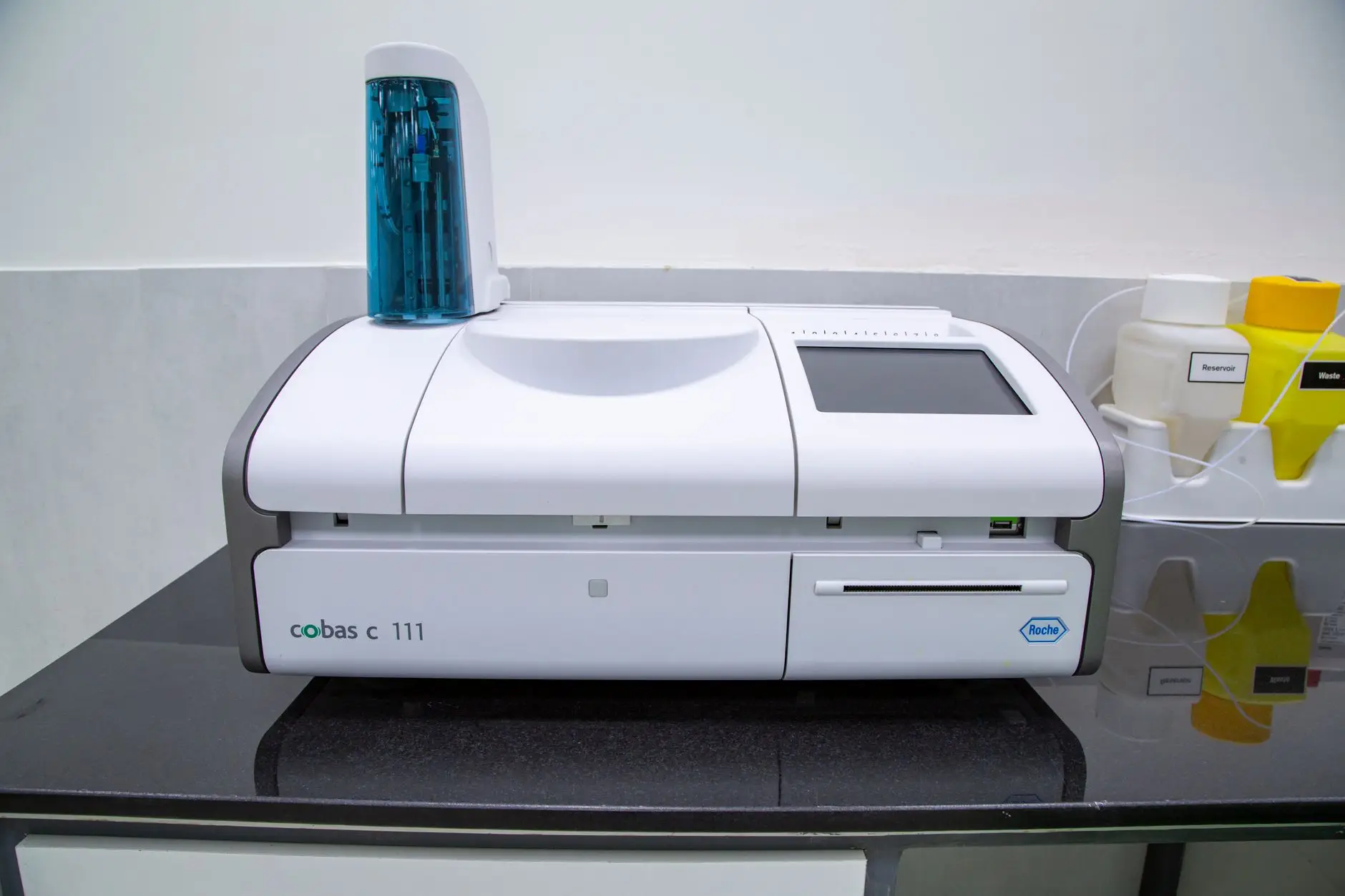
Clinical & Diagnostic Laboratories
NHS pathology, diagnostics and contract testing. Continuous monitoring of fridges, freezers and sample stores, with a record for UKAS and ISO 15189.
Explore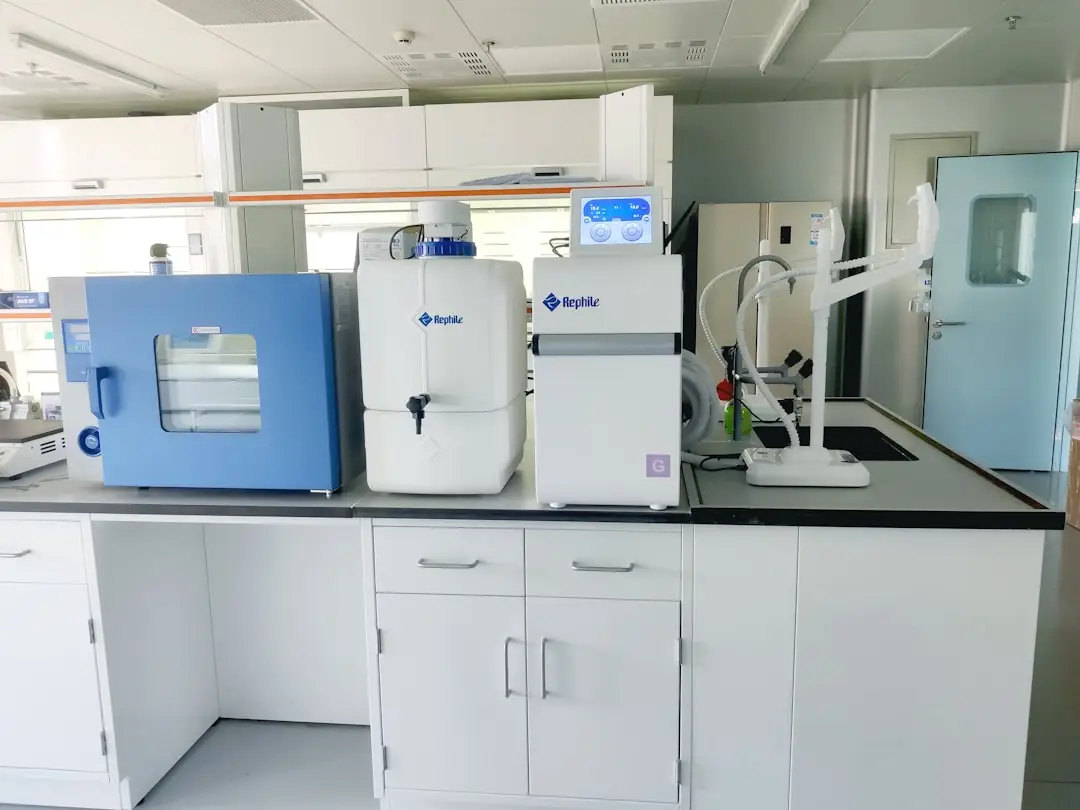
Equipment we monitor
ULT freezers, refrigerators, incubators, stability chambers, cold rooms, cryogenic storage, cleanrooms and GDP warehouses. One compact answer per equipment type.
Explore
Temperature monitoring guide
What temperature monitoring is, what to look for in a system, wired versus wireless, UK compliance, and how Eltek monitors continuously with alarms and audit-ready records.
Explore
Humidity monitoring guide
What relative humidity monitoring is, why it matters, what to look for, wired versus wireless RH sensing, and how Eltek monitors humidity and temperature continuously with alarms and audit-ready records.
Explore
Temperature mapping guide
What a mapping study proves, how to run one, sensor placement principles, duration, UK compliance expectations, and the calibrated equipment your results depend on.
ExploreData logger guide
What a data logger is, the wired and wireless types, what to look for, why calibration matters, and how Eltek’s loggers feed one connected platform with alarms and audit-ready records.
ExploreFrequently asked questions
How do you monitor a large estate of research freezers across a campus?
A single connected Darca Suite monitors ultra-low temperature freezers, cryogenic storage and cold rooms across departments and buildings, using wireless GenII transmitters and RP250-USB repeaters to extend coverage to outlying spaces, basements and outbuildings a wired network never reaches. Every unit reports into one platform, so a small team sees the whole estate from one dashboard rather than walking round to read loggers, and every freezer, including the one in the far corner, is monitored the same way.
Will we be told if a research freezer fails out of hours?
Yes. Research estates are rarely watched around the clock, and a freezer that fails on a Friday evening cannot wait until Monday. SMS450 sends grouped SMS and email alerts that escalate to the people you nominate, at any hour, so a failing freezer is caught while there is still time to move samples. Escalation means that if the first person does not respond, the alert moves to the next, so an irreplaceable cohort is not lost because one message went unanswered.
How does monitoring support research governance and Human Tissue Authority requirements?
Research that stores relevant human material falls under the Human Tissue Act 2004 and the Human Tissue Authority framework, which expect such material to be stored securely, traceably and accountably, and institutional research governance sets similar expectations for samples and data. Continuous monitoring provides the timestamped record of the conditions freezers and stores actually held, and the alarms that let a team respond to a failure, which is the evidence a governance review or an HTA-relevant audit asks for. Eltek supplies that record and calibration; the institution owns its governance and procedures.
Can a small team realistically look after a large freezer estate?
That is exactly what continuous, remote monitoring is for. Instead of walking the estate to read loggers or trusting that the freezers are fine, a small team sees every ultra-low temperature freezer, cryogenic store and cold room on one dashboard, is alerted the moment one drifts, and has a complete record to evidence conditions. The monitoring does the watching, so a handful of researchers and facility managers can look after an estate that would otherwise need far more hands.