
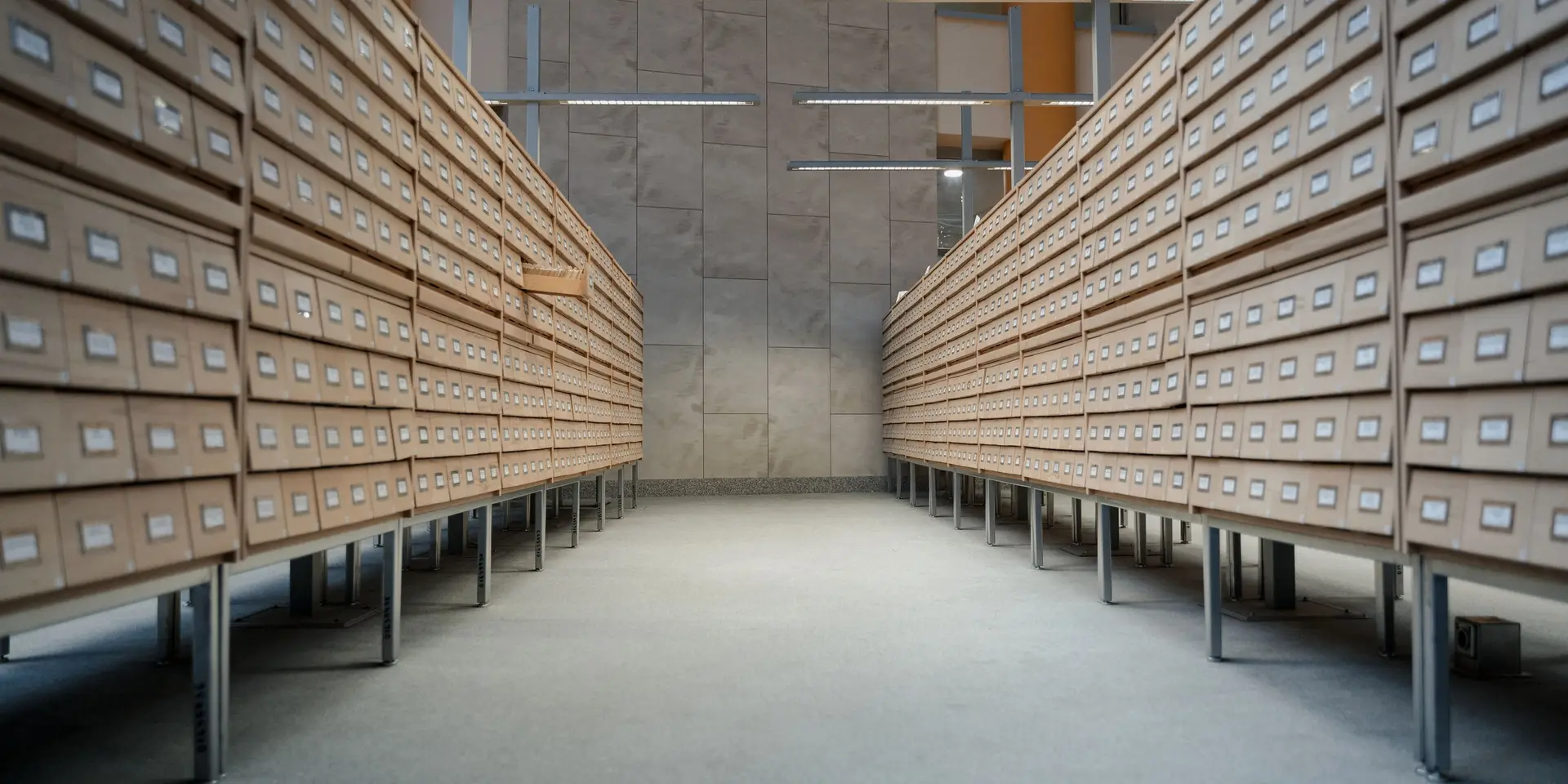
Stable, monitored conditions for archives, document and special collections
Monitor temperature and humidity where it matters most. Battery-powered wireless or wired sensors provide a continuous, timestamped record of conditions at shelf level across your main store and remote repositories without relying on your building’s IT network.
Trusted at the National Archives of Ireland, protecting over 60 million documents across nine floors and two buildings.
The problem
Archive and collection stores are their own monitoring problem
An archive is not a display space, and it does not behave like one. Documents, photographs, parchment, textiles and rare books sit boxed and shelved for years at a time, often in off-site or remote stores that nobody enters between retrievals, and frequently across more than one building. What matters is not how a room feels on the day but how its conditions move across the seasons, because it is the slow drift and the sudden swing, not a single reading, that ages the collection. Eltek has monitored stores exactly like these for over 40 years, as the National Archives of Ireland shows.
What environmental conditions do archives and document stores need?
Archives, document stores and special collections need stable, moderate conditions and protection from rapid fluctuation, because swings in temperature and humidity drive paper deterioration, mould growth, ink fading and warping. Current guidance is risk-based rather than a fixed table of numbers, so the practical answer is continuous monitoring that evidences how each store actually behaves.
Measurement scope
What environmental parameters should an archive monitor?
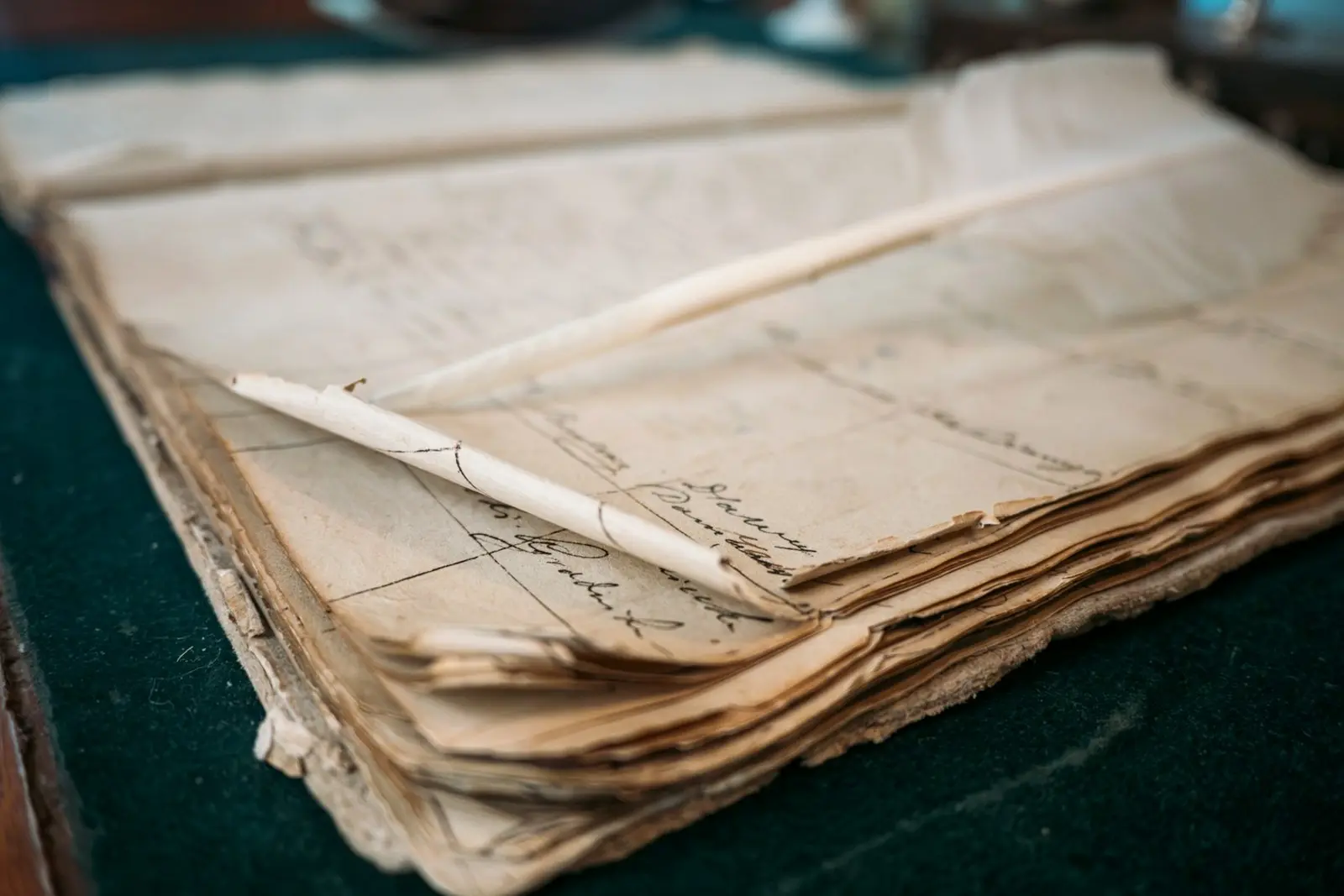
Three parameters define the environmental picture an archive needs to monitor: temperature, relative humidity, and light, both visible and ultraviolet. Together, all three, logged continuously rather than spot-checked, give a conservator the complete picture: catching harmful drift early, across main and off-site stores, and building the time-stamped record that demonstrates the conditions each collection has been held in.
-
Temperature — the baseline for every material; swings and drift matter more than any single reading.
-
Relative humidity — the main driver of mould, distortion and embrittlement in organic materials; stability is the goal.
-
Light (visible and ultraviolet) — cumulative exposure fades and weakens sensitive items; monitored for special collections and on display.
The challenge
What makes environmental monitoring in an archive store so difficult?
Fluctuating humidity, mould and distortion
Damp, and humidity that rises and falls, is the single biggest threat to a paper-based collection. Sustained high humidity invites mould across boxes and bindings, while repeated swings make paper and parchment expand and contract until they cockle, warp and distort. The damage accumulates quietly between visits, which is exactly when nobody is watching.
Every material ages differently
An archive rarely holds one material. Paper embrittles and browns, iron-gall and early inks fade or bite into the page, leather bindings dry, crack and powder, and photographic and film materials are more sensitive still. A store has to hold conditions that serve a mixed collection, not a single medium.
Off-site and remote stores nobody visits
The lowest-cost space is often the least watched: an off-site repository, a basement run, an outlying building. These are the shelves most likely to drift unnoticed, and a system that depends on somebody walking round to read a logger leaves the longest gaps in exactly the places you can least afford them.
The conditions that invite pests
Warmth and damp do not only harm the paper directly, they create the conditions in which pests become active. Monitoring the environment continuously is the early-warning signal that a store is trending towards the temperature and humidity in which an infestation can take hold, before it reaches the collection.
The solution
How Eltek monitors an archive across every store
Four principles: measurement at the shelf where the collection actually sits, coverage that reaches off-site and remote stores as readily as the main building, data collected remotely so a drift is seen without a site visit, and a continuous record you can put in front of a conservator, an auditor or an accreditation body.
Wireless or wired, measured at the shelf
Battery-powered GenII wireless transmitters, the GD10 and GC10, record temperature and relative humidity at shelf level with no cabling to run, and wired sensors are available where you would rather have them. Servicing a wireless unit means replacing batteries, nothing more.
Coverage across main and off-site stores
RP250-USB repeaters relay readings around dense metal shelving, thick walls and floors, and across separate buildings, so an off-site repository or a remote store reports into the same system as the main archive rather than being monitored in isolation.
Remote collection, no dependency on building IT
The SRV450 receiver-logger gathers the wireless network and relays it securely to Darca Command over 4G, so a store’s conditions are visible without anyone entering it and without relying on the building’s Wi-Fi or wired network. SMS450 turns a threshold breach into grouped SMS alerts.
Light monitoring for special collections
For special collections, rare books and photographic material, where light accelerates fading, CB70 and CB70X transmitters record visible and ultraviolet light alongside temperature and humidity, so reading-room exposure and loans are part of the same record.
Evidence for auditors and accreditation
Darca Command holds a continuous, timestamped record of conditions at every monitored point, with trends and reports over any period. That documented trail is what auditors, funders and accreditation bodies ask to see: not a claim that conditions held, but the record of what actually happened, store by store.
Standards and guidance
What standards apply to archive and collections storage?
British and European guidance for archive and collection storage now focuses on matching conditions to the specific materials in each collection and how the collection is used and accessed, justified by evidence. The emphasis is on avoiding extremes and, above all, on limiting rapid change, and on building the evidence record that demonstrates what conditions each collection has actually been held in.
For archives and libraries specifically, BS 4971:2017, Conservation and care of archive and library collections, is the current British Standard covering the care, handling and storage of these materials. Where the question is the building or room the collection is held in, BS EN 16893:2018, Conservation of cultural heritage. Specifications for location, construction and modification of buildings or rooms intended for the storage or use of heritage collections, is the current standard. It superseded earlier BSI documents in this area, among them PAS 198:2012, the previous specification for managing environmental conditions for cultural collections.
For an archive, the practical consequence is the same either way. If the guidance will not hand you a universal number, the conditions you agree with your conservation advisers have to be justified by evidence, and that evidence is a continuous record of how each of your stores actually behaves through a full year. That is what monitoring is for, and it is why museums and heritage organisations treat the data as part of the collections-care record rather than a facilities report.
In practice that reframes what the record is for. It is not a confirmation that conditions matched a target, it is the evidence base from which the conditions appropriate to your collection, your building and the way it is accessed are justified in the first place, and then held. When an auditor, a funder or your own conservation team asks what conditions prevailed in a given store, the answer is the record itself.
The platform
The Darca Solutions Suite
One connected suite, wired and wireless, for the main archive, the off-site store and the reading room alike.
Darca Collect
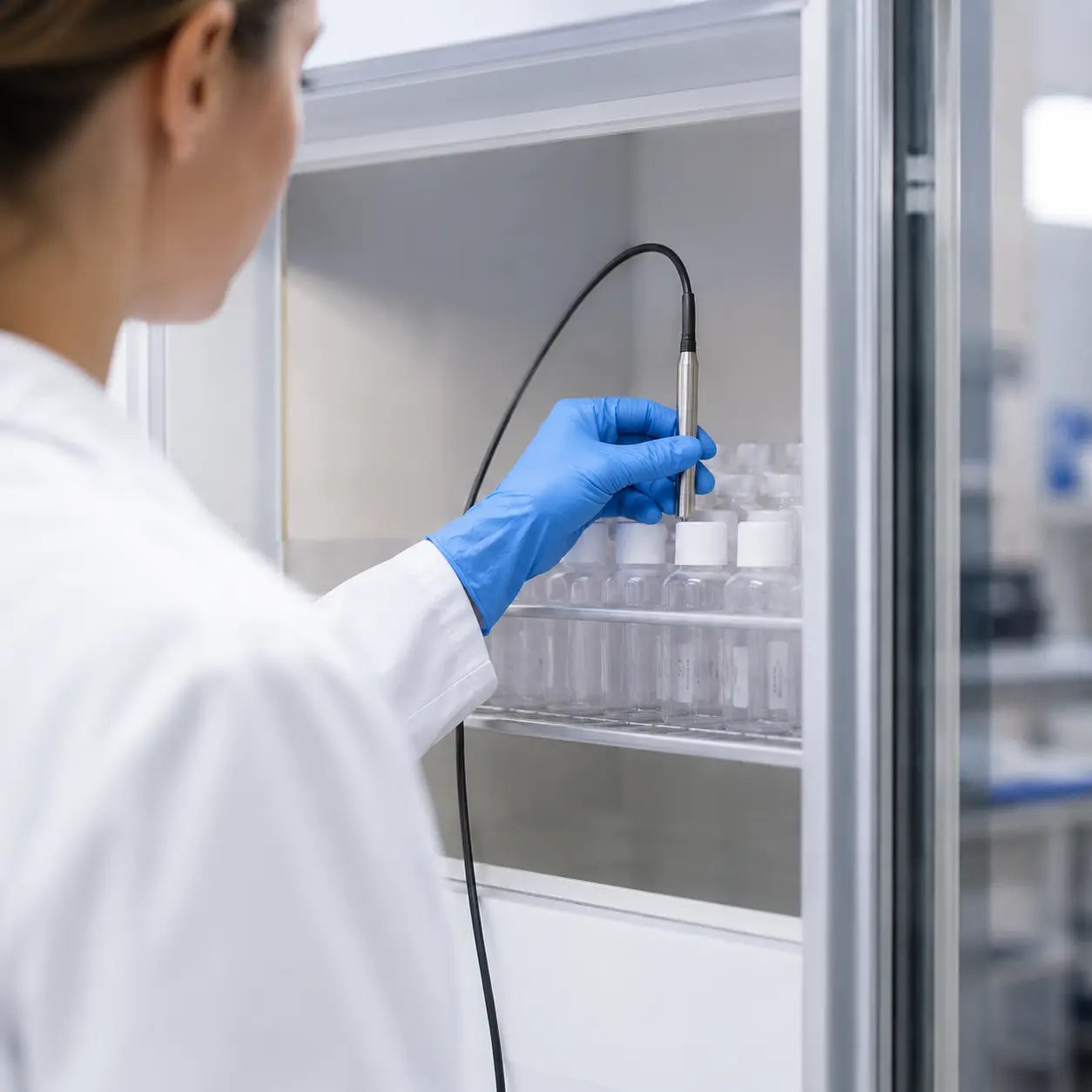
GenII wireless transmitters, the GD10 and GC10 for temperature and relative humidity and the CB70 and CB70X for visible and ultraviolet light, monitor conditions at the shelf across the main store, off-site repositories and reading rooms, wired or wireless.
Explore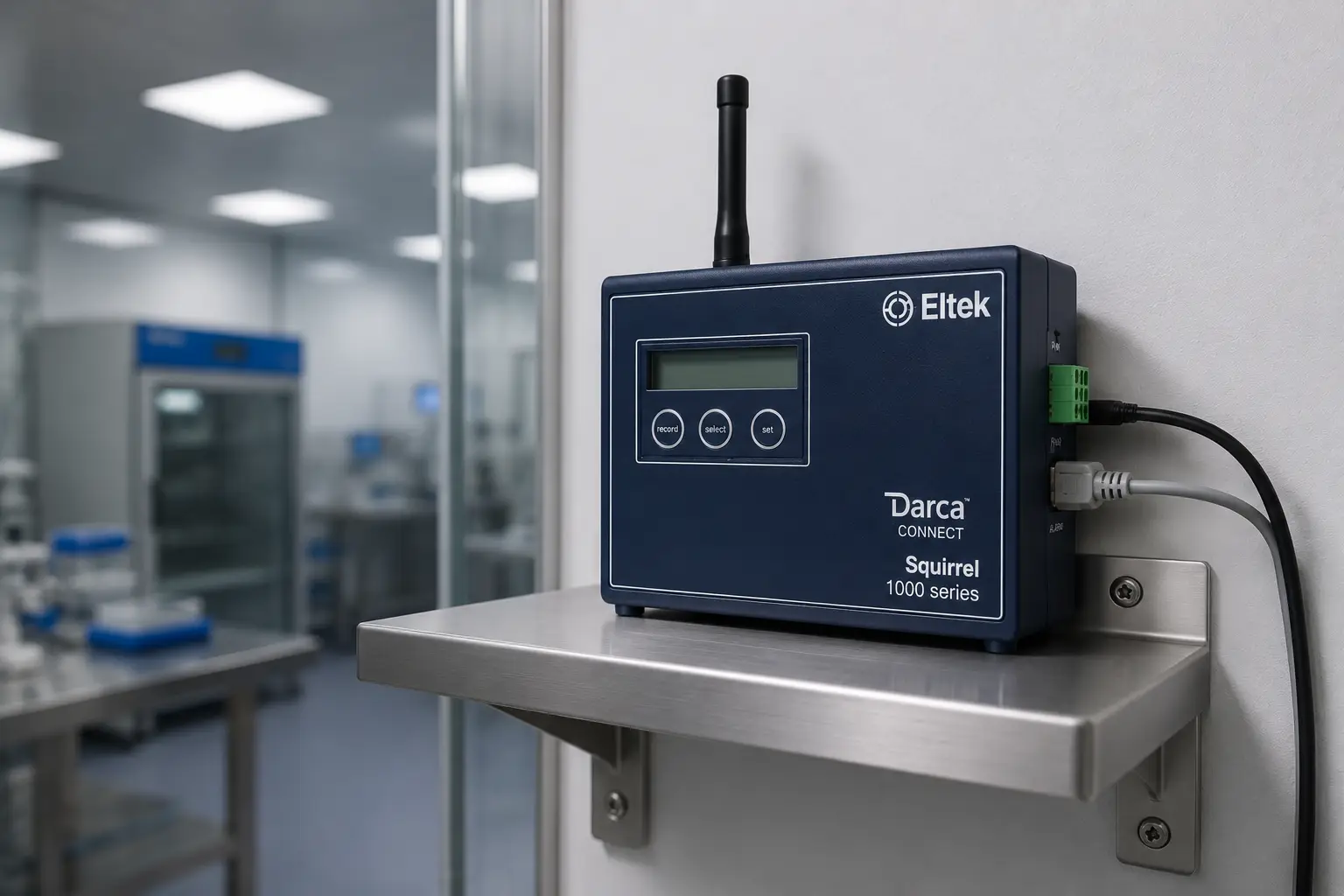
Darca Connect
The SRV450 receiver-logger and RP250-USB repeaters carry readings through dense shelving and across separate buildings to one collection point, over the mobile network rather than the building’s IT, with SMS450 alarms the moment a threshold is breached.
Explore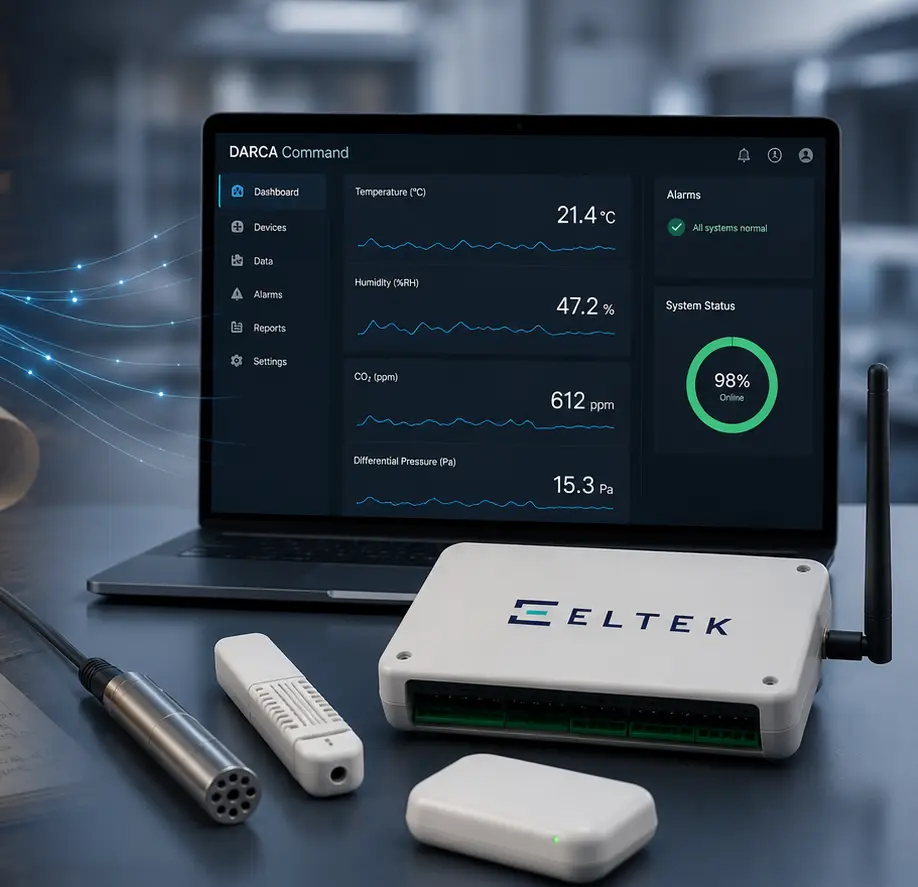
Darca Command
Trends, floor plans and timestamped, audit-ready reporting, so archivists and facilities teams see every store at a glance and evidence conditions to auditors, funders and accreditation bodies from anywhere.
ExploreProven in a national archive
36 sensors across nine floors and two buildings, protecting over 60 million documents
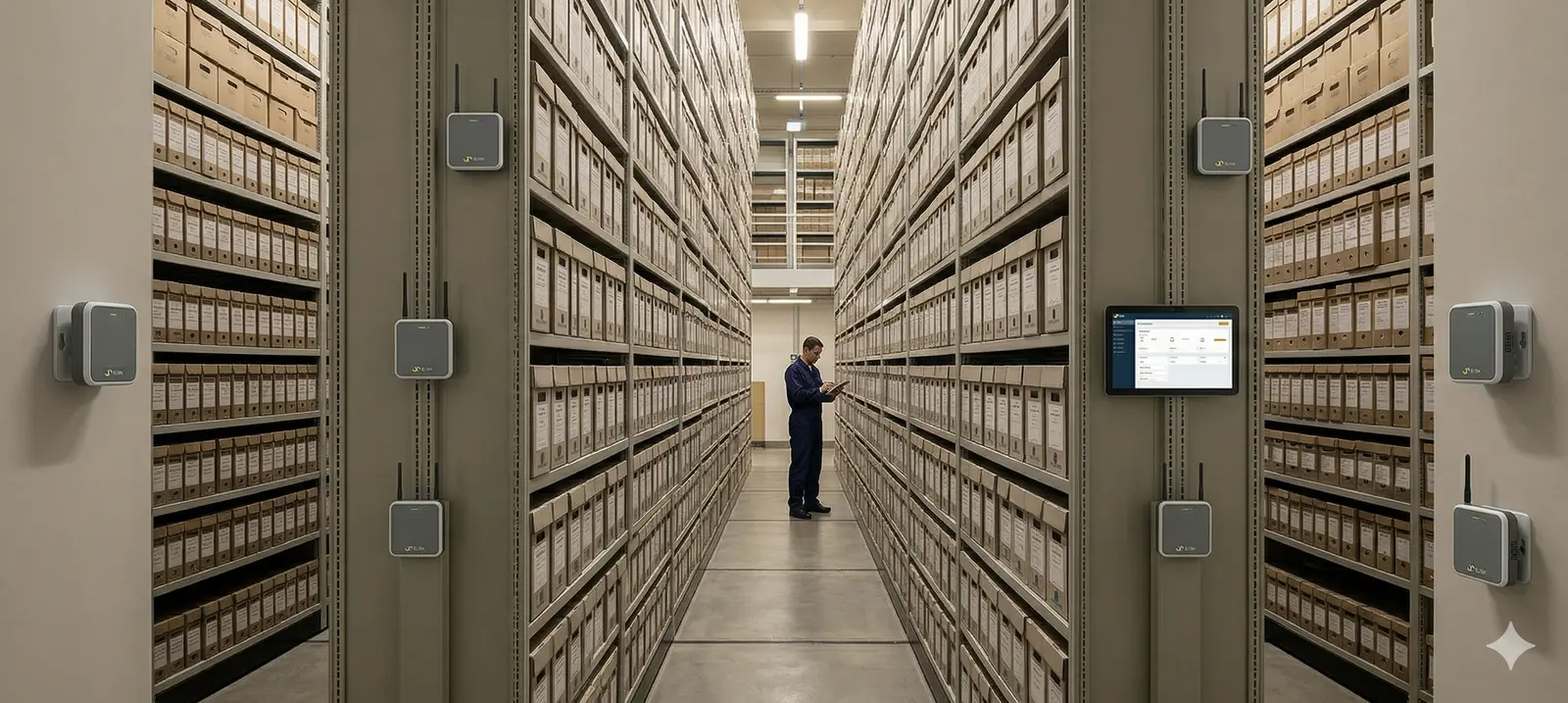
The National Archives of Ireland is the official repository of the Irish State’s records, home to over 60 million documents spanning more than 200 years, shelved floor to ceiling where every box depends on the right temperature and humidity to survive. When its ageing telemetry system reached the end of its life, Eltek replaced it with a cloud-based system running over the mobile data network, with no dependency on Wi-Fi or wired networking: sensors across six floors of the main building and further sensors across three floors of an off-site store, all wall-mounted, with repeaters extending coverage, and more to be added as a new repository is completed. Staff view every floor of both buildings through Darca Command on any device, and respond wherever they are.
- Official State repository
- 60 million-plus documents
- 36 sensors across 9 floors
- No dependency on building IT
Speak to an Eltek expert
Tell us about the collection, the stores you look after and where your off-site or remote repositories sit, and our UK engineers will map the sensors, repeaters and receiver your archive needs.
Related reading
How wireless coverage is designed in difficult buildings
Why repeaters matter, how a network routes around dense shelving, thick walls and separate buildings, and how coverage across a multi-store site is planned rather than guessed.
Read moreChoosing and placing probes for a demanding store
Sensor choice and placement where conditions are demanding, and why where you measure changes what the data tells you.
Read moreThe Eltek technology behind it
Darca Collect, Connect and Command: the wired and wireless sensing, the hubs and alarms, and the software that ties a site together.
Read moreMore in Museums & Heritage
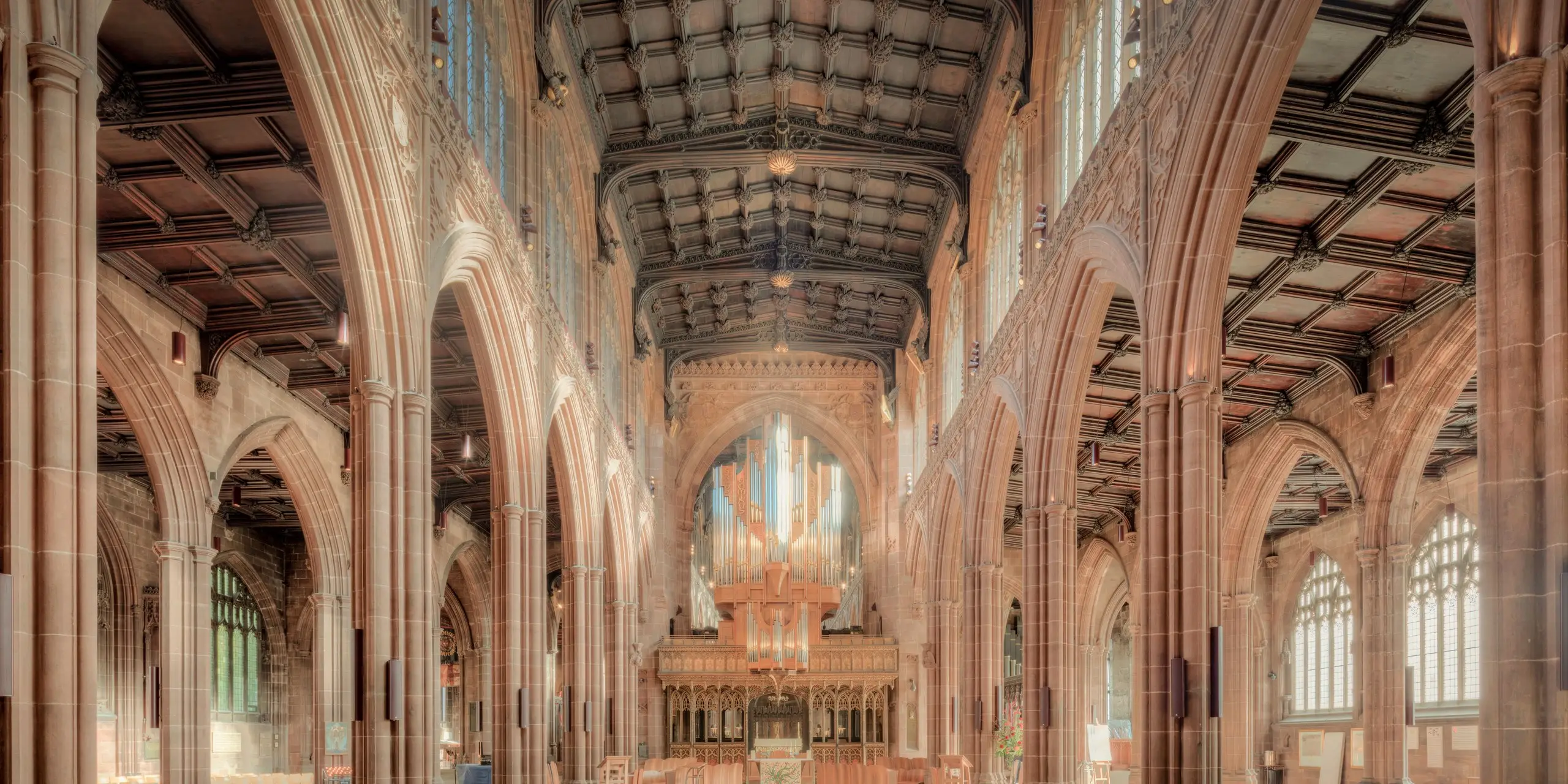
Historic Houses & Heritage Buildings
Cathedrals, country houses and historic estates. Battery wireless monitoring for buildings you cannot drill, cable or visit often.
Explore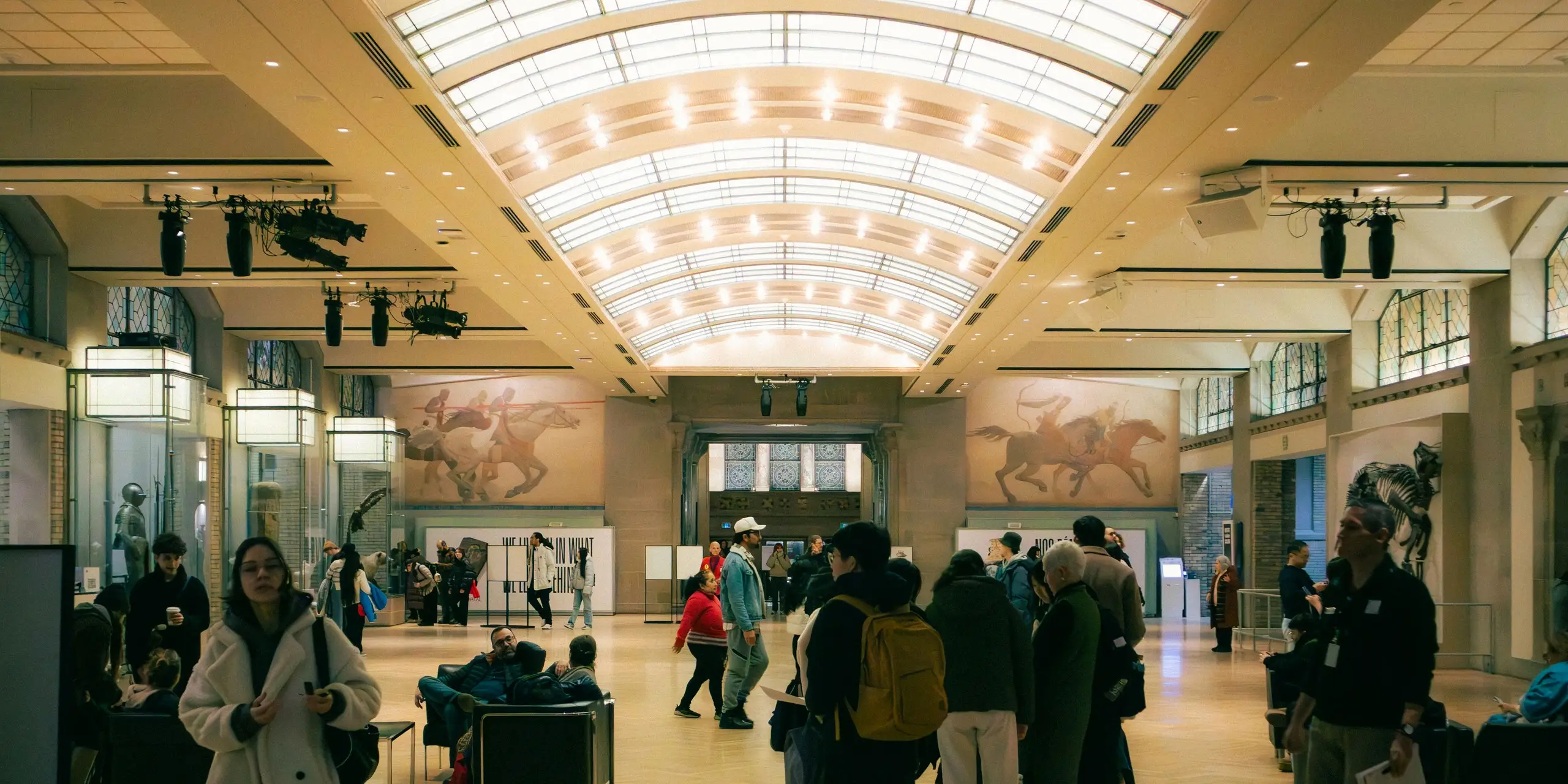
Galleries, Exhibitions & Loans
Temporary exhibitions, travelling shows and incoming or outgoing loans. Continuous temperature, humidity and light records that evidence the conditions a lender agreed.
Explore
Humidity monitoring guide
Why relative humidity is the biggest environmental risk to collections, what to look for in a system, wired versus wireless RH sensing, and how Eltek monitors humidity and temperature continuously.
ExploreFrequently asked questions
What temperature and humidity should an archive or document store be kept at?
Archive and document stores need conditions matched to their materials and to how the collection is used and accessed, with the emphasis on stability and avoiding rapid change. Two standards guide decisions: BS 4971:2017 for the conservation and care of archive and library collections, and BS EN 16893:2018 for the buildings and rooms they occupy. Eltek supplies the continuous record that evidences how each of your stores actually behaves against the conditions you and your conservation advisers agree are appropriate.
Can we monitor an off-site or remote store that has no reliable Wi-Fi or IT?
Yes. The SRV450 receiver-logger relays readings to Darca Command over the mobile data network, so an off-site repository or a remote store reports into the same system as the main archive without depending on the building’s Wi-Fi or wired network. At the National Archives of Ireland, sensors across an off-site store report alongside the main building on one cloud system that staff view from any device.
How do you get reliable coverage through dense shelving and across separate buildings?
Dense metal shelving, thick walls and structural steel all reduce wireless range, so coverage cannot be assumed. Where a direct link will not carry, RP250-USB repeaters relay readings around the obstacle, and coverage is designed for each site rather than taken for granted. This is how one system can span a packed main store, a basement run and an off-site repository and still report every shelf into a single place.
What does the monitoring record give us to show a funder or an accreditation body?
Darca Command holds a continuous, timestamped record of conditions at every monitored point, with trend analysis and reporting over any period you choose. Audit-ready reports of this kind are what help satisfy funders, depositors and accreditation, because they show the conditions actually measured at the shelf rather than a set point on a building management system. The record evidences what happened, when and where, which is the question those bodies ask.
Does an archive need to monitor light as well as temperature and humidity?
For special collections and anything on display, yes. Light, both visible and ultraviolet, causes cumulative, irreversible fading and weakening, so sensitive material benefits from light monitoring alongside temperature and relative humidity. A risk assessment for the collection decides how much weight each parameter carries.