
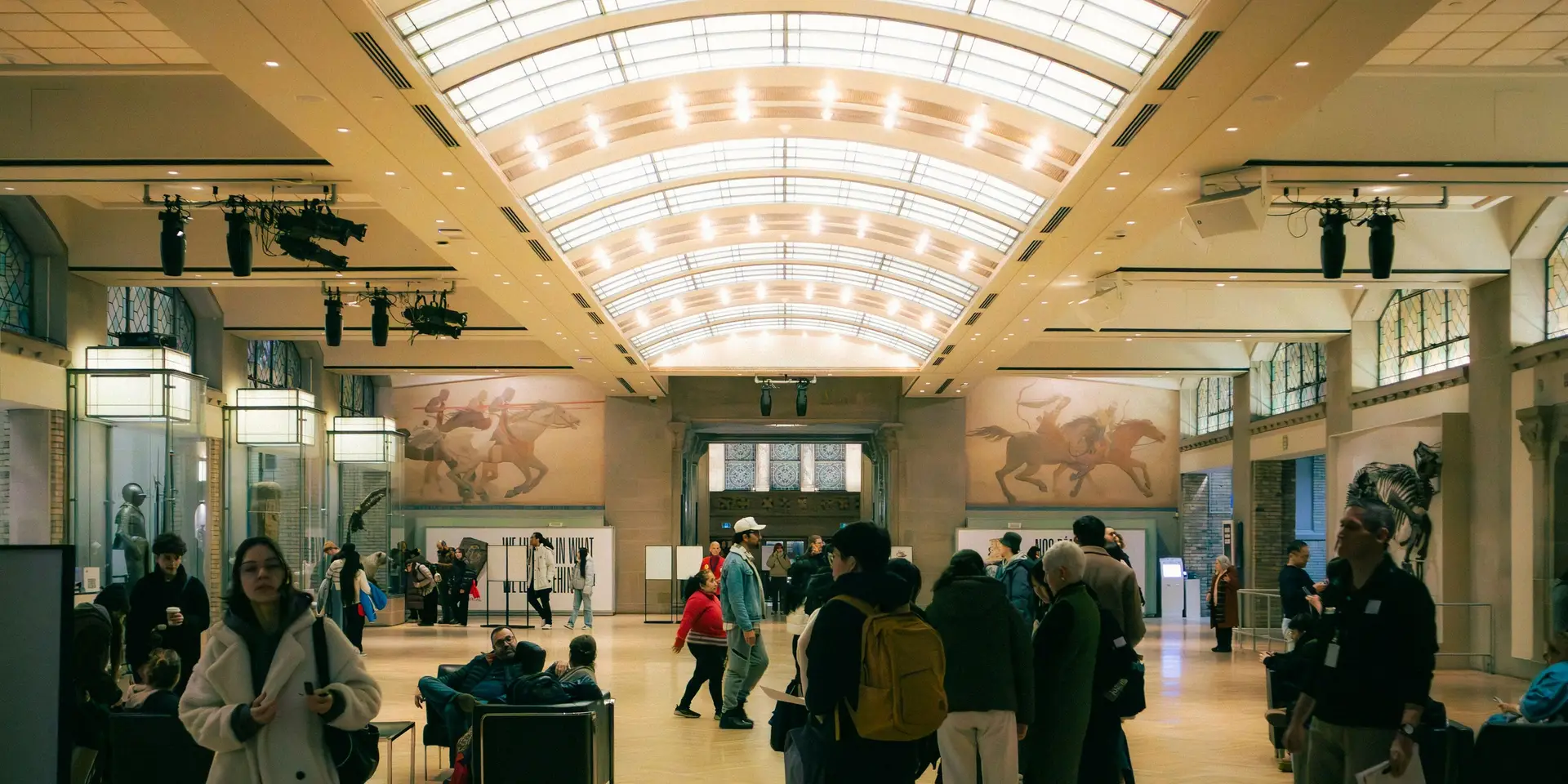
Proving stable conditions for loans and exhibitions
Battery-powered wireless sensors and compact display case monitors provide continuous temperature, humidity and light monitoring where objects are displayed, creating a complete environmental record for exhibitions, galleries and museum loans.
Trusted at the Fitzwilliam Museum in Cambridge, where temperature, humidity and light are monitored continuously and reported to bodies including Arts Council England.
The problem
A loan is a different monitoring problem from a permanent display
A permanent gallery hang is a long-running problem you manage. A loan is a short, closely scrutinised one you have to account for. An object arrives with agreed conditions attached, sits in a case or on a wall that may have been built for the show rather than for the collection, and leaves again with somebody expecting to be told what happened to it while it was yours. Temporary exhibitions change the room, travelling shows change the venue, and incoming and outgoing loans change who is asking. Eltek has monitored museum galleries for over 40 years, as the Fitzwilliam Museum shows.
What environmental conditions do you need for loans and the Government Indemnity Scheme?
Loans are increasingly agreed case by case rather than against one fixed specification, with the lender and borrower setting conditions appropriate to the object and the venue. The Government Indemnity Scheme works the same way: a borrower is expected to show how an object will be displayed and monitored. So what a gallery needs is continuous, time-stamped evidence.
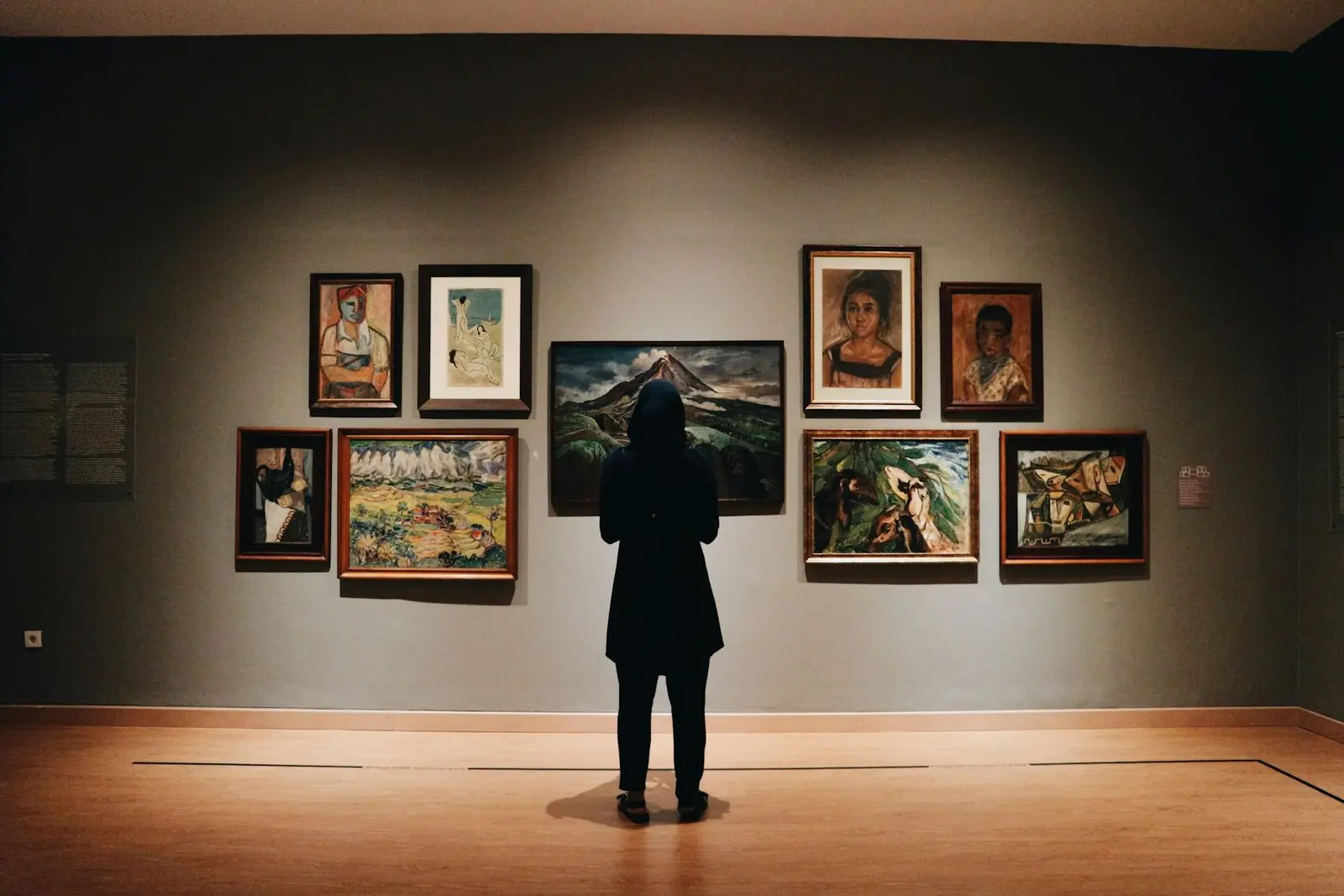
The challenge
What makes environmental monitoring for exhibitions and loans so difficult?
Conditions agreed per object, not per building
A loan agreement attaches conditions to one object, in one place, for one period, and the next loan attaches different ones. A building-wide set point tells you what the air handling was asked to do. It does not tell you what actually happened inside the case the object was in.
Temporary spaces, temporary evidence
A show is built, occupied and struck inside a few months. Partitions, new lighting, visitor numbers and door traffic all change how a room behaves, so the space you characterised last season is not the space you are accountable for now. The record has to follow the exhibition, not the floor plan.
Light is cumulative and irreversible
Light is a first-order concern in a gallery, and the damage it does accumulates: fading of inks, dyes and pigments does not reverse when the lamps go off. A loan condition covering light needs the same continuous record as temperature and humidity, measured where the object is rather than at the door.
Somebody will ask you to prove it
A courier signs an object in and out. A registrar answers for the loan. A lender, an indemnity scheme or an accreditation assessor may ask what conditions prevailed months later, for a period that has already ended. A spot reading taken at the time is not an answer to that question, and memory is not evidence.
The solution
How Eltek evidences conditions across a gallery, a case and a loan
Four principles: measurement where the object actually sits, light recorded on the same timeline as temperature and humidity, monitoring small enough not to become part of the display, and a record you can cut to one case, one gallery or exactly the period a loan was on show.
Measured at the object, not at the air handling
Battery-powered GenII wireless transmitters, the GD10 and GC10, record temperature and relative humidity in the gallery, on the wall or beside the object, with no cabling to run and nothing to route through a temporary partition. Servicing one means replacing batteries, nothing more.
Light recorded on the same record
Light is a first-order concern in a gallery, and it is cumulative. CB70 and CB70X transmitters measure visible and ultraviolet light alongside temperature and relative humidity, so a loan condition covering light is evidenced on the same record as the rest rather than in a separate spot-reading log.
Monitoring that does not become part of the display
Exhibition design does not always leave room for instrumentation. Eltek has worked with the Fitzwilliam Museum on smaller light, humidity and temperature monitors that sit inconspicuously inside display cases, so a case can be evidenced without the monitoring becoming part of the display.
Reports cut to a case, a gallery or a loan period
Because every reading is time-stamped and attributed to a sensor, a report can be drawn for one case, one gallery, or exactly the period a loan was on display, which is the form a lender or a registrar actually asks for. Darca Command exports the graphs, averages and readings in one step.
Alerts while the show is still on
The SRV450 receiver-logger gathers the wireless network and relays it securely to Darca Command over 4G, so conditions are visible without walking the galleries. SMS450 turns a threshold breach into grouped SMS alerts, which matters most when the object in the case is not yours.
Standards and guidance
What do lenders, the Government Indemnity Scheme and Accreditation actually ask for?
The Government Indemnity Scheme, provided for by the National Heritage Act 1980, indemnifies lenders against loss of or damage to a loaned object, so that a borrowing museum or gallery can show it without taking out commercial insurance. Arts Council England administers the scheme for non-national organisations, with separate guidelines for national institutions and equivalent routes across the devolved nations.
Indemnity is not granted on trust. A borrower is expected to show how an object will be transported, displayed, secured and monitored, through a facilities report and condition reports, and to satisfy the scheme that arrangements provide the environmental monitoring and control the object actually needs. Conditions are reported on through the loan period. In practice that means a registrar has to produce evidence, and evidence means records: continuous, time-stamped, and attributable to the case or gallery the object sat in.
Loans practice has shifted. Rather than one fixed specification applied to everything, temperature, humidity and light risks are increasingly managed case by case, according to the object, the venue and the context of the exhibition, with the parameters agreed between lender and borrower. The Bizot Green Protocol, issued by the Bizot Group and last refreshed in 2023, points the same way. It is voluntary guidance rather than a standard, and it moves museums towards wider and more flexible environmental parameters for loans and exhibitions, and towards lower-carbon choices in how objects and people travel. Institutions are adopting it, from the UK national museums to a consortium of Los Angeles museums in 2026. Here is the part that matters for monitoring. A wider range is not a looser obligation. It is a range you have agreed with a lender and now have to demonstrate you held, which takes better evidence rather than less of it.
The UK Museum Accreditation Scheme is run in partnership by Arts Council England, Museums Galleries Scotland, the Northern Ireland Museums Council and the Welsh Government, and its current standard dates from 2018. Collections care sits inside its managing-collections section, which links to Spectrum, the UK collections management standard. Accreditation is assessed on how a museum plans and documents its collections care, not on hitting a published number, and what an assessor can see is whether you know how your spaces behave and can show it. Where a standard is cited in this space, check its scope before you rely on it: BS 4971:2017, Conservation and care of archive and library collections, covers archive and library collections specifically, so it speaks to a reading room or a special-collections display rather than to a mixed museum exhibition.
So the honest summary is this. Eltek does not grant indemnity or accreditation, and it cannot get a loan approved. What it gives you is the record you need to evidence the conditions you agreed with a lender: continuous, time-stamped, attributable to the case or gallery the object sat in, and drawable for exactly the period that matters. That is why museums and galleries treat the data as part of the collections-care record rather than a facilities report.
The platform
The Darca Solutions Suite
One connected suite, wired and wireless, for the permanent galleries, the temporary show and the case on loan.

Darca Collect
GenII wireless transmitters, the GD10 and GC10 for temperature and relative humidity and the CB70 and CB70X for visible and ultraviolet light, monitor conditions in the gallery, on the wall and inside the display case, wired or wireless.
Explore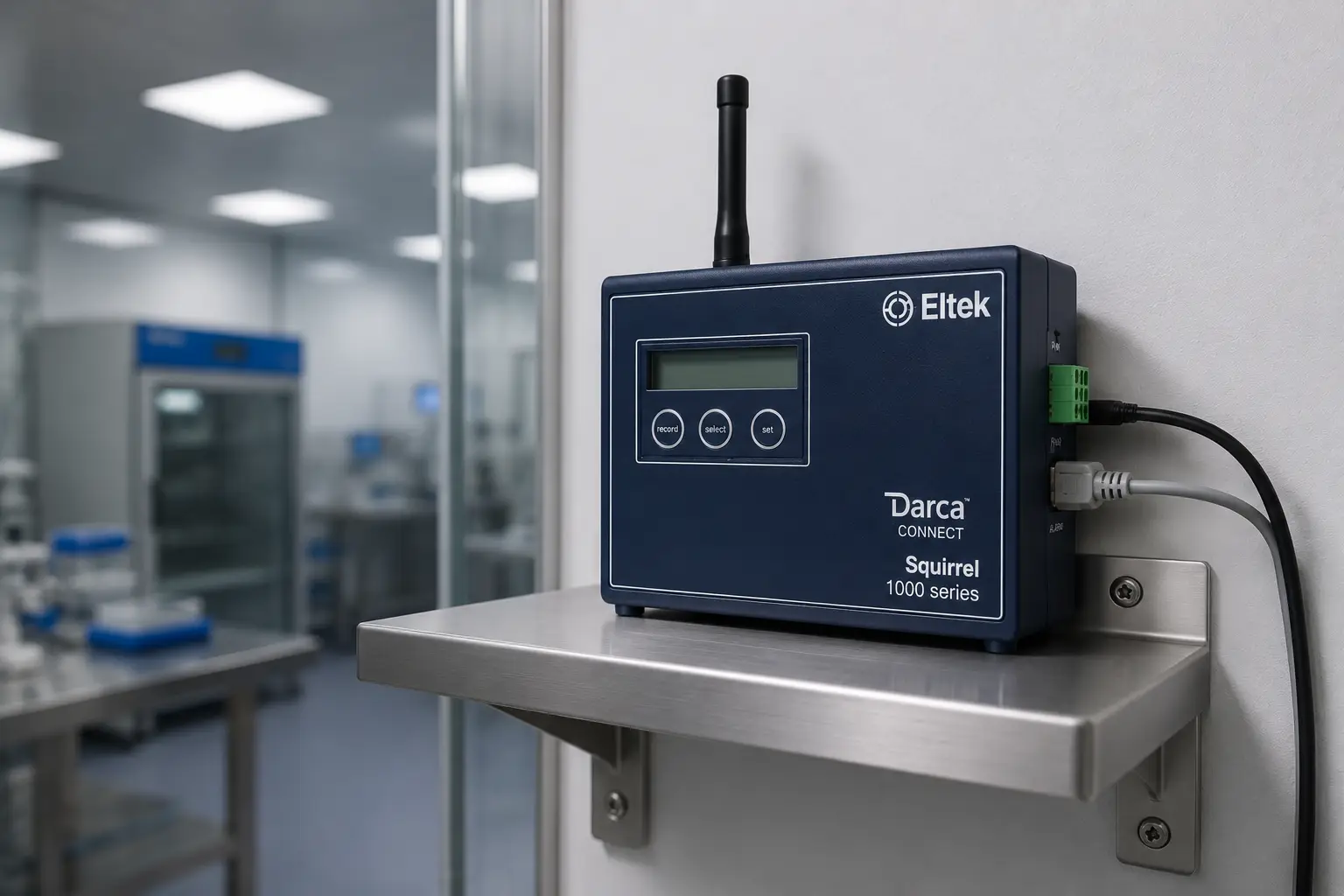
Darca Connect
The SRV450 receiver-logger and RP250-USB repeaters carry readings from temporary galleries, partitioned spaces and separate buildings to one collection point, with SMS450 alarms the moment an agreed threshold is breached.
Explore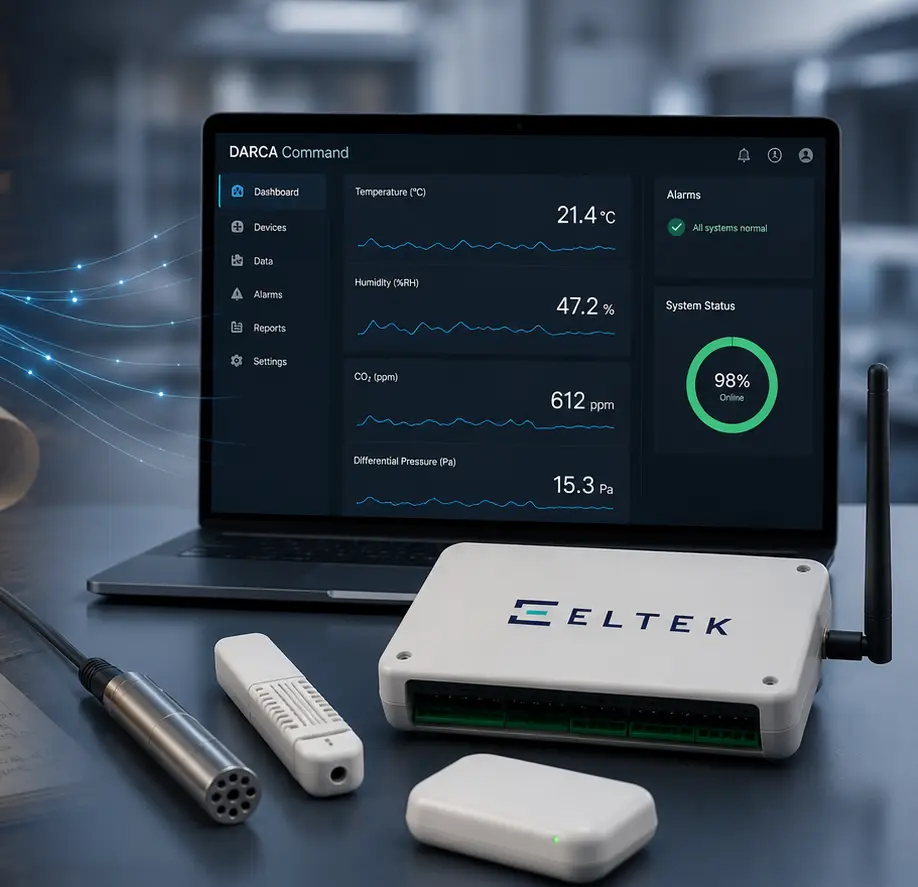
Darca Command
Trends, floor plans and timestamped, audit-ready reporting cut to one case, one gallery or one loan period, so registrars and conservators can evidence conditions to lenders, couriers and assessors from anywhere.
ExploreProven in a UK museum
Temperature, humidity and light monitored continuously, and Arts Council England reporting in one step
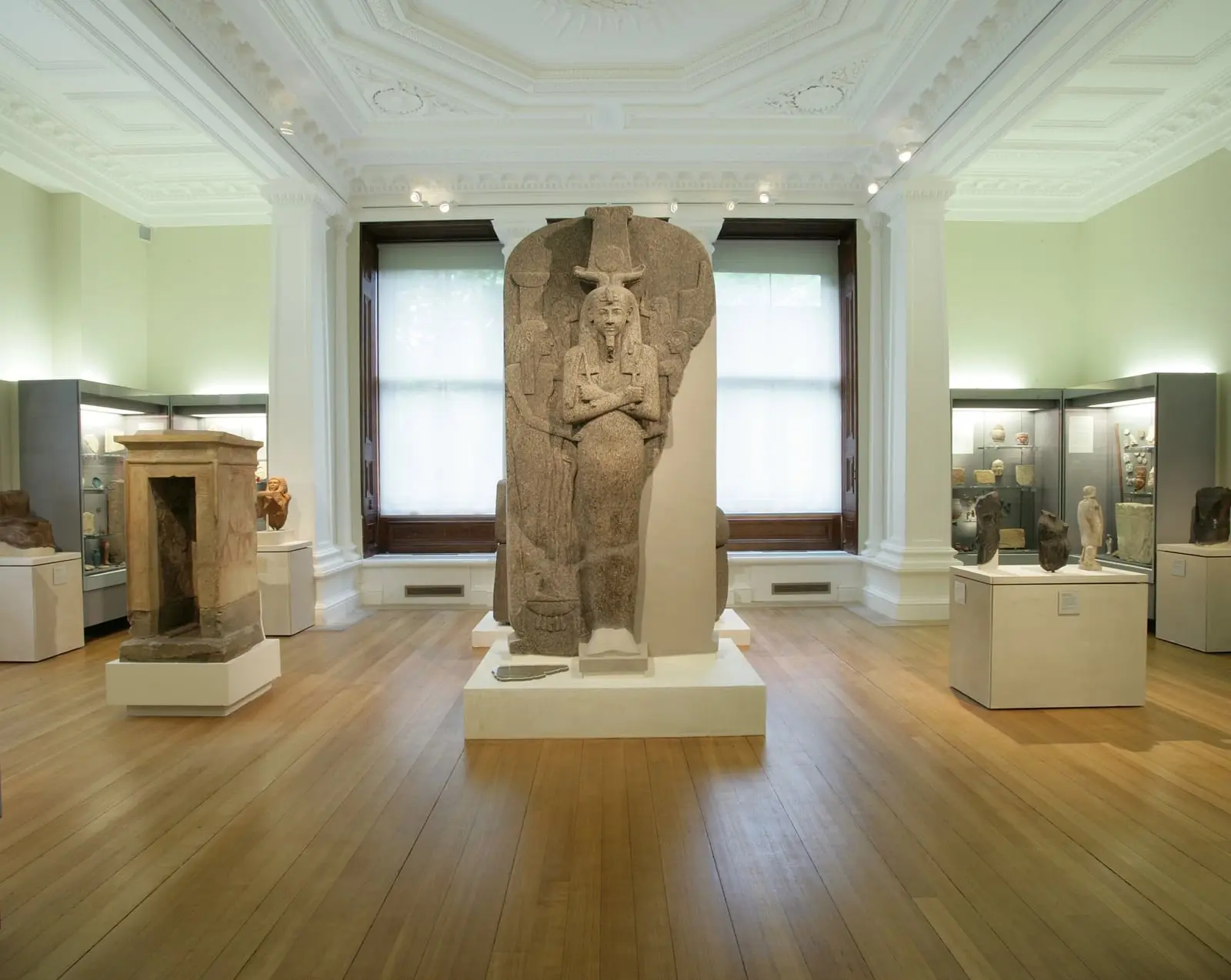
At the Fitzwilliam Museum in Cambridge, temperature, relative humidity and light are monitored continuously and checked several times a day, because all three can cause irreparable damage to the collections. The museum has significant reporting commitments, including to bodies such as Arts Council England, and exports the graphs, averages and readings it needs in one step rather than assembling them by hand, so conservators’ time goes to collections care rather than data collation. Exhibition design does not always leave room for instrumentation, so Eltek has also worked with the museum on smaller light, humidity and temperature monitors that sit inconspicuously inside display cases. The reach extends beyond the building: at an off-site store some distance away, two Eltek loggers revealed fluctuations the previous system could not show remotely, and on one occasion conditions looked as though they were about to drift high, the alert reached the conservator in time, and a mechanical fault was investigated and put right before the store fell out of acceptable conditions. The museum moved to Eltek in phases rather than all at once, keeping much of its existing hardware through the Eltek Bridge.
- Fitzwilliam Museum, Cambridge
- Temperature, humidity and light
- Arts Council England reporting
- Monitors inside display cases
Speak to an Eltek expert
Tell us about the galleries, the shows you are planning and the loans you take in or send out, and our UK engineers will map the transmitters, case monitors and receiver you need to evidence conditions.
Related reading
Archives and collections storage
The other side of the collection: continuous temperature and humidity monitoring for archive stores, off-site repositories and special collections.
Read moreMonitoring across zones, floors and buildings
How monitoring is designed across separate galleries, floors and buildings so nothing slips through the gaps and every space stays audit-ready.
Read moreThe Eltek technology behind it
Darca Collect, Connect and Command: the wired and wireless sensing, the hubs and alarms, and the software that ties a site together.
Read moreMore in Museums & Heritage
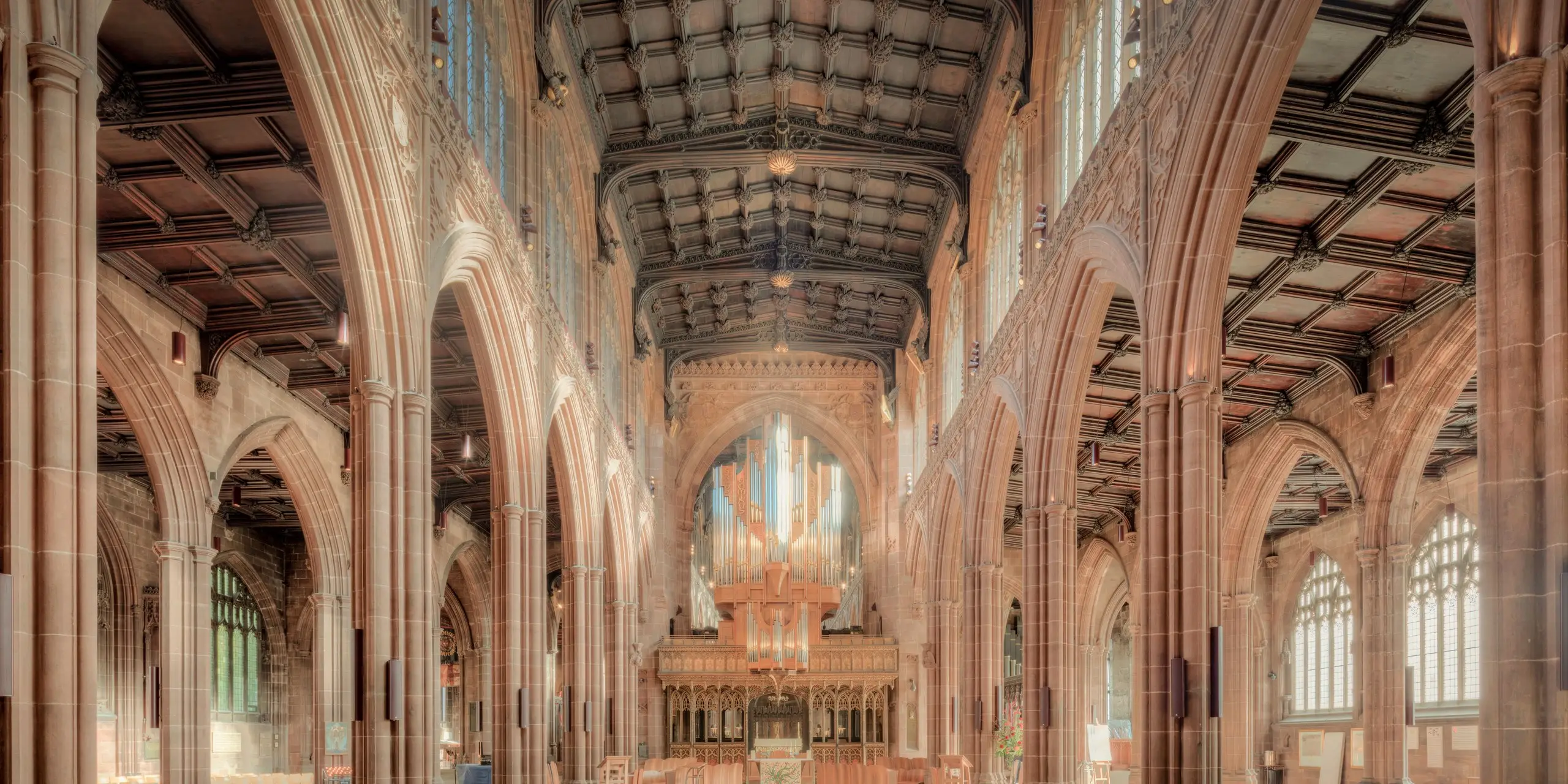
Historic Houses & Heritage Buildings
Cathedrals, country houses and historic estates. Battery wireless monitoring for buildings you cannot drill, cable or visit often.
Explore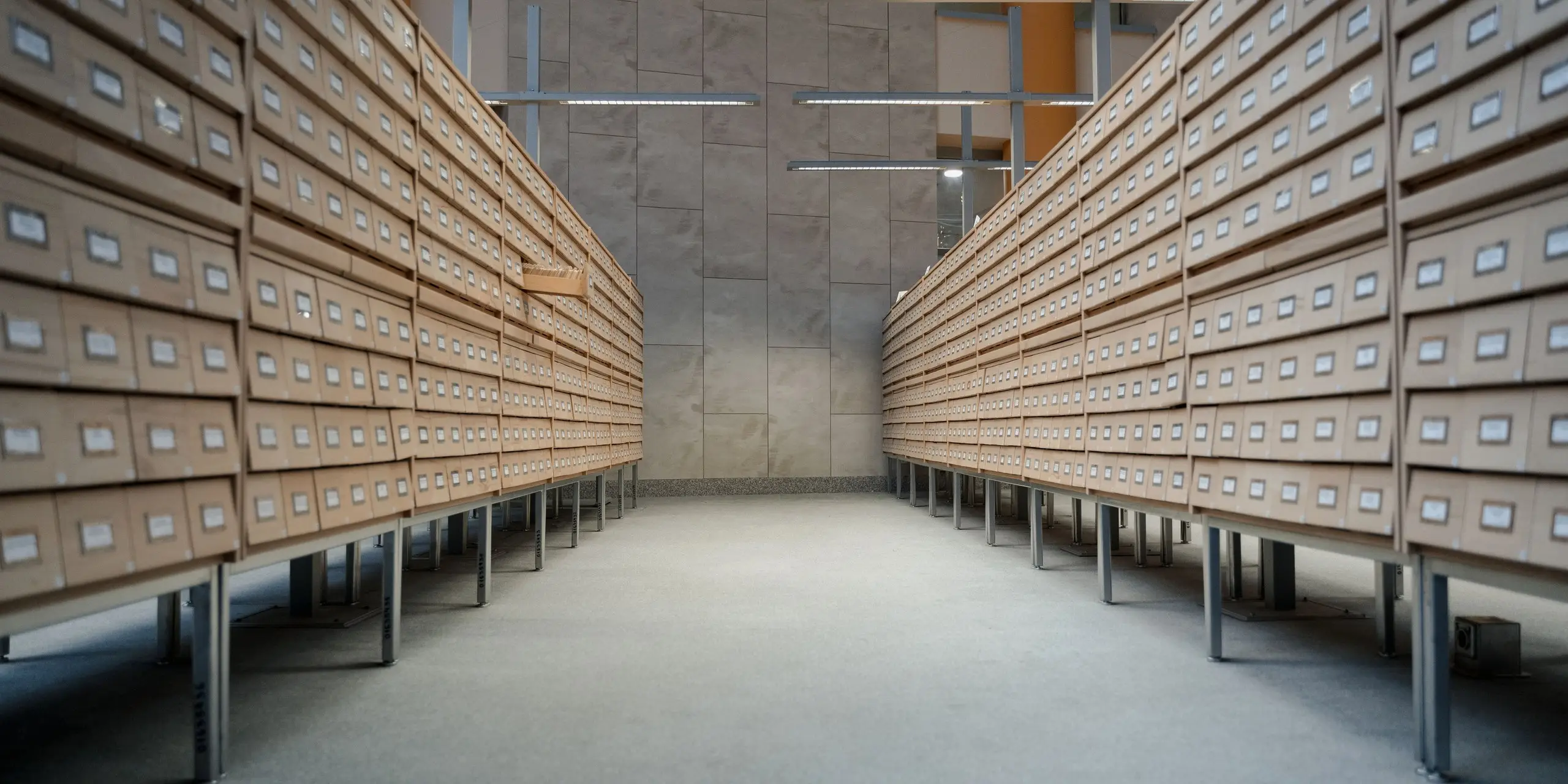
Archives & Collections Storage
Archive stores, off-site repositories and special collections. Continuous temperature and humidity monitoring for the conditions paper, photographs and rare books depend on.
Explore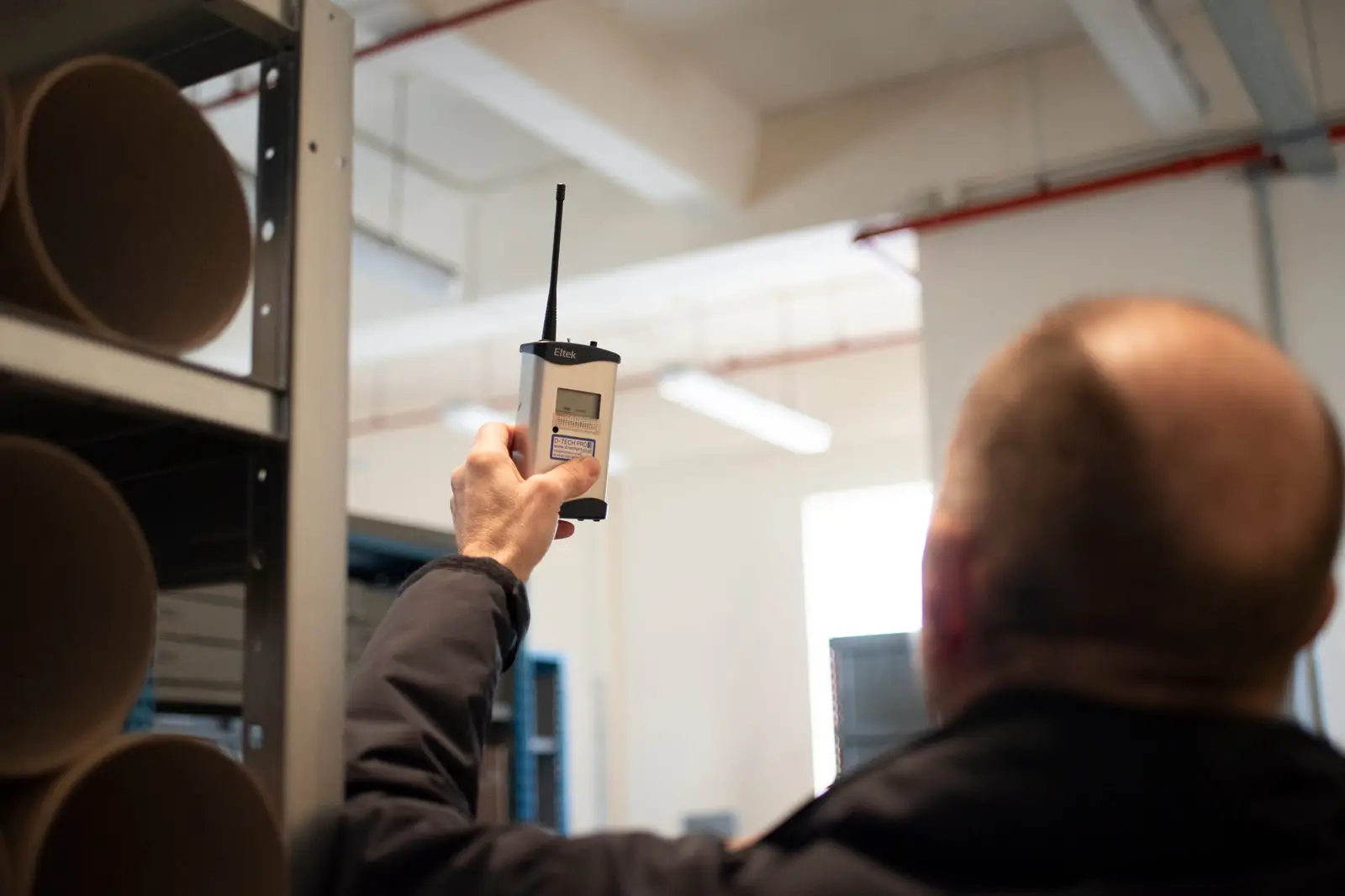
Humidity monitoring guide
Why relative humidity is the biggest environmental risk to collections, what to look for in a system, wired versus wireless RH sensing, and how Eltek monitors humidity and temperature continuously.
ExploreFrequently asked questions
Does the Government Indemnity Scheme set specific temperature and humidity limits for a loan?
The Government Indemnity Scheme does not set fixed limits. From October 2023, Arts Council England stopped requesting environmental charts with applications, expressly to allow risk-based decision-making. What the scheme requires is evidence: a facilities report, condition reports, and a continuous, time-stamped record showing the conditions agreed with the lender were held throughout the loan.
What does the Museum Accreditation Scheme require for collections care, and how does continuous monitoring support a return?
Accreditation requires a collections care and conservation policy and plan, and documentation of how conditions are maintained. A continuous environmental record, with temperature, humidity and light logged against each space, gives assessors the evidence that care is active and systematic, supporting both a first application and future accreditation returns.
How do we evidence conditions for an incoming loan that is only here for one show?
Put the measurement where the object is, and let the record start and stop with the loan. Battery-powered GenII wireless transmitters need no cabling, so they can go into a temporary gallery, onto a partition or beside the object, and CB70 and CB70X transmitters add visible and ultraviolet light alongside temperature and relative humidity. Because every reading is time-stamped and attributed to a sensor, Darca Command can draw a report for exactly the period the object was on display, in one step rather than by assembling graphs by hand.
Can you monitor inside a display case without the monitoring being visible?
Exhibition design does not always leave room for instrumentation. Eltek has worked with the Fitzwilliam Museum in Cambridge on smaller light, humidity and temperature monitors that sit inconspicuously inside display cases, so a case can be evidenced without the monitoring becoming part of the display. These were developed with the museum rather than taken off a shelf, so talk to our UK engineers about what a particular case and a particular object need.
The Bizot Green Protocol points towards wider environmental ranges. Does that mean we need less monitoring?
It means the opposite. The Bizot Green Protocol, issued by the Bizot Group and last refreshed in 2023, is voluntary guidance rather than a standard, and it moves museums towards wider and more flexible environmental parameters for loans and exhibitions and towards lower-carbon choices in how objects and people travel. Institutions are adopting it, from the UK national museums to a consortium of Los Angeles museums in 2026. But a wider range is not a looser obligation. It is a range you have agreed with a lender and now have to demonstrate you held, which takes better evidence rather than less of it.